-
WhatsApp +86 15116118247
-
Any Questions info@terrahats.com

Custom Straw Hat RFQ Checklist for Brand Buyers
Use this custom straw hat RFQ checklist to prepare product, artwork, quantity, label, packing and delivery details for a clearer supplier quote.

A custom straw hat RFQ should give each supplier enough information to quote the same product scope, identify open decisions and state what is included—or excluded. Otherwise, one supplier may quote a natural-fiber hat with a woven label and individual packing while another assumes paper braid, a printed patch and bulk packing. The prices may look comparable, but the products are not.
You do not need every detail finalized before requesting a first review. “Not sure yet” is useful when paired with a reference, intended use or supplier question. Separate each field into one of three states:
- Confirmed: Approved by the buyer and ready to quote.
- Proposed: A preferred direction that the supplier may review or refine.
- Pending: Not decided, awaiting evidence or marked “Not sure yet.”
This distinction exposes assumptions and makes revised quotations easier to audit.
Table of Contents
Minimum Viable Brief vs. Complete RFQ
A minimum viable brief is enough to begin a feasibility discussion. A complete RFQ is designed for comparable commercial quotations and a controlled sampling process.
| RFQ area | Minimum viable brief | Complete RFQ |
|---|---|---|
| Project | Brand, product use and target market | Project name, sales channel, customer profile, season and SKU plan |
| Product | Reference image or preferred hat family | Dimensions, material, weave, construction, color, trims and tolerances |
| Sizing | Adult, youth or “Not sure yet” | Head-circumference targets, size breakdown, measurement method and fit notes |
| Branding | Logo file or visual reference | Artwork version, dimensions, colors, method, placement and backing details |
| Quantity | Estimated total or range | Quantity by SKU, color and size, plus reorder assumptions |
| Labels | “Private label required” or “Not sure yet” | Brand, size, composition, care, country-of-origin and tracking-label requirements |
| Packing | Bulk, individual or “Please propose” | Unit pack, supports, carton arrangement, marks and packed dimensions |
| Delivery | Destination country and required in-hand date | Full destination, delivery point, Incoterms® request and milestone dates |
| Compliance | Market, age group and intended claims | Applicable rules, test standards, document owners and acceptance criteria |
| Sampling | Physical sample required or “Please advise” | Sample stages, review criteria, approvers and change-control rules |
| Commercial | Request for itemized quotation | Currency, price basis, tooling, samples, testing, freight, validity and payment structure |
If development is early, send the minimum viable brief and ask the supplier to separate assumptions and questions from confirmed specifications.
Prefer to work in a spreadsheet?
Download the RFQ & Tech Pack Starter and complete only the fields you know. Mark the rest as proposed or pending.
1. Define the Product Direction
Start with the hat’s commercial role: retail, private label, staff uniform, hospitality, event, promotional program or another use. Add the target customer, season, sales region and positioning.
Then identify the closest hat family or attach a reference image. The category is a starting point, not a complete specification.
A category name is only a starting point. Add reference views and specify:
- Crown shape, height, taper, crease or pinch
- Brim width at defined measurement points
- Brim angle, curve or flatness
- Edge treatment, binding or reinforcement
- Chin cord, sweatband, lining or adjustment feature
- Intended hand feel and visible finish
- Packable, structured or “Not sure yet—please propose”
Label each reference by purpose: “Image A for crown shape, Image B for brim proportion and Image C for color only.”
Measure crown height and brim width from agreed landmarks. Record internal circumference along the inside of the sweatband rather than estimating fit from an external dimension.
Common style references
Use these pages to identify the nearest silhouette before completing the RFQ. The selected page does not replace measurements or sample approval.
- Lifeguard straw hats — wide-brim and chin-cord directions
- Straw fedora hats — pinched or creased crown directions
- Straw boater hats — flat crown and brim directions
- Straw bucket hats — compact downward-brim directions
2. Specify Material and Construction
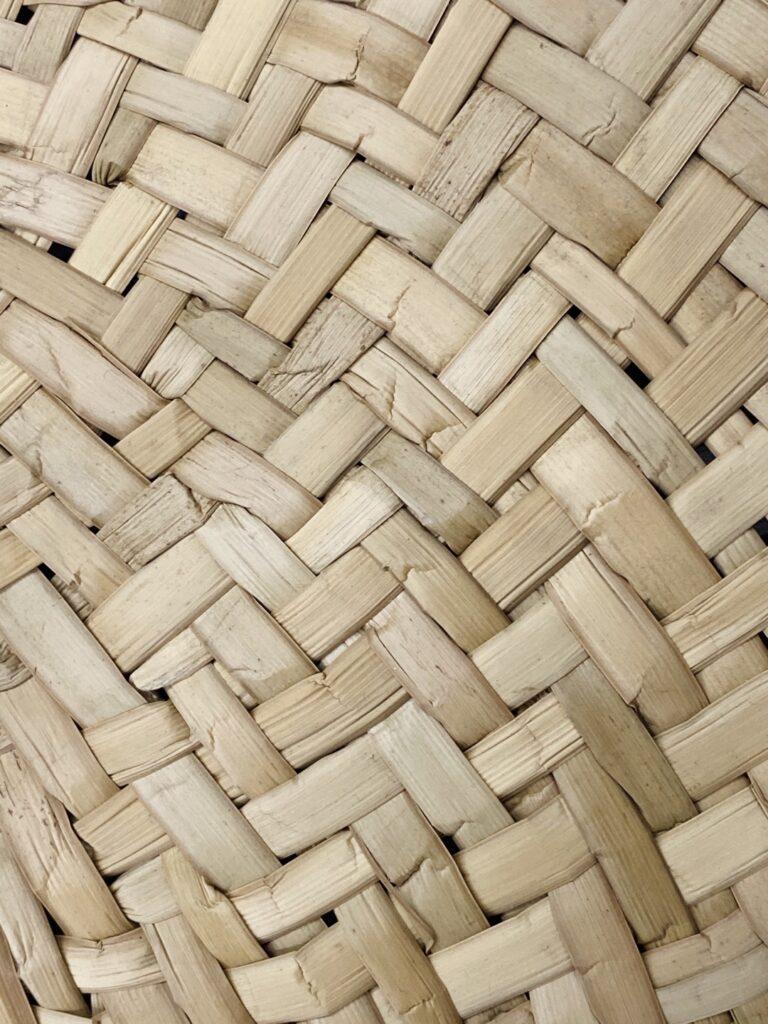
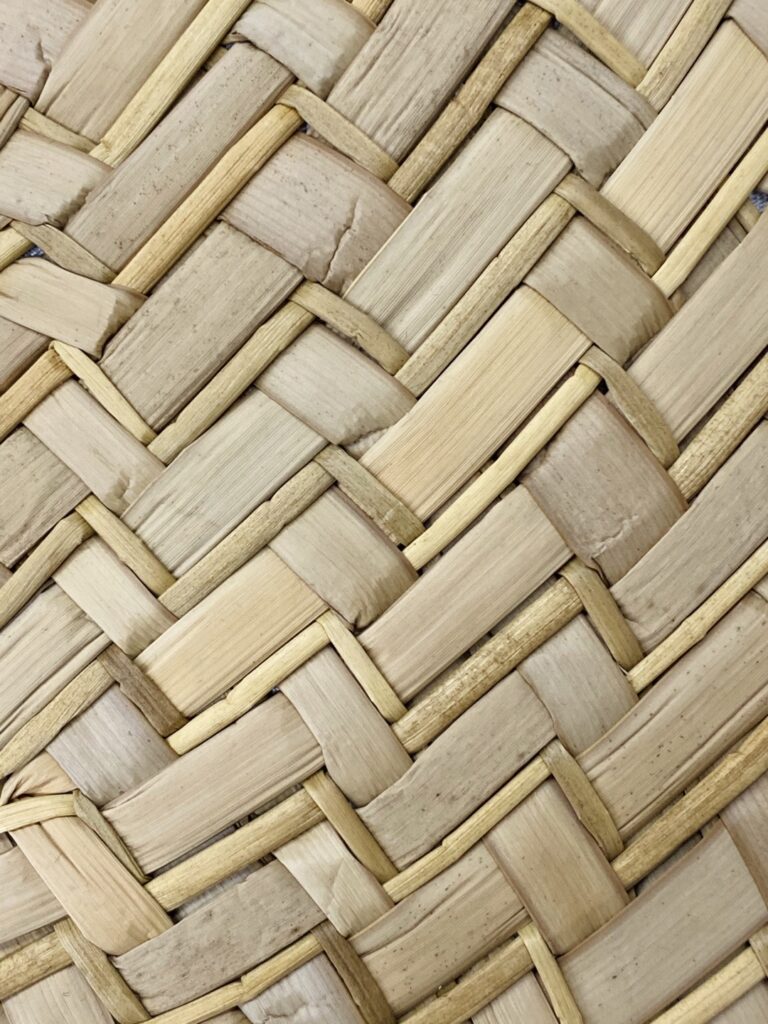
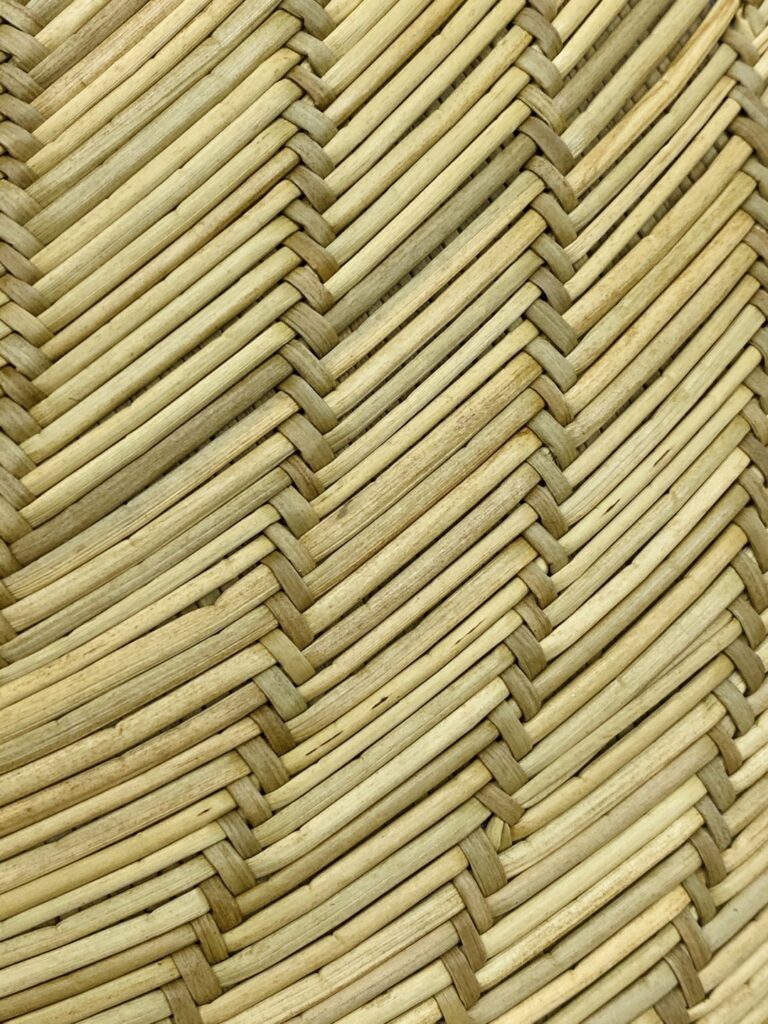
“Straw” is not a complete material description. It may refer to different plant fibers, paper-based braids, synthetic materials, mixed constructions or a visual style.
If the material is confirmed, state its commercial name and composition. If not, describe the required appearance and performance direction, then request options with declared composition.
Record:
- Material or composition
- Braid, weave or body construction
- Open, close or mixed-weave direction
- Color reference and permitted natural variation
- Stiffening or forming direction, if known
- Crown and brim reinforcement
- Edge construction
- Sweatband, lining and trims
- Finished-weight target, only if relevant and measurable
- Reference sample or approved material swatch
Do not infer stiffness, packability, airflow or shape recovery from a fiber name. Review those characteristics on the actual material-and-construction sample.
If you are uncertain, write: “Material pending. Please propose options that can achieve the referenced shape, surface and branding method, with composition clearly declared.”

3. State the Sizing and Fit Requirements
Even “one size fits most” needs a measurable fit target. Identify the intended wearer and size system.
Useful sizing inputs include:
- Target head circumference
- Finished internal circumference
- Size names and size breakdown
- Crown depth
- Fit preference: close, regular or relaxed
- Sweatband thickness
- Internal adjustment range, when applicable
- Chin-cord or rear-adjustment requirements
- Measurement landmarks and method
ISO 8559-1 provides general anthropometric definitions; it is not a universal hat-sizing specification. Buyer and supplier must agree on the hat measurements and method.
If sizing is pending, identify the wearer—such as “adult unisex retail” or “youth team program”—and request a proposed size plan.
4. Make Artwork and Logo Instructions Production-Ready
Attach artwork, but keep it separate from the application specification, which defines how it should appear on the hat.
For each branding location, provide:
- Artwork filename and version
- Vector file when available
- Logo width and height
- Color references
- Application method
- Placement measured from agreed landmarks
- Orientation
- Backing, border or attachment requirements
- Acceptable simplification, if any
- Reference photo or mockup
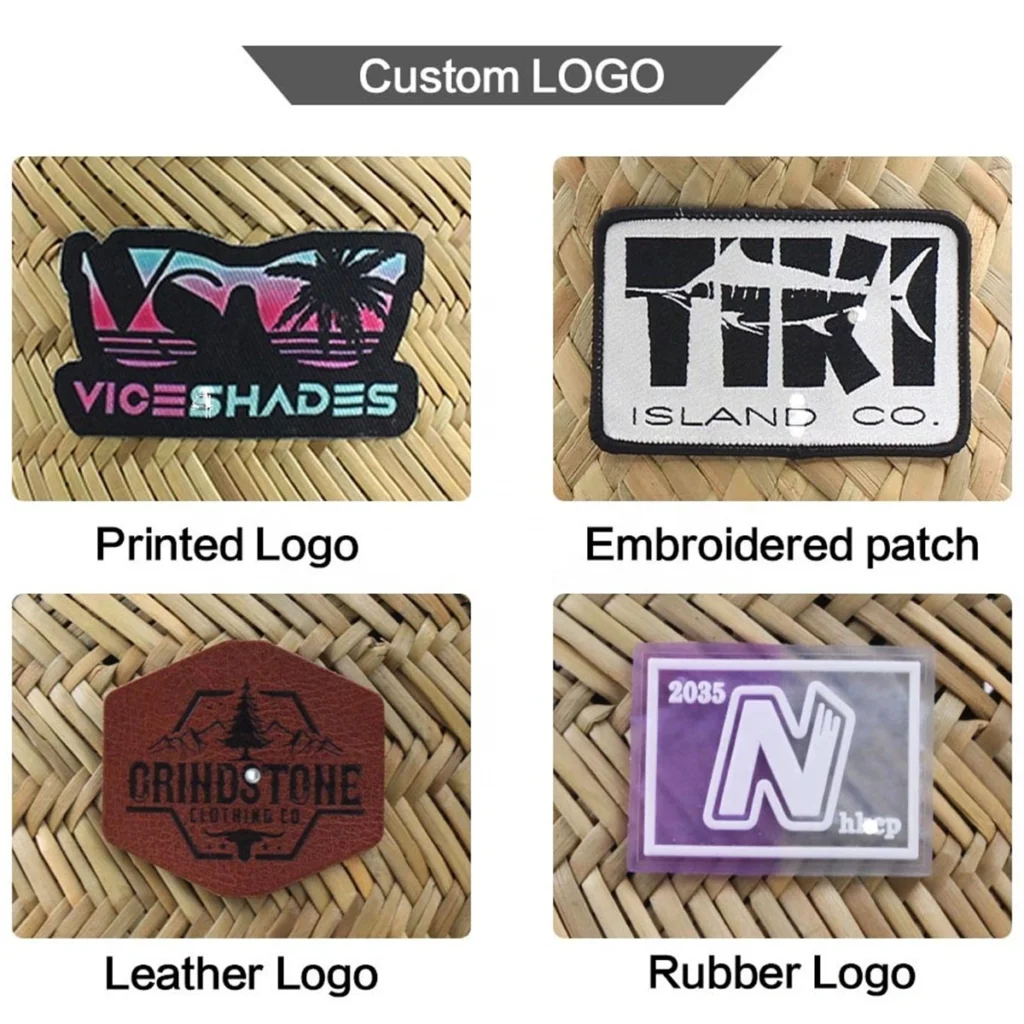
Possible branding routes include a patch, woven label, printed label, band treatment, hangtag, under-brim print or another sampled method. Explore custom straw hats with a logo for common placement directions.
A mockup can confirm scale and layout, but not how artwork interacts with weave openings, surface variation, crown curvature or reinforcement. Include a decorated physical sample in the approval plan.
When the method is open, say: “Logo position confirmed; application method pending supplier recommendation and decorated-sample approval.”
5. Break Quantities Down by SKU
A project total does not reveal the assortment. Give quantities by configuration because material, color, size and decoration changes may affect pricing and production planning.
Use a SKU table:
| SKU | Style | Material/color | Size | Logo version | Quantity | Status |
|---|---|---|---|---|---|---|
| SH-01-NAT-M | Fedora direction | Natural / pending approval | M | Main logo | [Qty] | Proposed |
| SH-01-NAT-L | Fedora direction | Natural / pending approval | L | Main logo | [Qty] | Proposed |
| SH-02-BLK-OS | Wide-brim direction | Black | One size | Tonal logo | [Qty] | Confirmed |
Also state:
- Total estimated order quantity
- Whether quantities are firm, forecast or range estimates
- Whether mixed sizes or colors may share a style
- Expected reorder pattern, if known
- Whether spare labels, packaging or replacement components are requested
If “1,000 hats” means ten SKU combinations, quote the quantity for each configuration.
6. Define Labels and Packaging
Labels and packing affect sample scope, compliance review, presentation, carton volume and freight comparison. Include them from the first RFQ.
Labels and private-label components
List every required component:
- Brand label
- Size label
- Composition label
- Care information
- Country-of-origin marking
- Tracking information where applicable
- Hangtag
- Barcode, SKU or retail price label
- Packaging warnings or market-specific text
For a coordinated label and trim program, review private-label straw hat options.
Mark copy and translations as confirmed, proposed or pending buyer review. The buyer should confirm market-specific wording with a qualified adviser where needed; a supplier should not infer it from a logo file.
Unit and master packing
Define or request a proposal for:
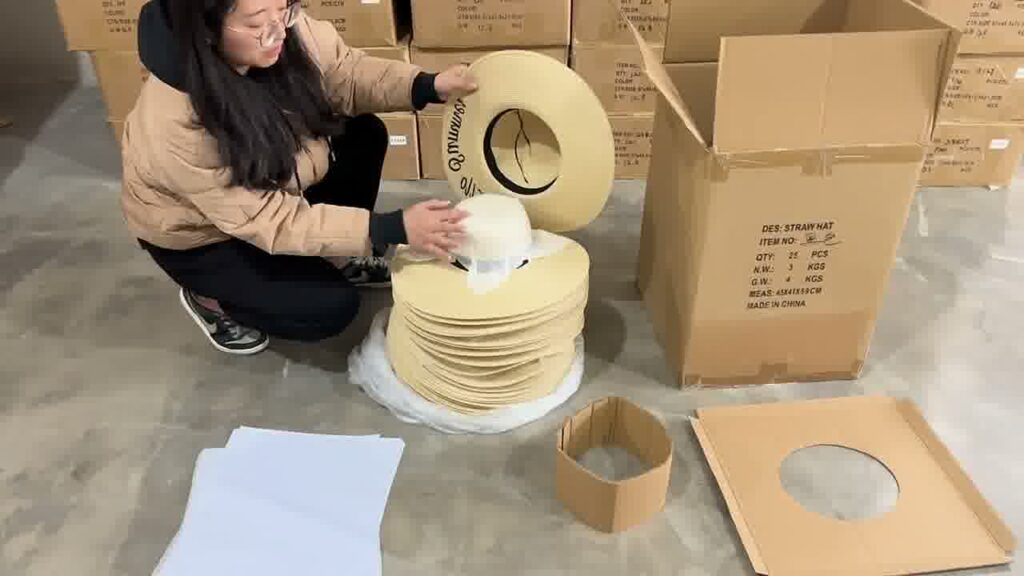
- Individual polybag, paper sleeve, box or bulk pack
- Tissue, crown support, brim separator or other protection
- Folding, rolling or nesting method, only when validated for the SKU
- Units per inner and master carton
- Color and size assortment per carton
- Carton dimensions and gross weight
- Carton marks
- Barcode and shipping-label position
- Pallet or warehouse requirements
- Post-unpacking acceptance condition
Dimensional weight may affect freight charges when a shipment occupies more space relative to its actual weight. Request packed dimensions and weights using the quoted pack-out rather than comparing unit prices without packaging data.
Compare freight exposure per hat—not carton size alone.
Ask each supplier for the packed carton length, width, height, gross weight and hats per carton. Calculateshipping volume per hat = carton volume ÷ hats per carton, then apply the current carrier or freight quotation. A rigid, non-nestable shape can carry a higher freight cost per hat even when its unit price is lower. Do not reuse a dimensional-weight divisor or freight rate from another route.
For transit-sensitive shapes, provide the distribution route and ask whether a packaging test plan is needed. Any ISTA procedure and acceptance criteria must be selected for the actual product and route.
7. Give the Destination and Required In-Hand Date
“Ship in September” is not a delivery requirement. State the destination and required in-hand date.
Include:
- Destination country
- Postal code and delivery city
- Port, airport, warehouse or final-delivery point
- Required in-hand date
- Launch, event or retail date
- Receiving restrictions or appointment rules
- Preferred shipping method, if known
- Requested Incoterms® rule and named place, if known
- “Not sure yet—please quote alternatives” where appropriate
State the named place and Incoterms® version. Terms such as “FOB,” “EXW” or “DDP” without a location are incomplete. Incoterms® allocate defined delivery responsibilities, costs and risks; they do not set payment, title, product quality or remedies and do not replace the sales contract or schedule.
Ask the quotation to distinguish factory completion, shipment handover and required delivery. This prevents a production date from being mistaken for the buyer’s in-hand date.
8. Make Compliance and Testing Destination-Specific
“Standard certification required” is not a usable compliance brief. Applicable obligations depend on the destination, product, intended user, materials, decoration, labeling, claims and the parties’ supply-chain roles.
Use a two-level review so an early RFQ does not become a full compliance audit:
- Core RFQ screening: For every project, state the destination market, intended age group, known materials, sales channel, proposed labels and intended claims. The purpose is to identify possible triggers, not to declare the product compliant.
- Triggered review: Add market-specific tests and documents only when the final product, age group, retailer, material, component or claim requires them—for example, a children’s product assessment, substantiation for a UPF claim or documentation for a regulated substance.
At RFQ stage, identify:
- Destination market
- Intended age group
- Product classification
- Material and decoration scope
- Required labeling
- Intended marketing claims
- Buyer-nominated standards or tests
- Required reports, declarations or certificates
- Responsible party for testing and documentation
- Approval deadline
For products intended primarily for U.S. children aged 12 or younger, decoration and accessible components may affect CPSC testing, certification and tracking-information obligations. Assess the finished SKU rather than relying on documentation for an undecorated blank.
For EU sales, review the General Product Safety Regulation and any applicable textile-composition rules against the final product and supply-chain role. Do not assume a generic “CE” request applies to every hat, or that one certificate establishes compliance for every SKU.
If UV protection will be marketed, state the exact claim and proposed test route. Brim width or a close-looking weave does not establish a UPF rating. AATCC TM183 measures UV transmission through fabrics and ASTM D6603 addresses labeling of UV-protective textiles, but suitability must be confirmed for the finished product and intended claim.
Do not approve broad environmental claims such as “eco-friendly,” “green” or “sustainable” without specific substantiation.
When requirements are unknown, write: “Compliance scope pending. Product is intended for [market] and [age group]. Supplier to identify available material and test documentation; buyer to confirm final legal requirements.”
9. Define the Sampling and Approval Process
Sampling should resolve named questions, not simply produce “a sample.” Use stages only where they add a distinct approval decision:
- Material or color reference
- Shape and construction sample
- Decorated sample
- Labels and packaging review
- Final pre-production reference
For each stage, identify the review scope, approver and retained evidence.
A useful approval record includes:
- Sample ID and date
- Specification version
- Artwork version
- Measurements
- Photos from agreed views
- Color and material reference
- Approved deviations
- Open issues
- Approver and approval date
- Changes that require another sample
Keep one consolidated comment sheet and versioned approval record.
The TerraHats sample policy can help structure a project-specific review, but sampling scope, cost and timing should be confirmed in the quotation.
10. Request an Itemized Commercial Quote
Ask every supplier to show the same commercial fields; do not prefill a universal MOQ, price or lead time:
- Quoted product and specification version
- Currency
- Quantity and unit price by SKU
- Price basis and named place
- Incoterms® rule and version
- Material, decoration and packaging included
- Sample charges
- Artwork, mold, tooling or setup charges
- Label and packaging charges
- Testing or inspection charges
- Freight and insurance status
- Duties and taxes status
- Payment structure
- Quote validity
- Production and delivery assumptions
- Exclusions
- Open technical questions
Do not compare headline unit prices until the scope is normalized.
Normalize Supplier Quotations Before Choosing
| Comparison field | Supplier A | Supplier B | Supplier C |
|---|---|---|---|
| Specification version quoted | |||
| Quantity by SKU | |||
| Material and construction | |||
| Logo method and locations | |||
| Labels included | |||
| Unit packing included | |||
| Master-carton basis | |||
| Incoterms® rule and named place | |||
| Sample/setup/tooling charges | |||
| Testing/inspection charges | |||
| Freight, duty and tax status | |||
| Required approvals | |||
| Schedule assumptions | |||
| Exclusions and pending items |
If one supplier proposes a different material, packing method or logo application, treat it as an alternative offer—not a direct price comparison. Keep the requested base scope and supplier alternatives in separate columns.
Copy-and-Paste Custom Straw Hat RFQ Template
Subject: RFQ – Custom Straw Hat Project – [Brand / Project Name]

1. PROJECT
Brand/company:
Project name:
Intended use:
Target customer:
Destination market:
Target season or launch:
Status: Confirmed / Proposed / Pending

2. PRODUCT DIRECTION
Hat style:
Reference images or links:
Crown shape and dimensions:
Brim shape and dimensions:
Edge treatment:
Functional details:
Other construction notes:
Status:

3. MATERIAL AND COLOR
Requested material/composition:
Weave or braid direction:
Color reference:
Acceptable natural variation:
Stiffness/finish direction:
Material documentation required:
Status:

4. SIZING
Adult/youth/children:
Target head circumference:
Size range:
Quantity by size:
Adjustment requirements:
Measurement method:
Status:

5. ARTWORK AND BRANDING
Artwork filename/version:
Logo method:
Finished logo dimensions:
Placement:
Color references:
Additional branding locations:
Decorated sample required:
Status:

6. QUANTITIES
SKU table attached: Yes / No
Estimated total:
Quantity by style/color/size:
New order or reorder:
Forecast or firm quantity:
Status:

7. LABELS
Brand label:
Size label:
Composition/care label:
Country-of-origin marking:
Tracking information:
Hangtag/barcode/SKU label:
Copy and translations:
Status:

8. PACKAGING
Unit pack:
Shape-protection components:
Units per carton:
Carton assortment:
Carton marks:
Packed dimensions and weights required:
Transit test requirement:
Status:

9. DELIVERY
Destination country:
City/postal code:
Port/airport/warehouse:
Required in-hand date:
Launch/event date:
Preferred shipping method:
Requested Incoterms® rule, named place and version:
Status:

10. COMPLIANCE AND TESTING
Intended age group:
Applicable market requirements:
Required test standards:
Marketing claims requiring evidence:
Documents required:
Testing/document owner:
Status:

11. SAMPLING AND APPROVAL
Material/color review:
Shape sample:
Decorated sample:
Label/packaging review:
Approver:
Approval criteria:
Status:

12. COMMERCIAL QUOTE REQUEST
Please state:
- Currency and price by SKU/quantity
- Included material, decoration, labels and packing
- Sample, setup, tooling and testing charges
- Incoterms® rule, version and named place
- Freight, duty and tax status
- Payment structure and quote validity
- Schedule assumptions
- Exclusions
- Supplier-proposed alternatives

Attachments:
[Artwork]
[Reference images]
[SKU quantity table]
[Measurement sheet]
[Label copy]
[Packaging specification]
[Compliance/testing brief]

Open questions / “Not sure yet” items:
1.
2.
3.
Turn the RFQ Into a Controlled Buying Record
A useful RFQ makes decision status visible. Confirm what you know, label preferred directions as proposed and keep unresolved questions pending. Require every quotation and sample to reference the same specification version. That creates a cleaner path to comparable quotations, controlled samples and a production-ready approval record.
Prepare your supplier-ready brief.
Download the RFQ & Tech Pack Starter, then contact TerraHats to share your product direction, artwork, SKU quantities, destination and required in-hand date.
Sources and Further Reading
- ISO 8559-1 — Anthropometric definitions for body measurement
- U.S. CPSC — Promotional Products Business Guidance
- U.S. CPSC — Children’s Product Certificate
- U.S. CPSC — Tracking Label Requirements
- European Union — General Product Safety Regulation
- European Commission — Textile Labeling Requirements
- International Chamber of Commerce — Incoterms® 2020
- ISTA — Packaged-Product Test Procedures
- AATCC TM183 — Transmittance or Blocking of UV Radiation Through Fabric
- ASTM D6603 — Labeling of UV-Protective Textiles
- U.S. FTC — Environmental Claims: Summary of the Green Guides