-
WhatsApp +86 15116118247
-
Any Questions info@terrahats.com
Why Brands Choose OEM or ODM Hat Manufacturing
Understand why brands choose OEM or ODM hat manufacturing and compare development inputs, sampling work, control and repeat-order needs.

Choose the route that matches your starting point—not the label that sounds more advanced.
This guide is for brand owners, product developers, merchandisers and procurement teams deciding how to brief a hat manufacturer. If your brand already has a defined hat design, reference sample or detailed specification, an OEM-oriented route is usually the better starting point. If you want to adapt an existing or supplier-proposed style, an ODM-oriented route may fit better. Neither model is automatically cheaper, faster, higher quality or exclusive.
The framework applies across straw hats, bucket hats, caps and other headwear. Product-specific notes about natural variation apply only to natural straw and similar woven materials—not to every hat category.
For procurement teams, the practical choice comes down to five dimensions:
- Starting point: existing hat direction or buyer-defined product.
- Buyer input: selected adaptations or detailed construction requirements.
- Development burden: the number of variables, samples and approvals involved.
- Production control: the records used to approve and repeat the product.
- Commercial and IP risk: what must be confirmed in the quotation and agreement.
Table of Contents
Hat OEM vs ODM: A Procurement Decision Table
| Factor | ODM adaptation | OEM development |
|---|---|---|
| Starting point | Existing or supplier-proposed hat direction | Buyer-defined concept, reference sample or specification |
| Buyer inputs | Style choice, colors, logo, trims, labels, packaging and target use | Dimensions, materials, construction, artwork, trims, labels, packaging and any performance requirements |
| Sampling tendency | May narrow early design decisions; physical sampling may still be needed | Usually involves more variables, review points and possible revisions |
| Control records | Base-style reference plus an approved list of adaptations | Approved sample, version-controlled specification, artwork and change log |
| Best fit | Brands that can work from an established product direction | Brands that need a defined fit, silhouette, construction or material combination |
| Main risk | Assuming an adapted style is exclusive or fully controlled by the brand | Leaving design intent undocumented or changing too many variables at once |
The table is a working framework, not a universal definition. Many hat projects combine ODM adaptation and OEM development.
Confirm These Points Before You Choose
Whichever route you use, confirm:
- Which features are existing, adapted or newly developed
- Which specifications and files each party must provide
- What the mockup and physical sample will approve
- Who owns or may reuse artwork, design elements and production files
- Which approved sample, specification and change log will control production and repeat orders
Not sure which route matches your brief? Share the reference style, required changes and target use before sampling begins.
Discuss the Right Development Route
A Quick OEM-or-ODM Routing Check
flowchart TD
    A{"Does an existing hat direction fit the project?"}
    A -->|No| B["Develop against a brand-specific specification"]
    B --> C["OEM-oriented development"]
    A -->|Yes| D{"Are the changes mainly branding, color, trims, labels or packaging?"}
    D -->|Yes| E["ODM-oriented adaptation"]
    D -->|No| F{"Will the base construction remain while key features change?"}
    F -->|Yes| G["Hybrid route"]
    F -->|No| C
Use this as a briefing aid, not as a universal industry definition. The supplier’s quotation and development agreement should describe the actual work.
What OEM and ODM Mean in a Hat Project
In this article, OEM hat manufacturing means a brand-spec-led route: the buyer supplies a defined design, reference product or detailed requirements, and the manufacturer develops or produces the hat around those inputs.
ODM hat manufacturing means a more supplier-led design route: the buyer starts with an existing, supplier-developed or supplier-proposed direction and adapts selected elements for the brand.
Usage varies by supplier, industry and market. JETRO provides a useful example of how OEM production is discussed in a Japanese trade context: manufacturing products sold under another party’s brand or requirements. It should not be treated as a universal legal definition.
A historical European Commission merger decision also used ODM in association with design services and showed how OEM/ODM boundaries can blur in commercial markets. It does not define hat OEM or determine the scope of a present-day hat contract.
The quotation, specification and agreement must therefore state what each party will supply, develop, approve and retain. OEM does not automatically give the buyer ownership of every design element, and ODM does not automatically give the supplier ownership of every project result.
Why Brands Choose ODM Hat Manufacturing
They want an established product direction
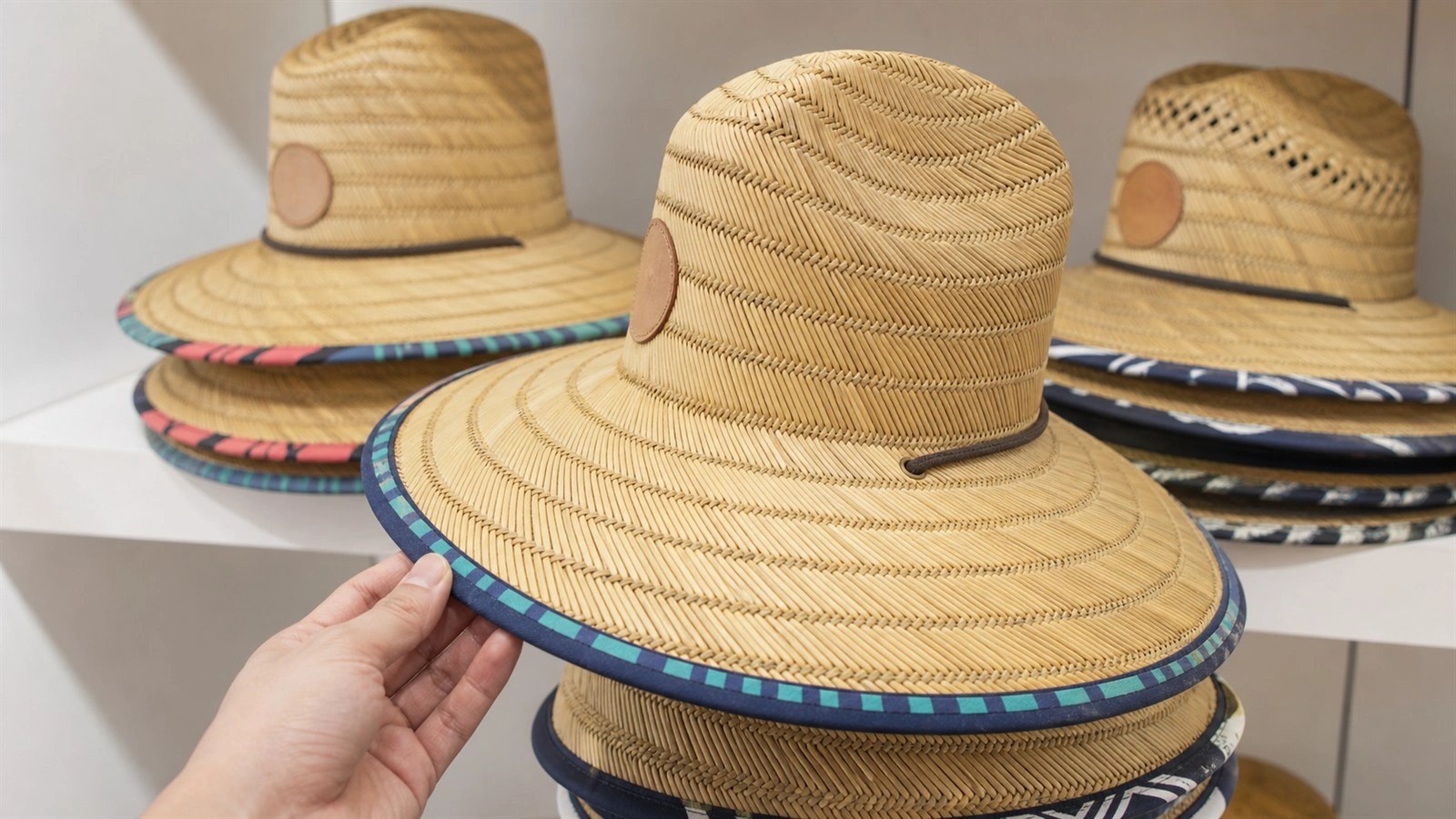
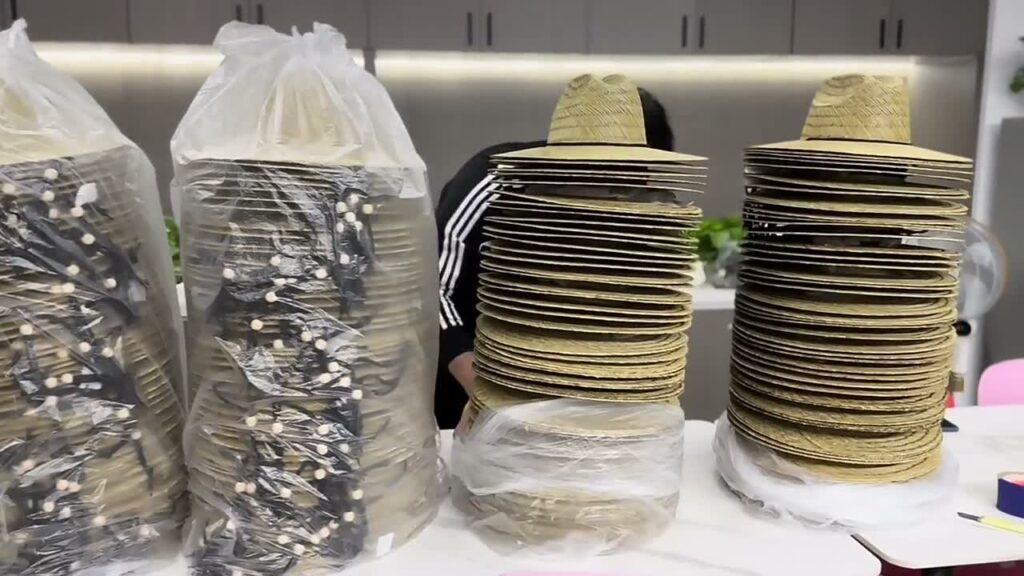
A buyer may know it wants a straw lifeguard hat, bucket hat, cotton twill cap or mesh-back trucker hat without having a complete technical specification. An existing or supplier-proposed style gives procurement, merchandising and design teams a concrete starting point.
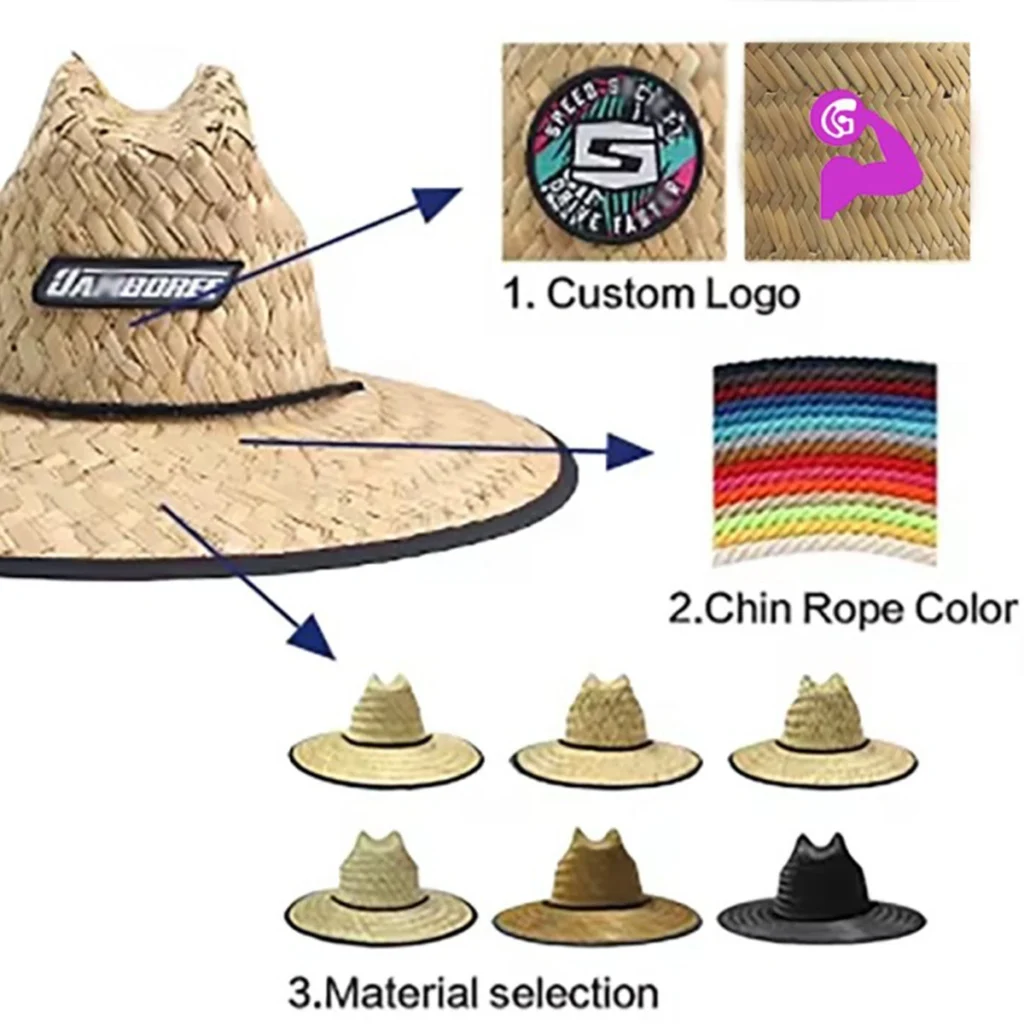
The buyer still needs to define the final configuration. Relevant decisions may include the base style, material, color, dimensions, decoration, closures or chin cords, sweatband, labels, hangtags and packaging. An established direction reduces open questions; it does not remove the need for approval records.
They want to focus on visible brand elements
For some programs, the main differentiation comes from a patch, embroidery, under-brim print, woven label set or retail packaging rather than a new hat construction. ODM adaptation can concentrate development work on those visible brand touchpoints.
This can suit promotional, staff and some private-label hat projects. Private label describes branding and presentation, however; it is not a promise of design ownership or exclusivity.
They need a practical basis for internal approval
A base style can make proportion, placement and intended use easier to discuss than drawings alone. The team can review a known direction, identify required changes and decide whether those changes justify further development.
“Use this style with our logo” is not a complete production instruction. The approved record should still identify the material, color, dimensions, decoration size and position, trims, labels and packaging.
Why Brands Choose OEM Hat Manufacturing
They need greater control over the product definition
An OEM-oriented route is appropriate when the hat must follow buyer-defined requirements such as crown height, brim width, head circumference, panel layout, reinforcement, material combination or trim arrangement.
More buyer input can improve control over the documented result, but only when the requirements are clear and manufacturable. Calling an incomplete brief “OEM” does not make it production-ready.
They need a repeatable product reference
Repeat orders depend on shared records. A verbal description or old quotation may not capture revisions made during development.
Where applicable, the production reference should combine:
- The approved physical sample.
- A version-controlled specification.
- Approved artwork and placement details.
- Confirmed material, trim, label and packaging information.
- A dated change log.
The sample shows the reviewed physical result. The specification records what the parties agreed to reproduce. Neither should replace the other.
They must coordinate more product variables
Changes to the crown, brim, fit, material, decoration and packaging can affect one another. A patch that suits a structured cotton cap may not suit the curve or weave of a straw hat. An under-brim print may change how the edge, seams or binding must be finished.
An OEM-oriented process gives these interactions more attention, but it may also require additional checkpoints. Buyers should identify which features are essential, which are adjustable and where a supplier-recommended standard is acceptable.
Development Inputs to Prepare
A first brief does not need to answer every question, but it should make the intended product and open decisions visible. Include what is available:
- Hat style, sketch, tech pack, reference image or physical sample
- Target wearer and intended use
- Preferred material and color direction
- Head circumference, crown depth, brim width and other critical dimensions
- Logo artwork and preferred decoration method
- Decoration size, position and color
- Closures, chin cords, toggles, sweatbands, bindings or other trims
- Main, care and size labels
- Hangtags, stickers and packaging requirements
- Estimated quantity range
- Destination and required delivery date
- Applicable product, labeling, testing or documentation requirements
Mark unknown items as open decisions. A visible gap can be reviewed; an unstated assumption can pass unnoticed into sampling.
Sampling Burden: What Each Route Requires
ODM adaptation may reduce early design decisions when the base style is established, but it does not make sampling unnecessary. OEM development may involve more revisions because more product variables remain open.
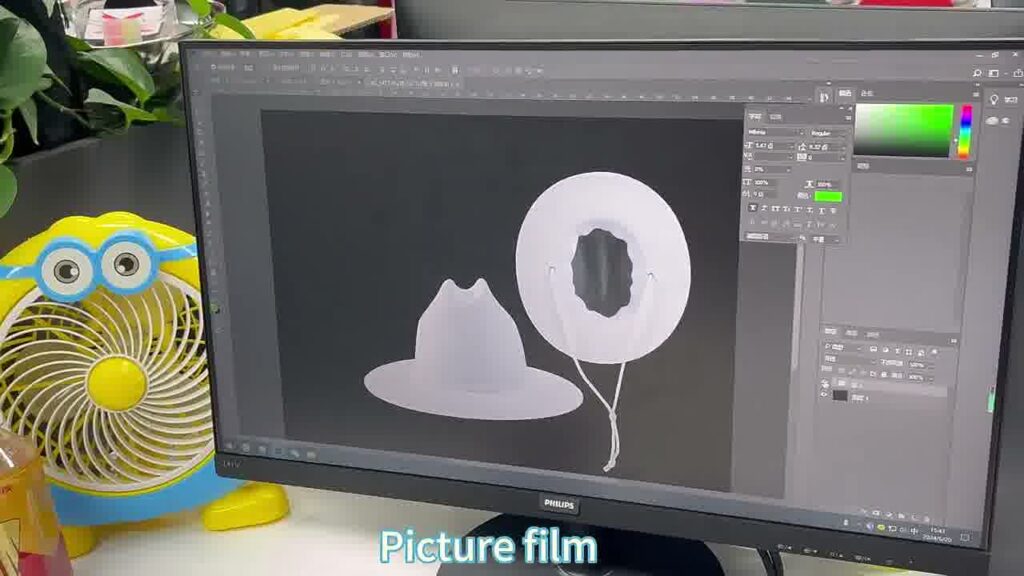
A digital mockup can support review of logo scale, placement, basic color direction and overall balance. It cannot confirm:
- Fit or head circumference
- Hand feel or actual material texture
- Crown and brim structure
- Physical decoration quality
- Color under different lighting
- How the hat body, trims and packaging work together
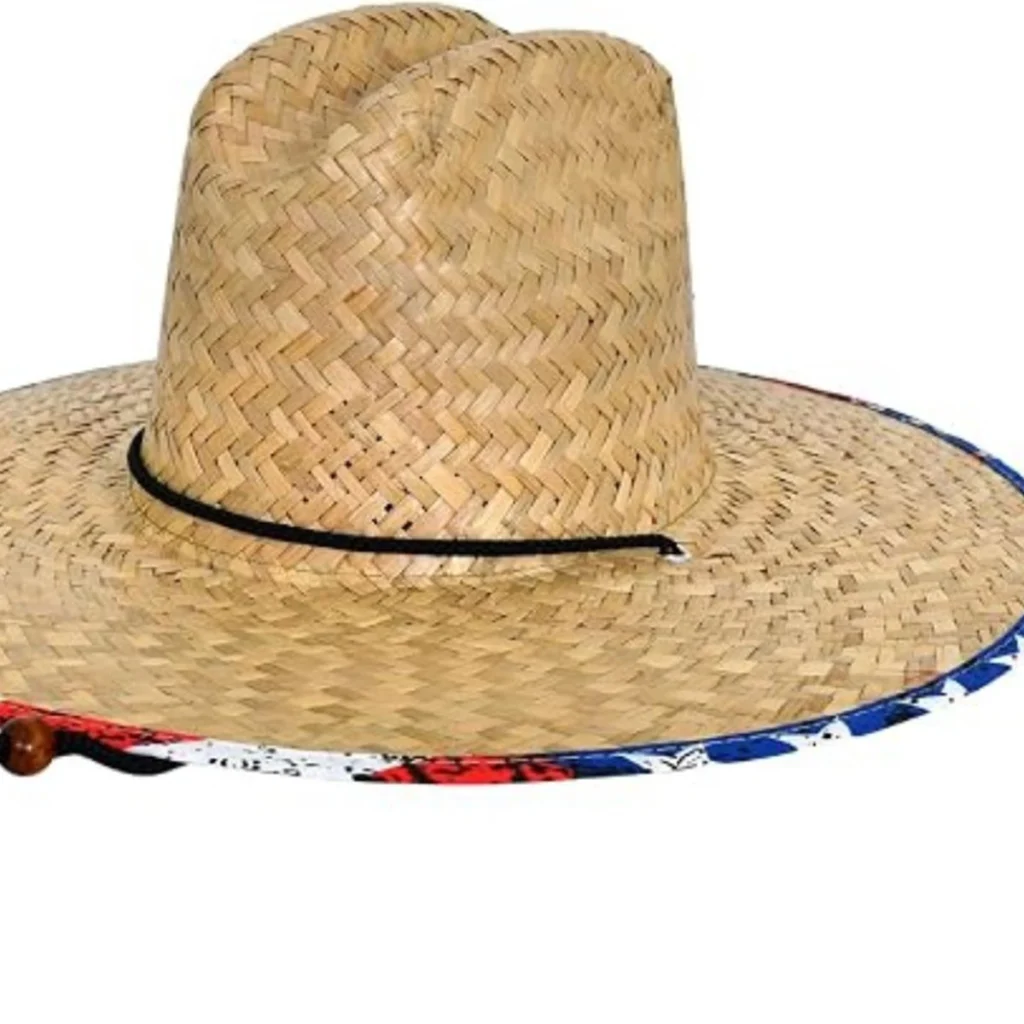
A physical sample supports those decisions, but it is a reviewed reference—not a guarantee that every bulk unit will look visually identical. Natural straw can vary in tone, texture and weave appearance.
Choose the sample path according to the decisions and risks involved, not only the OEM or ODM label. The TerraHats sample policy explains the roles of mockups, reference samples and customized physical samples.
Repeatability Depends on Specification Control
An approved sample cannot display every production instruction. It may not identify the artwork version, label wording, packaging sequence or agreed tolerances.
Record the approved configuration in a controlled specification, give each revision a date or version number, and maintain a change log. If the buyer changes the material, brim width, patch construction or packaging after approval, the parties should review the effect on feasibility, cost, schedule and sampling before accepting the change.
For natural materials, repeatability should mean conformity to the confirmed specification and agreed tolerances—not identical fibers, tone or weave in every unit.
Where OEM and ODM Orders Commonly Go Wrong
1. Treating the label as the scope
“OEM,” “ODM” and “private label” are shorthand. The quotation or agreement must state what the supplier provides and what the buyer supplies or approves.
2. Assuming ownership or exclusivity
A buyer’s logo, a supplier’s pre-existing hat construction and a newly developed feature may sit in different rights categories. Clarify ownership, permitted reuse, confidentiality, file delivery and any exclusivity by product, market and duration. Address tooling or other project-specific assets where relevant.
WIPO and the EU IP Helpdesk provide general IP-management guidance, but the applicable agreement and jurisdiction control the project. Obtain legal advice when rights are material.
3. Approving a visual as if it were the product
Approval of a mockup may cover logo placement without approving material, fit, dimensions, trims, labels or packaging. Each approval should state what was reviewed and what remains open.
4. Losing control of revisions
Feedback spread across email, chat and annotated images can leave the buyer and supplier working from different versions. Use one current specification and a dated change log.
5. Expecting the route to guarantee commercial outcomes
ODM is not always cheaper or faster. OEM does not automatically deliver higher quality. Neither label establishes MOQ, price, lead time, capacity or exclusivity. These points must be reviewed for the specific hat, quantity and requirements.
How to Choose the Right Route
Choose ODM-oriented adaptation when an existing direction fits the product, the main changes concern branding or selected trims, and the brand accepts the underlying construction.
Choose OEM-oriented development when fit, silhouette, construction, dimensions or material combinations must follow buyer-defined requirements, and the team is prepared to review more variables and approvals.
Choose a hybrid route when an established hat body can be retained but several important features require development. Ask the manufacturer to mark each component as existing, adapted or newly developed. A hat manufacturing partner should translate those distinctions into a defined scope, not rely on the label alone.
12 Questions to Ask Before Approval
- What exact style, sample or specification starts the project?
- Which elements are existing, adapted or newly developed?
- What files and information must the buyer provide?
- What will the digital mockup confirm?
- Which decisions require a physical sample?
- Which sample and specification version will control production?
- How will post-approval changes be recorded?
- What material, workmanship or dimensional tolerances require agreement?
- What rights apply to the design, artwork and project files?
- Do exclusivity, confidentiality or permitted-reuse terms apply?
- Which MOQ, cost and schedule factors still require project review?
- What records will control a repeat order?
For a broader view of options and development steps, review the custom hat manufacturing process.
Frequently Asked Questions
Is OEM better than ODM for hat manufacturing?
No. The better route is the one that matches the project’s starting point, required control and available inputs. OEM generally fits a buyer-defined product; ODM generally fits adaptation from an existing or supplier-led direction.
Does OEM mean the brand owns the hat design?
No. The label does not establish ownership. Ownership, access and permitted-use terms for existing designs, new elements, artwork, specifications, tooling and production files should be defined in writing.
Is an ODM hat design exclusive to one brand?
Not automatically. A supplier-developed style may be available to other buyers. Exclusivity requires an express agreement defining its scope, market and duration.
Is ODM always faster or less expensive than OEM?
No. Cost and schedule depend on the actual style, materials, decoration, components, samples, packaging, quantity and approvals.
Can a digital mockup replace a physical sample?
No. A mockup supports visual review but cannot verify fit, hand feel, texture, structure or physical decoration. The need for a physical sample depends on the product risks and approval decisions.
What should control bulk production?
Use the agreed production-reference package. Where applicable, it should combine the approved physical sample, version-controlled specification, approved artwork and dated change log.
Can an approved sample guarantee identical hats?
No. Production should follow the confirmed specification and agreed tolerances, but natural straw can vary in tone, texture and weave appearance.
Is private label the same as ODM?
Not necessarily. Private label concerns branding and presentation. It may involve adapting an existing style or developing a more specific product, and it does not automatically establish ownership or exclusivity.
Sources and Further Reading
- JETRO: OEM production and related trade guidance — a Japanese trade-context example of OEM usage.
- WIPO: Grow by Integrating IP Into Your Business Decisions
- EU IP Helpdesk: Guide to IPR Protection in China for the OEM Industry
- European Commission merger decision discussing OEM/ODM market terminology — historical context for ODM associated with design services and blurred market boundaries; not a definition of hat OEM.
- Yonder Hats FAQ — one supplier’s public FAQ, not an industry authority or market benchmark.
This article provides general sourcing information, not legal advice. Brands should obtain professional advice on intellectual property, confidentiality, exclusivity and contracts in the relevant jurisdictions.