-
WhatsApp +86 15116118247
-
Any Questions info@terrahats.com
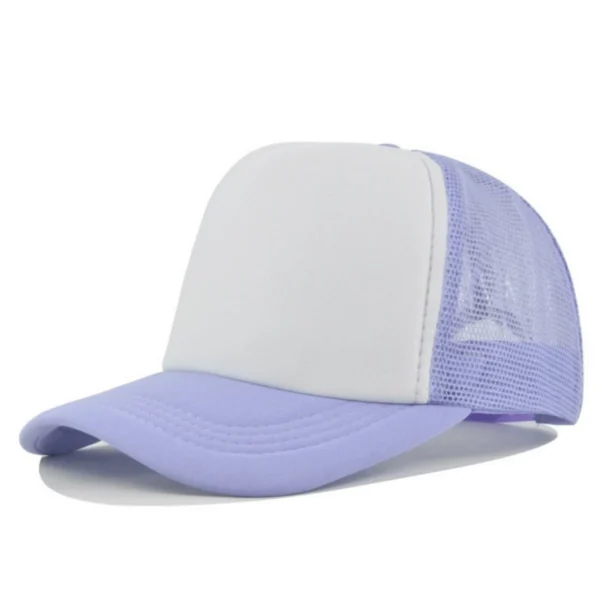
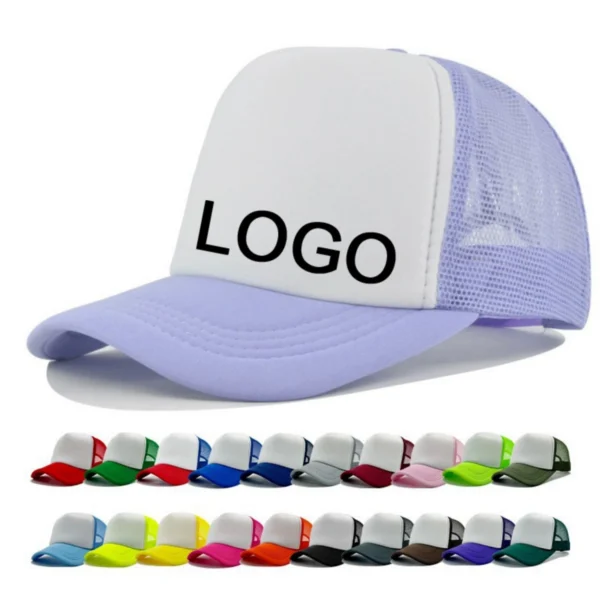
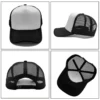
Custom 5-Panel Mesh-Back Trucker Hat
Build a trucker hat around your team identity, campaign artwork, or merchandise program instead of a one-size-fits-all specification.
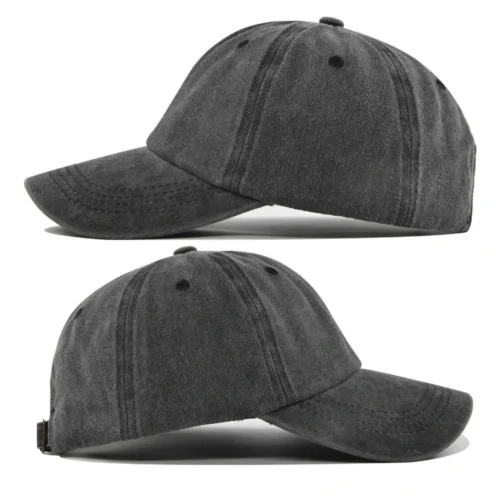
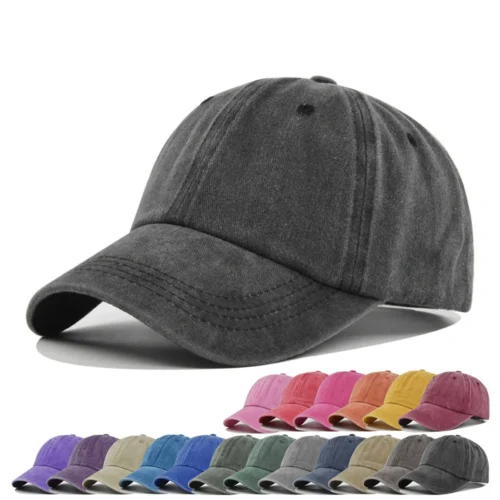
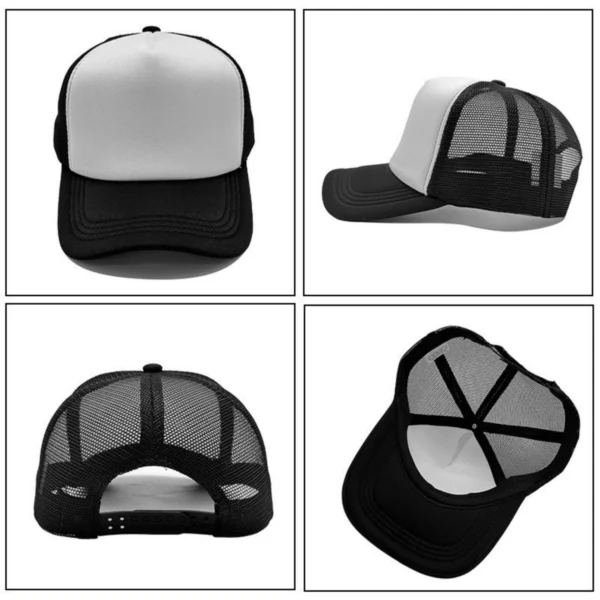
The reviewed reference shows a five-panel direction with a broad front, a mesh back, a curved stitched brim, a plastic adjustable rear closure, and two-tone color combinations — a clear starting point for artwork review, color planning, fit approval, and sampling.
🔒 Verified supplier · Custom artwork, patch, label & packaging supported · Testing docs available on request
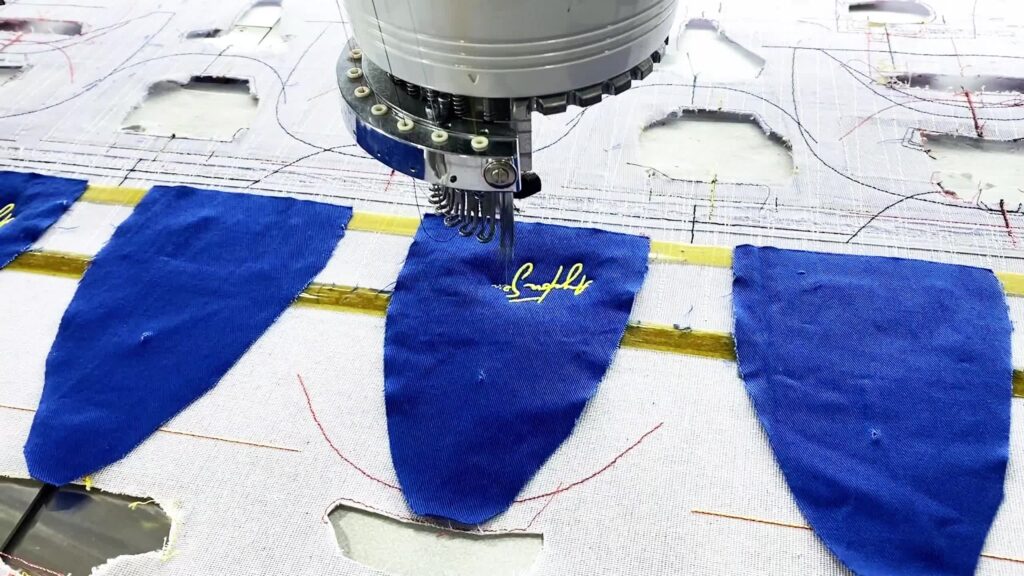
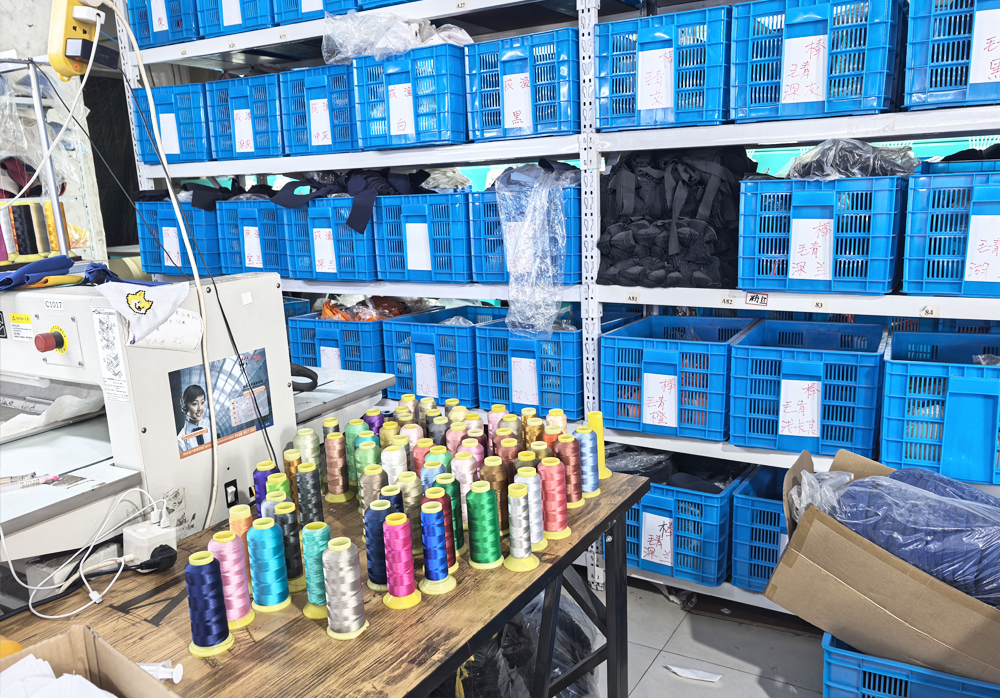
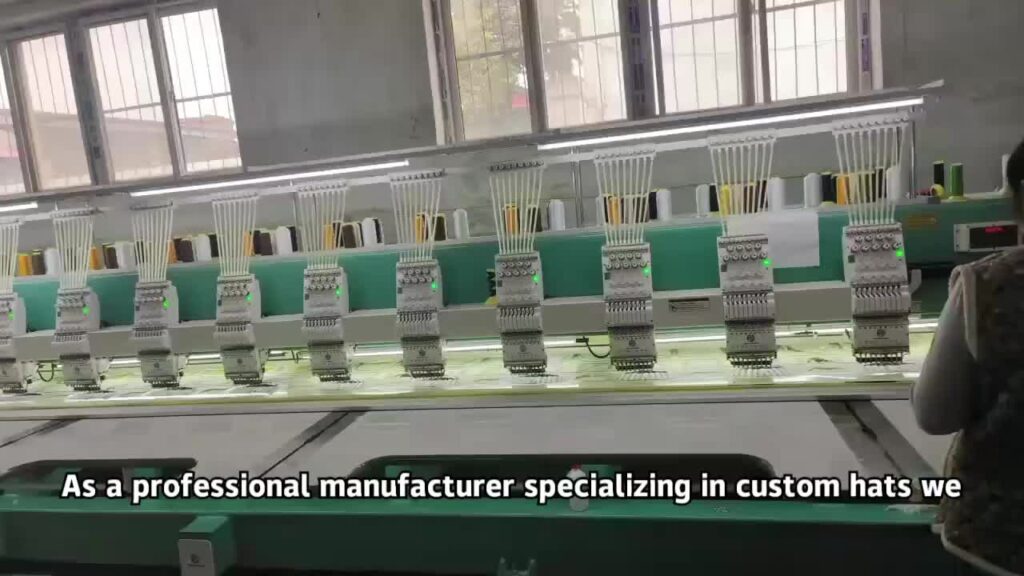
Inside Our Production Floor
Sampling, cutting, and sewing
managed under one factory workflow.
Quick Reference
The reference images do not establish a specific cotton, polyester, blend, canvas, or foam
composition. Exact materials and measurements should be recorded in the approved sample and bulk specification.
| Reference Feature | Project Approval |
|---|---|
| Five-panel construction | Confirm the selected crown profile and production sample |
| Broad front area | Confirm the front material, hand feel, logo treatment, and whether any internal support is used |
| Mesh-back body | Confirm the mesh material, opening, color, and seam finish |
| Curved brim | Approve the finished curve, dimensions, stitching, and color split |
| Plastic adjustable rear closure | Check the closure type, color, movement, and measured adjustment range |
| Two-tone color direction | Define the front, mesh, brim, stitching, and closure colors |
| Adjustable-fit direction | Approve the measured fit range with the intended wearer group |
Why Choose a Five-Panel Trucker-Hat Base?
A five-panel construction gives this hat a visually broad front area. That makes it a useful starting point when the front logo or campaign graphic needs to lead the design.
In the reviewed images, the broad front presents a defined shape, while the mesh-back body creates the recognizable trucker-hat profile. A two-tone layout can separate the front, rear, brim, and closure colors, helping a buyer organize brand colors across team groups, event editions, or merchandise collections.
This base may be suitable when your priorities include:
The construction alone does not determine logo quality, comfort, fit, or production performance. Those results depend on the selected material, artwork, decoration process, measurements, and approved sample.
Approve the Structure, Brim, Closure, and Fit
A useful sample approval goes beyond checking whether the
logo looks correct. It should establish how the entire hat is expected to look, fit, and be reproduced.
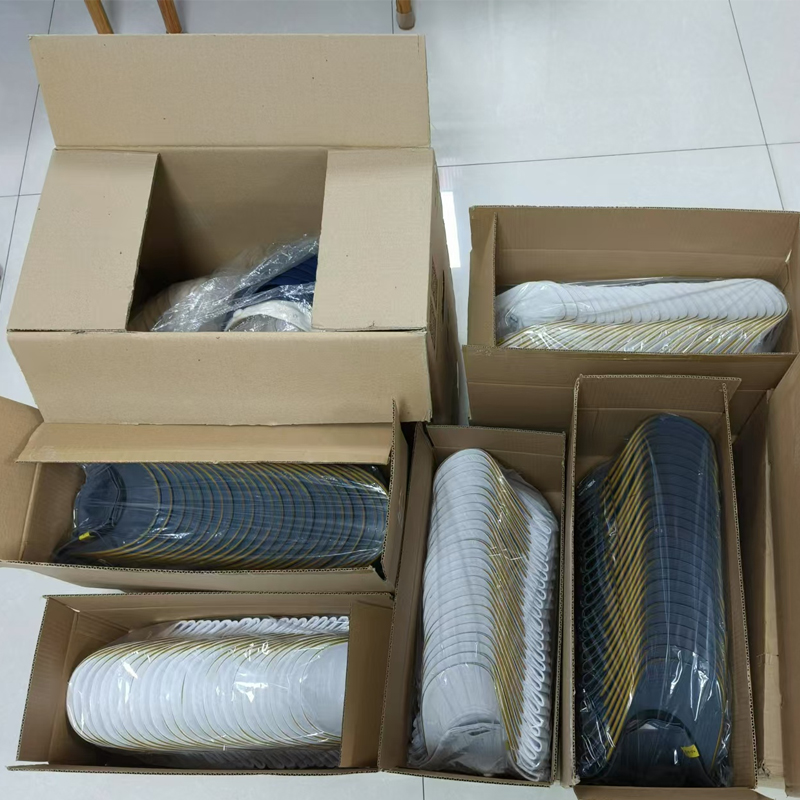
Front and Crown
Review the front-panel shape, support, seam layout, crown height, front angle, and side profile. The submitted logo should be evaluated against the actual front material and construction rather than only placed on a generic digital hat template.
The final specification should record:
Mesh Back
Confirm the mesh material, opening, color, panel matching, edge construction, and seam finish. If a secondary label or mark is planned for the rear or side, its attachment method should be tested on the selected mesh construction.
Curved Brim
The current reference shows a curved-brim direction. During sampling, check the brim length, width, curve, upper and under-brim colors, stitching rows, alignment, and relationship to the front logo. A flat brim or a different curve can be submitted as a development request, but it should not be treated as an existing version until the construction and sample have been reviewed.
Rear Closure
The reference product shows a plastic adjustable rear closure. Confirm the closure design, color, attachment, grip, movement, rear-opening shape, and measured adjustment range in the sample. Alternative closure materials or mechanisms require a separate feasibility review.
Fit Approval
Do not rely on a generic “one size fits all” statement. The sample should be measured, worn by
representatives of the intended user group, and checked for:
Adult, youth, and child size references should remain separate. If the program serves more than one wearer group, request the appropriate size-development and sampling plan.
Illustrative Reference Range (Inches) — Not a Final Spec
| Measurement Point | Reference Range | Note |
|---|---|---|
| Head circumference (adjustable fit) | 21.3″ – 24.0″ | Confirm exact range against the measured sample and intended wearer group |
| Front panel height | 3.3″ – 3.7″ | Varies with front support or foam thickness |
| Crown circumference (pre-adjustment) | ≈ 22.4″ | Base panel measurement before closure adjustment |
| Brim length (center) | 2.6″ – 2.9″ | Subject to curve profile and brim material |
| Brim width (widest point) | 4.3″ – 4.7″ | Measured flat at the widest section |
| Mesh panel height (back) | 2.6″ – 3.0″ | Varies by mesh opening and construction |
All figures are illustrative reference ranges in inches for planning purposes only. Final measurements must be confirmed on the approved physical sample for your selected configuration and wearer group. See the Sample Policy when preparing your approval process.
Plan the Colorway
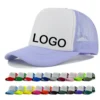
The reviewed images show two-tone color combinations. A project color plan may involve more than choosing one front color and one mesh color, subject to component availability and sample approval.
Include the following in your project brief:
Color can appear differently across front fabric, mesh, plastic components, thread, labels, and brim materials. If precise brand-color control is important, provide your references early and define how color approval will be handled.
Any Pantone-based matching process, production tolerance, or dyed-to-match component must be agreed for the selected materials and order.
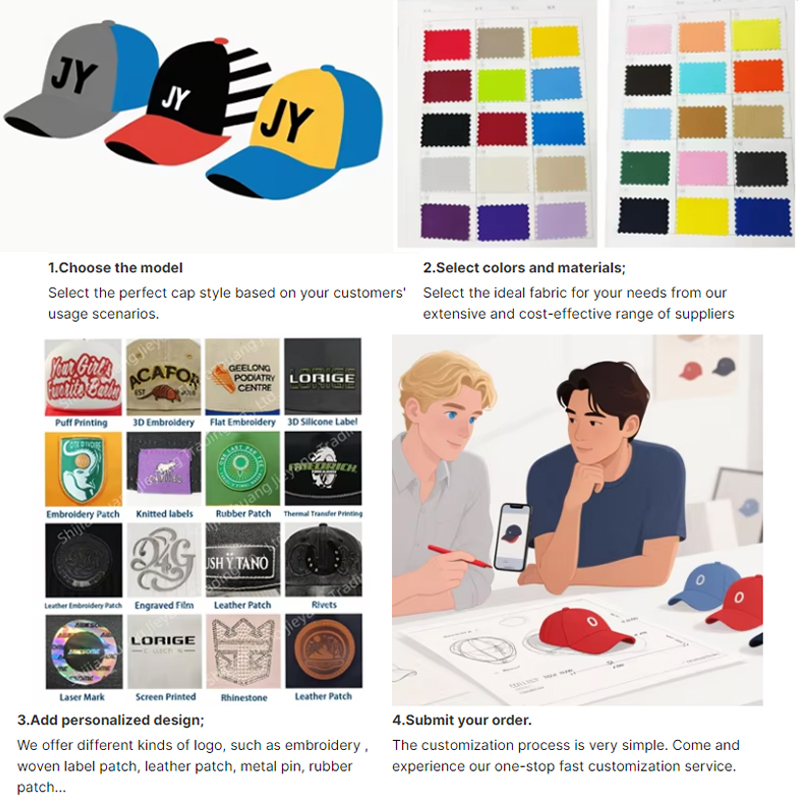
Map the Branding Zones
The front panel is the primary branding area on this reference style. Other placements can be assessed when they support the design without interfering with seams, closure movement, fit, or wearer comfort.
| Hat Area | Planning Direction | Must Be Approved |
|---|---|---|
| Front panel | Primary logo, wordmark, team identity, or campaign graphic | Artwork dimensions, placement, line detail, material compatibility, and sample result |
| Side area | Secondary mark, small identity element, or label | Available space, selected construction, attachment method, and visibility |
| Rear opening or closure area | Flag label, small rear mark, or identification detail | Closure movement, placement, comfort, and attachment |
| Upper brim | Contrast color, stitching, or evaluated decoration | Brim material, curve, distortion risk, and artwork alignment |
| Under brim | Secondary color or evaluated graphic | Material, production method, alignment, and finish |
| Interior | Main label, care label, size label, or sweatband detail | Legal content, position, attachment, readability, and comfort |
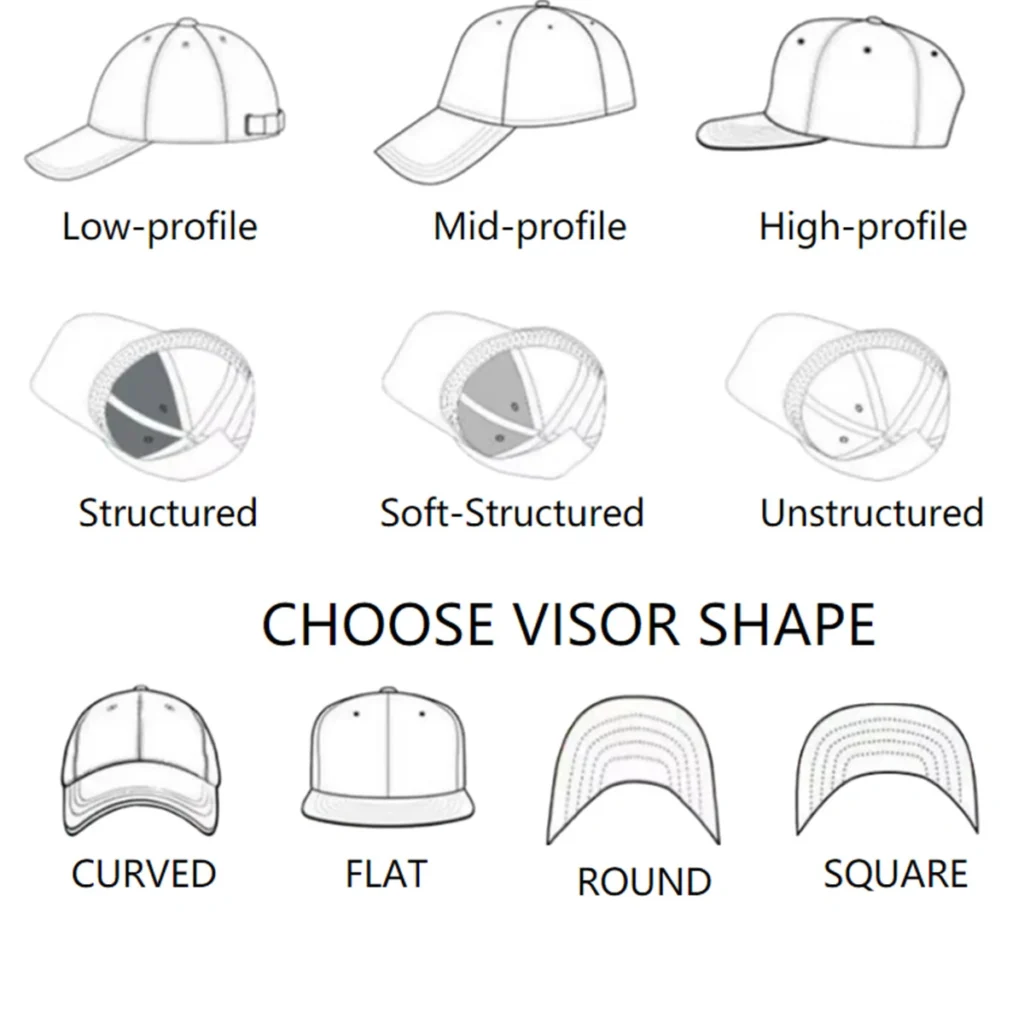
Flat or raised embroidery, woven, leather, or rubber patches, and screen or digital printing are evaluation directions only. Availability and suitability must be confirmed against the selected material, artwork, placement, quantity, and physical sample.
Send vector artwork when available, together with the intended logo width and preferred placement. This gives the project team a basis for deciding which direction should be evaluated in a mockup and, if agreed, a physical sample. For more detailed decoration and private-label planning, review the Customization process.
Add Private-Label Details
A private-label program can involve visible branding, internal product information, retail identification, and packing instructions.
Your specification may need to cover:
Label content should be approved together with the final composition, intended market, size system, product artwork, and packaging. Third-party logos, marketplace images, testimonials, or customer names should only be used when the necessary permissions are in place.
Configure the Hat for Your Program
The same five-panel reference can support different procurement goals, but it should not be treated as a fixed package. Begin with the use case, then define the product specification around it.
Team and staff uniforms
Direction: Clear front identity, controlled two-tone colorway, adjustable closure, and internal identification where needed
Approval priorities: Wearer distribution, measured fit range, logo visibility, color consistency, and repeat-order records
Outdoor and sports brands
Direction: Brand-led front treatment, coordinated brim and mesh colors, and private-label presentation
Approval priorities: Material and construction feel, artwork execution, retail positioning, labels, and sample presentation
Event merchandise
Direction: High-recognition campaign artwork, event color direction, and practical distribution packing
Approval priorities: Artwork deadline, quantity split, delivery requirement, packing method, and approval schedule
Promotional and corporate programs
Direction: Logo-focused configuration, organized color options, and defined item or carton identification
Approval priorities: Budget, artwork complexity, order volume, distribution plan, and replenishment consistency
Private-label collections
Direction: Product-specific materials, brand labels, hangtags, barcodes, and sales-channel packing
Approval priorities: Market labeling, specification control, brand presentation, packaging, and reorder documentation
These are configuration directions rather than preset products or claims about previous customer programs. Buyers managing a multi-item campaign can also review the Promotional Hat Program.
From Logo Review to Approved Production Specification
The sequence below is a proposed approval framework. Confirm the actual mockup, sample, inspection,
and packing steps for each project.
01. Submit the Project Brief
02. Review Technical Feasibility
A technical review should assess artwork size, line detail, placement, and potential decoration directions. This step helps identify whether the original artwork should be simplified, resized, repositioned, or evaluated through a different treatment.
03. Confirm the Base Configuration
Define the five-panel crown, front construction, mesh, brim, closure, color split, labels, and packaging direction. Any request for a different brim or crown construction should be identified here.
04. Prepare the Visual Approval
Depending on the project, the pre-production review may use a digital mockup, artwork placement sheet, color reference, or another agreed approval document. This stage establishes the intended position and appearance before the physical result is assessed.
05. Approve the Physical Sample
Review the complete sample, including:
06. Lock the Bulk Specification
Record the approved materials, measurements, color references, artwork files, placements, fit range, tolerances, labels, packing, quantities, and delivery terms. The approved specification should become the working reference for production and the agreed inspection process.
07. Define Inspection and Packing Checks
The order should define which production checks, inspection criteria, and packing instructions apply to the approved product specification. Any approved reference sample, artwork sheet, color reference, or measurement table should be identified clearly in the order documentation.
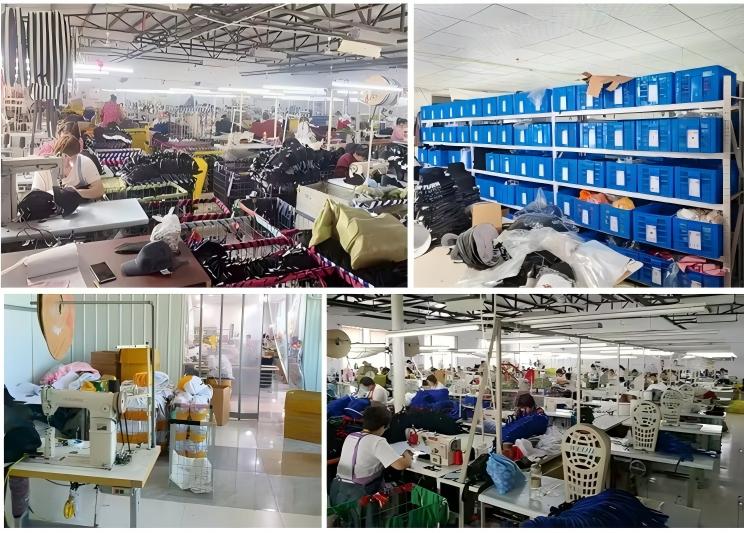
Specification-locked production
Approved artwork, measurements, colors, labels, and packing instructions travel together as one reference file from sample to shipment.
What Affects the Quote?
The final quotation depends on the complete configuration, not only the base hat shape. Key factors include:
MOQ, sample charges, mockup policy, sample timing, production timing, and price must be confirmed in the quotation for the selected project. Old marketplace figures or figures from a different construction should not be used as a current quotation.
QC and Packing Approval
Agree an inspection and packing checklist for the order based on the features approved during sampling.
The applicable inspection method and acceptance criteria must be confirmed for the selected supplier and project.
| Inspection Area | Review Points |
|---|---|
| Crown and front | Front shape, symmetry, seam alignment, approved profile, and any support detail confirmed in the sample |
| Brim | Dimensions, curve, stitching, color, and alignment |
| Mesh and rear construction | Panel matching, seams, edge finish, and rear opening |
| Closure | Attachment, adjustment movement, grip, color, and measured range |
| Logo and decoration | Position, dimensions, orientation, surface appearance, and approved artwork |
| Labels | Content, readability, position, attachment, and market requirements |
| Color | Relationship to the approved references across different components |
| Packing | Shape protection, individual packing, carton quantity, labels, and shipping marks |
Carton quantity, carton dimensions, weight, inspection standard, and packing method should be taken from the current order specification. They are not fixed by the reference images.
Five-Panel or Six-Panel?
The right panel structure depends on the desired crown profile and how the artwork interacts with the front seams.
| Decision Point | This Five-Panel Reference | Six-Panel Development Direction |
|---|---|---|
| Front construction | Broad five-panel front direction supported by the current product reference | Many six-panel crowns use a front-center seam; the exact construction would need development |
| Artwork planning | Offers a visually continuous front area for logo evaluation | Artwork may need to accommodate a center seam |
| Silhouette | Wide-front trucker-hat direction | May create a more segmented, baseball-cap-like crown |
| Current status | Shown in the current reference images as the basis for artwork and sample approval | Not a confirmed version or separate SKU |
| Next step | Confirm materials, measurements, logo, fit, and physical sample | Request a separate construction review, confirm a configuration-specific quotation, and approve a dedicated sample before the bulk specification is locked |
A six-panel direction should not be assumed to be interchangeable with this product. It may require different panels, seams, materials, artwork placement, measurements, and costing.
Compare Adjacent Hat Directions
Custom 5-Panel Mesh-Back Trucker Hat
Broad front, mesh-back body, curved stitched brim, and plastic adjustable rear closure
Choose it when: You want a recognizable trucker profile with a broad front branding area
Custom Camp Hat
Different fabric-cap construction without the same mesh-back trucker profile
Choose it when: You want to evaluate a softer or lower-profile cap direction
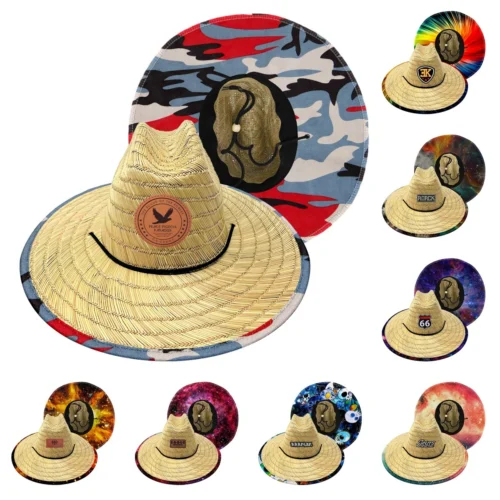
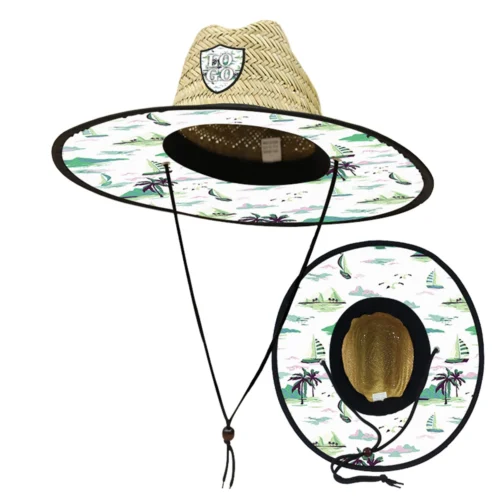
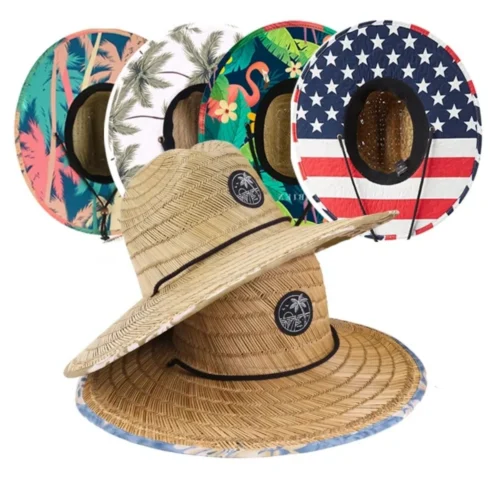
Team Lifeguard Straw Hat
Wide-brim straw-hat direction with patch-branding potential
Choose it when: Your program requires a visibly different wide-brim team silhouette
If the trucker profile is not right for the collection, compare Custom Camp Hats or return to the complete Products selection.
Frequently Asked Questions
Common Buyer Questions
Can a logo be added to the mesh, side, rear, or brim?
Secondary placements can be assessed. Available space, mesh or brim construction, closure movement, attachment, distortion, and wearer comfort must all be considered. These positions should be included in the mockup and physical sample.
What is the difference between a five-panel and six-panel trucker hat?
This five-panel reference has a broad front construction without the typical front-center seam found on many six-panel crowns. A six-panel structure can change the crown profile and may require the artwork to cross or avoid a center seam. The final choice should be based on the intended shape, artwork, and a dedicated sample.
Is a six-panel version currently available?
A six-panel version is not confirmed as part of this product. It can be discussed as a development direction, but its construction, materials, measurements, price, and sample would need to be reviewed separately.
Can the curved brim be changed to a flat brim?
A flat-brim request can be evaluated, but the current reference shows a curved brim. A different brim may affect the crown relationship, materials, measurements, artwork presentation, and quotation, so it requires its own approval.
Which logo method is suitable for the front panel?
The appropriate method depends on the selected front material, support, artwork dimensions, line weight, text detail, desired surface appearance, and order requirements. Send the artwork for a technical review before selecting embroidery, a patch, or a print direction.
Can the front, mesh, brim, stitching, and closure use different colors?
A multi-component colorway can be planned. The available colors and consistency between fabric, mesh, thread, plastic, and brim materials depend on the final sourcing and quantity. Approve the complete color relationship on the sample.
Can TerraHats match a Pantone color?
You may provide Pantone or other brand-color references for evaluation. The matching process, available components, tolerance, and approval method must be agreed for the actual materials. A color reference should not be treated as a guarantee that every component will reproduce identically.
What head-circumference range does the reference sample fit?
An exact range is not published because the finished measurements have not been verified for the selected sample. The closure range and fit should be measured and approved for the intended wearer group before bulk production.
Is a physical sample required?
A physical sample is strongly recommended when fit, material, crown shape, color, decoration, or private-label details matter. The sampling plan may vary by project, but the bulk specification should not be locked until the relevant product details have been approved.
What information is needed for a quote?
Provide the logo, target quantity, quantity by colorway, preferred colors, wearer group, decoration direction, label and packaging requirements, destination market, and target delivery date. Reference images or an existing specification sheet are also useful.
Can the hat include private labels, hangtags, and individual packaging?
These items can be included in the project review. Their content, materials, attachment, legal requirements, barcode data, and packing format must be confirmed before quotation and sampling.
Can multiple colors or related hat styles be combined in one program?
You can submit a program containing several colors or related product directions. Quantity allocation, MOQ, material availability, sampling, pricing, and delivery planning must be evaluated for the actual assortment rather than assumed from a single product.
How are repeat-order specifications controlled?
Keep the approved artwork files, measurements, colors, materials, placement details, labels, packing instructions, and reference sample connected to the order record. Before a repeat order, reconfirm any component or color that may have changed since the previous production.
What MOQ and production time apply?
MOQ and timing depend on the selected materials, number of colorways, decoration complexity, labels, packaging, sample requirements, quantity, and delivery terms. They must be confirmed in the project quotation after the configuration has been reviewed.
Get a Quote & Sample
To prepare a quote and sample recommendation, please share the following details. Our team will respond with pricing direction, sample options, and lead time.
What we’ll need
- Quantity
- Branding
- Sample Type
- Timeline
- Destination
Estimated order range or target bulk quantity
Patch, under-brim print, trim, label, or blank sample
Blank sample, logo sample, or under-brim sample
Target delivery window
Shipping country/region and packing needs