
-
WhatsApp +86 15116118247
-
Any Questions info@terrahats.com
Order-Specific Compliance Support
Hat Factory Compliance, Testing & Quality Control Support
Review the documents, inspection checkpoints and third-party testing options relevant to your hat style, materials and destination market before bulk production.
Compliance requirements are not identical across every hat, material or market. Share your product and buyer requirements so the available document scope, testing feasibility and appropriate next step can be reviewed for the project.
Compliance requirements are not identical across every hat, material or market. Share your product and buyer requirements so the available document scope, testing feasibility and appropriate next step can be reviewed for the project.
Factory Verified
Documents reviewed per order scope, material and destination market.
Scope Note — Compliance documents and third-party testing can be prepared or provided according to buyer requirements where applicable.
Compliance Starts With Product and Market Requirements
A factory document, material report or previous product test does not automatically cover every custom hat
order. The applicable review starts with the product as it will be made, marketed and supplied.
Destination Market
Identify where the finished hats will be sold or used. Product rules, warning requirements, buyer policies and document expectations can vary by country or region.
Product Type
Confirm the hat category and construction. A natural-straw hat, fabric bucket hat, trucker cap or mixed-material style may involve different materials, components and test questions.
Intended User & Age Group
State whether the product is intended for adults, children or a mixed audience. Age classification can affect which product-safety requirements and certification records need to be reviewed.
Materials & Components
List the hat body, fabric, dye, print, patch, metal component, chin strap, sweatband, lining, label and packaging materials that may be included in the finished order.
Product Claims
Identify any claim you intend to place on the product, packaging or marketing. UPF, recycled-content, natural-material, sustainability and other performance or environmental claims may require product-specific evidence.
Order Stage
Tell us whether you are screening suppliers, preparing a sample, finalizing a purchase order, producing a bulk order or preparing for shipment. The useful documents and next actions differ by stage.
Market-Specific Requirements
These examples explain why product classification and scope matter. They do not represent blanket certification of
TerraHats products.
United States
Requirements differ between general-use and children’s products. If a hat is designed or intended primarily for children aged 12 or younger, confirm the intended age group, materials, decoration and applicable testing or certification requirements before sampling.
California
California Proposition 65 is a warning framework related to exposure to listed chemicals, not a general product certification. Product materials, expected exposure and the buyer’s sales plan need to be reviewed before deciding what evidence or warning assessment may be relevant.
European Union
EU requirements can involve product safety, material or chemical obligations, labeling and supply-chain responsibilities. CE marking applies only when specific EU product legislation requires it; it should not be treated as a general approval badge for every hat.
Australia & New Zealand
Any UPF claim should be supported by evidence applicable to the product, material, construction and test method. Confirm the intended claim and destination requirements before finalizing the sample and marketing copy.
Quality Control Checkpoints for Custom
Hat Orders
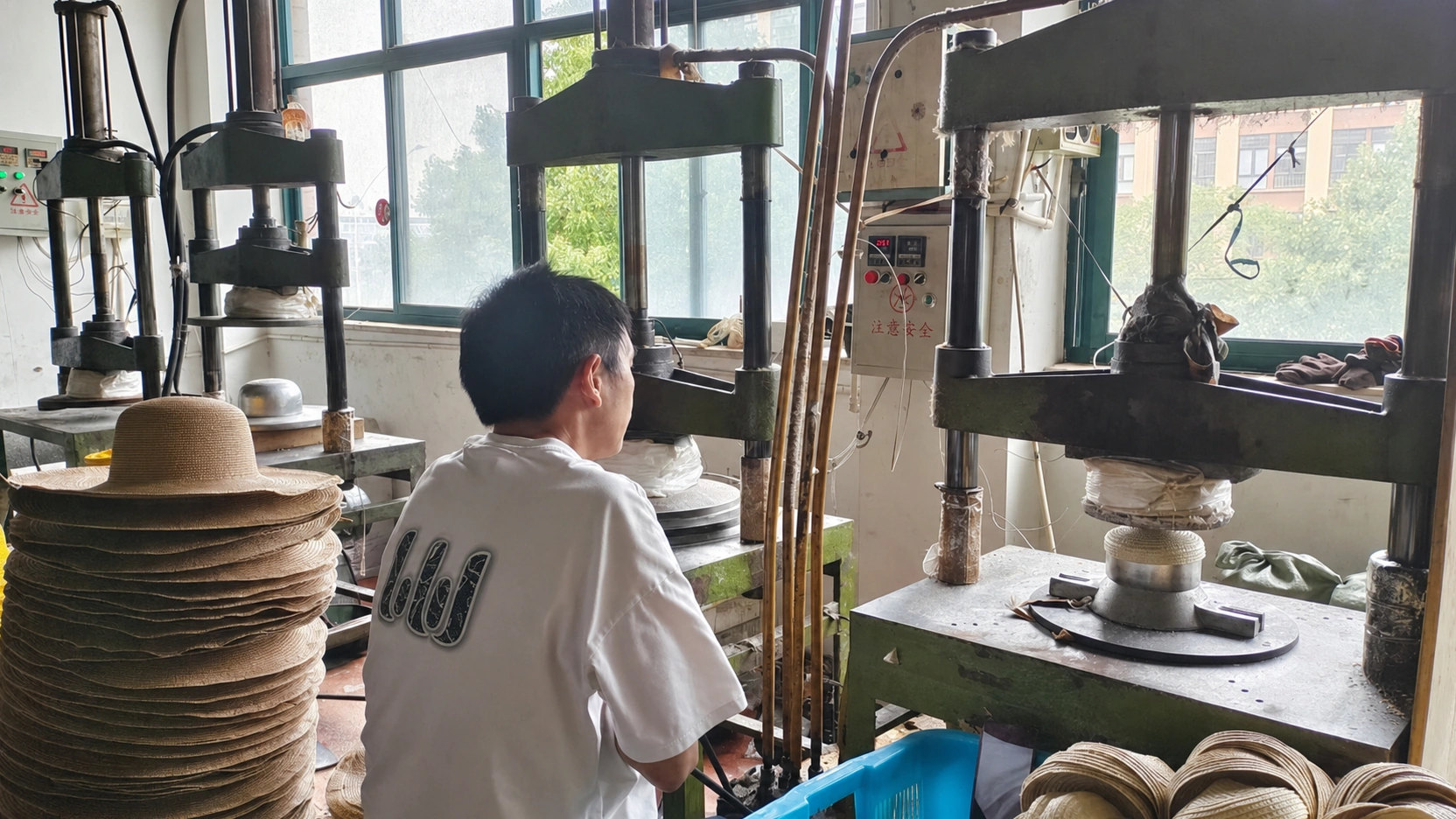
Quality control begins with an agreed product specification. The exact inspection scope should be confirmed for the selected hat, customization methods, packaging and buyer requirements.
1. Requirement Review
We organize the available project information, including the hat style, materials, colors, dimensions, logo method, labels, packaging, destination market and requested documents.
Buyer Action
Share the latest specification, reference product, artwork and known compliance requirements.
2. Material & Component Check
The project review identifies the specified hat body, lining, patch, print, strap, metal part, sweatband, label and packaging components that need to match the approved direction.
Buyer Action
Flag any restricted material, composition, supplier-document or testing requirement before sampling.
3. Sample & Specification Approval
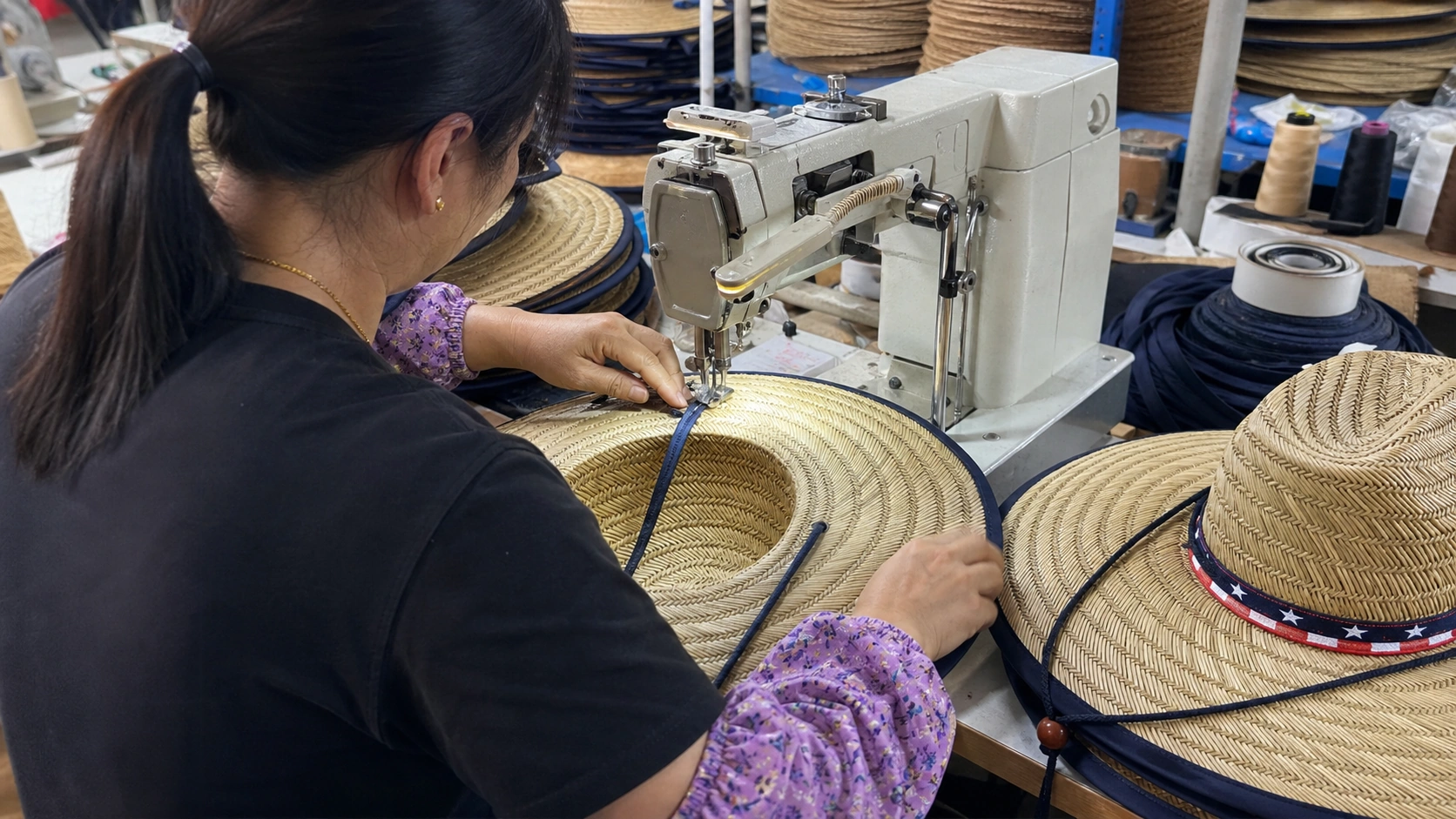
The applicable sample, artwork version, measurements, color direction and key construction details should be compared with the written specification before bulk production proceeds.
Buyer Action
Record the approved sample or reference, open deviations and any details that still require confirmation.
4. Production Inspection
Inspection points can be aligned with the approved product requirements, including visible workmanship, measurements, decoration placement, labels, components and packing execution.
Buyer Action
Confirm any required inspection method, sampling plan or third-party inspection arrangement in the purchase documentation.
5. Final Inspection & Packing Records
Before shipment, confirm the agreed final-inspection scope, packing method, carton information and any order records that need to accompany the shipment or buyer review.
Buyer Action
Provide the final document and shipment checklist before the inspection or booking stage.
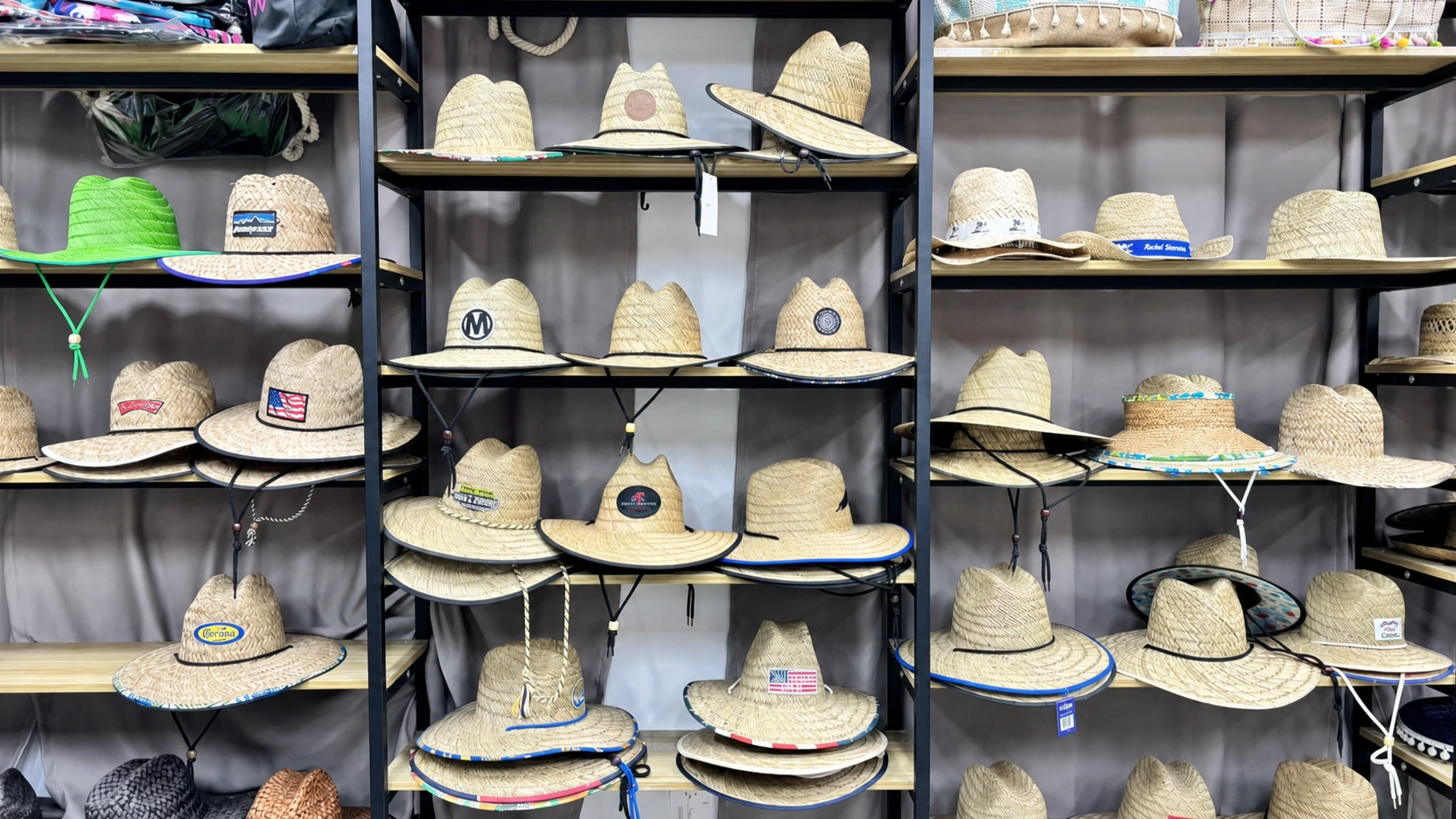
Specification Reference — Example Only, Measured in Inches (in.)
| Brim Width | 2.5 in. – 4.5 in. |
| Crown Height | 3.5 in. – 5 in. |
| Inner Circumference | 21.5 in. – 24 in. (adjustable) |
| Chin Strap Length | 13 in. – 17 in. |
Measurement fields shown in inches for reference. Actual specification ranges are agreed per style, size run and order.
Important: Inspection methods, sampling levels, reports and special checks are confirmed per order. A specific inspection standard or result should not be assumed unless it is included in the approved project requirements.
Testing & Documentation Support
The useful document depends on what the buyer needs to verify. The categories below distinguish supplier
information, material evidence, product testing and order-level inspection records.
Factory & Supplier Documents
Used For
Supplier onboarding, business-identity review and factory qualification.
May Include
Current business or factory information and audit documents that are available, relevant and permitted to be shared.
Status
Available for review where currently applicable.
Scope Reminder — A factory or supplier document does not automatically certify a finished product.
Material Documentation
Used For
Reviewing material composition, source information or buyer restrictions.
May Include
Supplier declarations, material information and project-specific test reports where available.
Status
Material- and project-specific.
Scope Reminder — A report for one material, color or supplier may not cover a modified material or finished hat.
Product-Safety Inspection
Used For
Reviewing production checks requested for the selected product and process.
May Include
Applicable inspection records, needle-detection records or other agreed safety checks.
Status
Confirm for the selected product and process.
Scope Reminder — The equipment, method, frequency and record format must be confirmed before the check is presented as an order requirement.
Performance Testing
Used For
Supporting UPF or another measurable product-performance claim.
May Include
A third-party report matched to the tested sample, material, construction and test method.
Status
Testing can be evaluated when required.
Scope Reminder — A material result should not automatically be converted into a claim for every finished hat.
Quality Inspection
Used For
Reviewing workmanship, measurements, customization and packing before shipment.
May Include
The agreed inspection criteria, sampling record, QC report or buyer-nominated third-party inspection.
Status
Inspection scope confirmed per order.
Scope Reminder — Sampling plan, acceptance criteria, report format and timing must be agreed in writing.
Packaging & Shipping Records
Used For
Confirming individual packing, carton marks, packing quantities and shipment documentation.
May Include
Approved packaging specifications, packing records, carton information and applicable export documents.
Status
Prepared according to confirmed order requirements.
Scope Reminder — Required documents can vary by destination, shipping method and buyer procedure.
Social & Factory Audit Documents
Used For
Supporting a buyer’s supplier-qualification or responsible-sourcing process.
May Include
Current audit documents that are valid, relevant and authorized for review.
Status
Available only where currently applicable.
Scope Reminder — Audit availability, validity, site scope and sharing permissions must be confirmed before publication or buyer reliance.
Understanding Document Status
Existing Document Available — Scope Review Required
The document exists, but its holder, product, material, method, date and order relevance still need to be checked.
Third-Party Testing Can Be Arranged After Feasibility Confirmation
The proposed test requires review of the product, laboratory scope, sample, method, cost and timing before it is accepted into the project.
Buyer-Specific Requirement — Confirm Before Sampling
The requirement should be added to the product brief and sample plan before materials and construction are finalized.
Not Currently Covered by Existing Documentation
No current document has yet been identified that supports the requested scope.
Not Applicable Based on the Confirmed Product and Market Scope
The requirement has been reviewed and is not applicable to the confirmed product and intended market context.
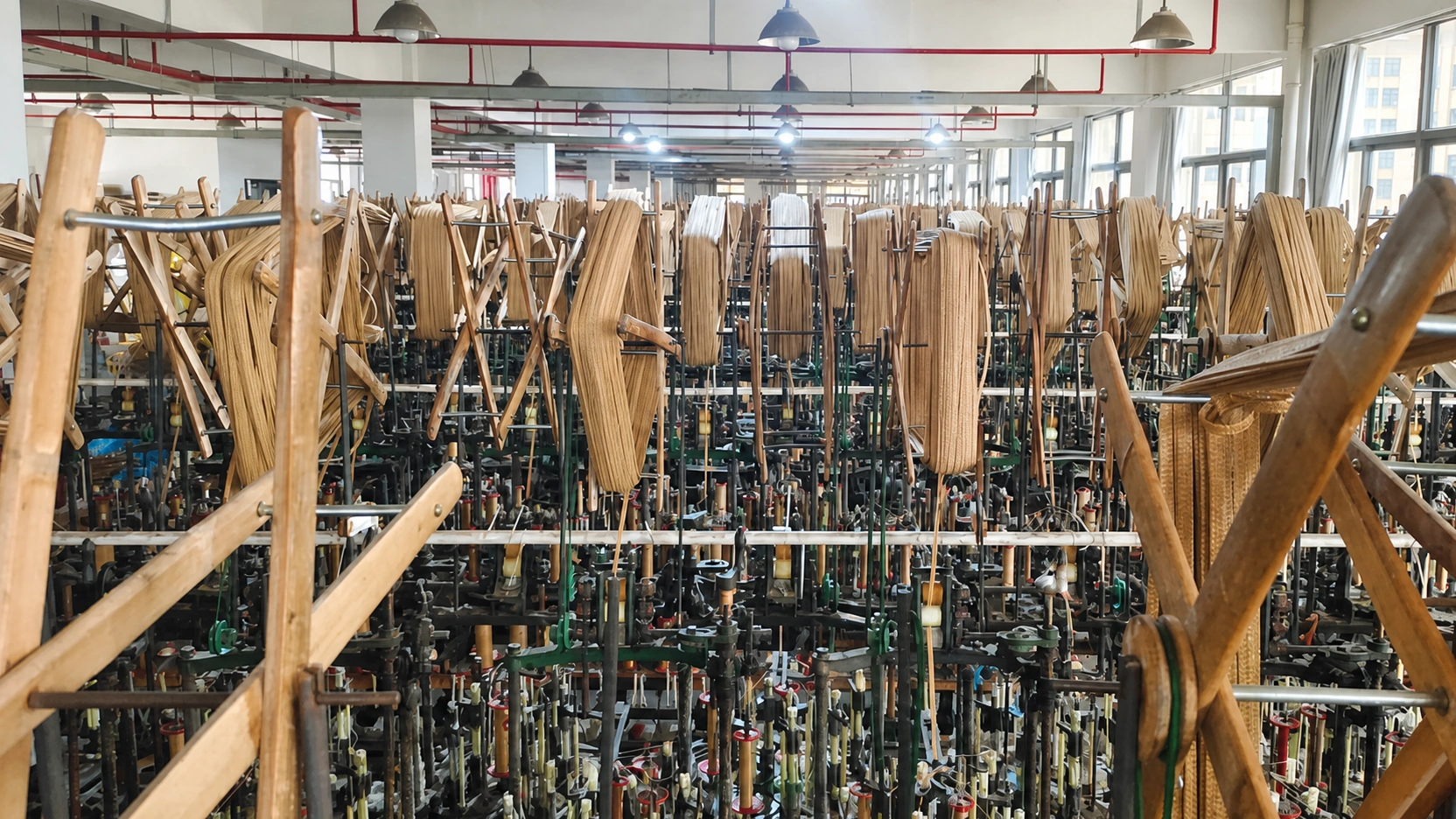
Third-Party Laboratory Coordination
Third-party testing can be coordinated with a buyer-nominated, appropriately accredited laboratory, subject to product, market and test-scope review.
Before a laboratory is selected, confirm:
How We Handle & Verify Project Compliance
If an existing report does not cover the proposed hat, the next step is not to relabel the document. The
correct approach is to identify the gap, confirm whether testing is feasible and verify that the resulting
evidence matches the order.
Arrange Project-Specific Testing
Step 1 — Share Product & Market Requirements
Provide the destination market, hat type, intended age group, materials, decoration, packaging, product claims and requested standard or buyer specification.
Step 2 — Review Existing Document Scope
Check whether any current document matches the relevant holder, supplier or factory, product, material, component, test method and validity period.
Step 3 — Identify Coverage Gaps
Separate the request into: evidence already available for review; missing product or material information; buyer requirements that need clarification; new testing or inspection that may be required; requirements that may not apply to the confirmed product.
Step 4 — Confirm Test Feasibility
Review the proposed laboratory, accredited activity, method, sample, cost, timing, report applicant, failure or retest conditions and delivery format.
Step 5 — Submit the Agreed Sample
Prepare the sample and supporting specification that represent the version intended for evaluation. Record the artwork, color, materials, components and construction associated with the submitted sample.
Step 6 — Deliver & Review the Report
Review the result together with the tested sample and report scope. Confirm what the report supports, what it does not support and whether any product, claim or documentation change is required before the order moves forward.
Process Note — Test availability, cost, timing and outcome are not confirmed until the product, method, laboratory and sample requirements have been reviewed.
Verify Document Coverage
A certificate title or laboratory logo is not enough to establish coverage. Review the following fields before relying on a document:
Sensitive customer, pricing, formulation and order information may be redacted. Availability of a redacted document does not expand its original scope.
Document Title
What type of certificate, report, audit or inspection record is it?
Issuer or Laboratory
Who issued the document, and can the organization and relevant service be independently identified?
Holder or Applicant
Which company, supplier, factory or applicant is named on the document?
Product & Material Scope
Which hat, textile, straw material, component, color, print, accessory or packaging item is actually covered?
Test Method or Standard
Which method, regulation, buyer specification or assessment criteria were used?
Report or Certificate Number
Is there a traceable number or database entry that matches the document?
Issue & Expiry Dates
When was the document issued, and is it still valid where an expiry or renewal period applies?
Result & Limitations
What conclusion was reached, and what exclusions, sample details or limitations affect how the result can be used?
Current Order Match
Does the document match the proposed materials, components, construction, intended user, claim and destination market?
Buyer Document Checklist by Order Stage
Prepare the information that matches your current buying stage. You do not need to have every specification or file ready before making an initial inquiry.
Use the checklist as a project-planning tool for organizing your compliance and testing
requirements before each order stage.
The checklist is a project-planning tool and does not replace legal advice or the buyer’s market-access review.
Compliance & Testing FAQ
Are All Hat Styles Covered by the Same Certificates or Reports?
No. Coverage depends on the document holder, product, material, component, test method, sample, issue date and intended use. A report for one material or construction should not be assumed to cover another custom hat without a scope review.
Can You Provide Current Documents Before We Place an Order?
Share the selected product, destination market and document request. We can review which current documents may be relevant and permitted to be shared. Document availability does not by itself confirm that the scope covers the proposed order.
Can Third-Party Testing Be Arranged for Our Destination Market?
The request can be evaluated after the product, market, test method and sample requirements are known. Where feasible, testing may be coordinated with a buyer-nominated, appropriately accredited laboratory. Cost, timing, laboratory scope and report delivery are confirmed before testing begins.
Can UPF or Another Performance Claim Be Tested for a Custom Hat?
A proposed performance claim can be reviewed against the finished product, material, construction and applicable test method. The test sample must represent the version being evaluated, and any published claim must remain within the result and report scope.
When Should Testing Requirements Be Confirmed?
As early as possible, preferably before materials and sample construction are finalized. A requirement introduced after sample approval may require a different material, revised construction, additional sample or new test.
Does TerraHats Decide Which Laws Apply to Our Product?
TerraHats can support product information, document review, sampling, testing coordination and agreed inspection records. The buyer, importer or brand owner should confirm final legal obligations and market-access decisions with its qualified compliance or legal advisers.
What Information Do You Need to Review Our Request?
Provide the destination market, product type, intended age group, materials, components, decoration method, planned claims, requested standard or buyer specification, order stage and target timing. If available, upload the buyer manual or test requirement.
Can Inspection Records Be Provided Before Shipment?
Inspection records can be discussed as part of the purchase and shipment plan. The inspection method, sampling scope, acceptance criteria, report format, responsible party and timing should be confirmed before production or inspection begins.
Does a Factory Audit or Certificate Automatically Cover the Finished Product?
No. A factory or supplier audit normally addresses the organization, site or management process described in its scope. A finished-product claim may require separate material evidence, testing, inspection or certification.
Can We Nominate Our Own Laboratory or Inspection Company?
Yes, the proposed organization can be reviewed with the project requirements. Confirm its relevant scope, sampling instructions, booking process, cost responsibility, report applicant and communication flow before proceeding.
What Happens If an Existing Report Does Not Match Our Material or Construction?
The report should not be reused as blanket evidence. The project team can identify the mismatch and review whether the product specification, intended claim, supplier document or test plan needs to change.
Get Started
Ask for Compliance Documents or Discuss Testing Requirements
To prepare a quote and sample recommendation, please share the following details. Our team will respond with pricing direction, sample options, and lead time.
What we’ll need
- Quantity
- Branding
- Sample Type
- Timeline
- Destination
Estimated order range or target bulk quantity
Patch, under-brim print, trim, label, or blank sample
Blank sample, logo sample, or under-brim sample
Target delivery window
Shipping country/region and packing needs