-
WhatsApp +86 15116118247
-
Any Questions info@terrahats.com
Why the Lowest Hat Quote May Carry More Risk
See why the lowest custom hat quote may exclude important scope, approvals, packing, inspection or logistics and increase total order risk.

The lowest custom hat quote is not necessarily the wrong choice. It may reflect efficient production, favorable sourcing or a commercially competitive supplier.
The risk appears when the quotations answer different questions.
One supplier may include sample revisions, specified packing, inspection reporting and a defined delivery boundary. Another may quote only the hat and basic logo application. Both figures can be valid, but they are not comparable until their scope is aligned.
The goal is not to avoid low prices. It is to compare the same product, approval process and commercial scope before deciding which proposal offers the best value.
Table of Contents
Quick answer: what should buyers compare?
Before selecting a supplier, confirm that each quotation uses the same:
- Product specification and artwork versions
- Materials, construction and branding methods
- Sample and approval stages
- Inspection, acceptance and reporting scope
- Labels, packaging and carton requirements
- MOQ, price breaks, total quantity and SKU breakdown
- Schedule assumptions and the event that starts the quoted lead time
- Incoterms® rule, named place and version
- Logistics assumptions
- Currency, payment terms and quote validity
- Inclusions, exclusions and pending decisions
A price difference becomes meaningful only after these fields are aligned.
Build a like-for-like supplier comparison
Use one table for every supplier. A blank field is an open question—not automatic evidence of supplier failure.
| Comparison field | What to align | Risk if left unclear |
|---|---|---|
| Product specification | Material, dimensions, construction, trims and finish | Suppliers may be quoting different hats |
| Branding | Method, size, colors, placement and attachment | Components or production steps may be missing |
| Quantity and SKU mix | Total quantity and units by style, color, size or logo | One quote may assume a consolidated run |
| MOQ and price breaks | Minimums by style, color, size and logo version; volume tier used for pricing | The displayed price may apply only to a quantity structure the buyer does not intend to order |
| Samples and approvals | Stages, revisions and governing bulk reference | “Approved” may refer to different evidence |
| Production schedule | Start conditions, approval milestones, material readiness, production completion and shipment handoff | Similar lead times may start from different events or exclude unresolved approvals |
| Quality scope | Checks, timing, responsible party and reporting | “Inspection” may describe different work |
| Labels and packaging | Labels, barcodes, inserts, unit packs and cartons | Required items may be added later |
| Communication | Version control, change records and escalation | Decisions may be missed or applied inconsistently |
| Corrective action | Response to deviations or nonconforming goods | Recovery ownership and cost may remain undefined |
| Delivery basis | Incoterms® rule, named place and version | Quotes may end at different supply-chain points |
| Commercial terms | Currency, payment, validity and exclusions | Unit prices may not reflect comparable payable or landed cost |
1. Scope gaps can make a quote look lower
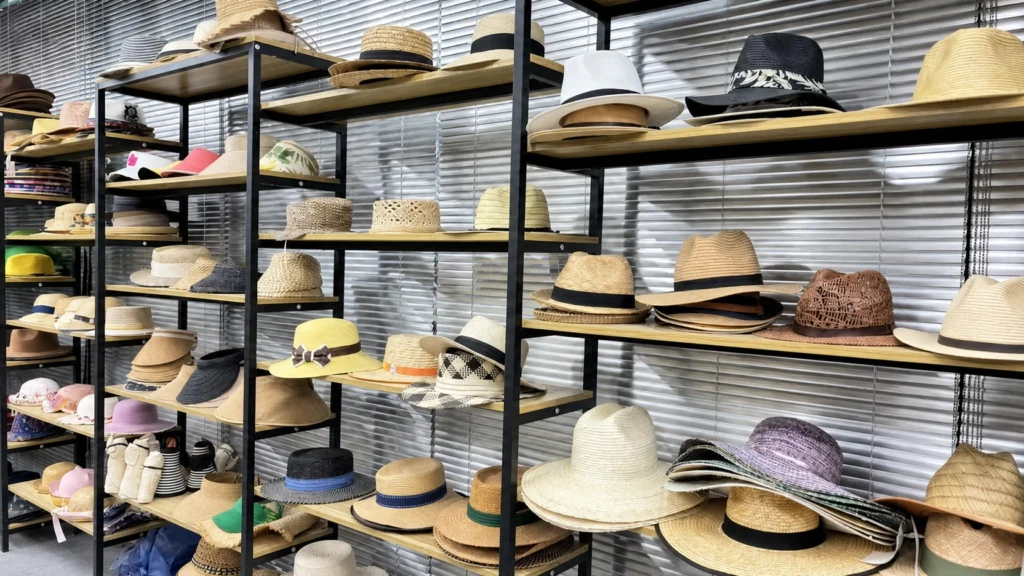
A request for “a custom straw hat with a logo” leaves room for different interpretations. Suppliers may assume different straw or mixed-weave materials, brim structures, sizing methods, logo techniques or packaging formats.
Common gaps include:
- Edge binding, chin cords and other trims
- Underbrim printing
- Woven or printed labels
- Barcodes, hangtags and inserts
- Individual packing and carton protection
- Sample and sample-freight costs
- Inspection or reporting requirements
Ask each supplier to mark what is included, excluded and still awaiting confirmation. This creates a clearer basis for evaluating wholesale hat proposals and supplier scopes without assuming that every supplier uses the same default scope.
2. MOQ and SKU splits can change the real inventory commitment
A low unit price may depend on a minimum quantity that does not fit the buyer’s intended assortment. “MOQ” should therefore be defined more precisely than one total number.
Confirm whether the minimum applies per order, style, color, size or logo version. Also ask which quantity tier supports the displayed unit price and whether combining variants changes that basis. An order of 1,000 hats in one configuration is operationally different from 1,000 hats divided across several colors, sizes and branding versions.
The commercial risk is not simply paying more per hat. Accepting a larger or less balanced assortment to reach a price tier can increase inventory exposure. Compare the quoted saving with the quantity the business can realistically launch, distribute or reorder.
3. Lead time needs a start point and milestones
Two suppliers may both quote the same number of production days while starting the clock from different events. One schedule may begin after deposit; another may begin only after materials, artwork and the physical sample are approved.
Ask each supplier to define:
- The conditions that start the production schedule
- Material or component dependencies
- Artwork and sample-approval deadlines
- The production-completion milestone
- The handoff point to the carrier or buyer
- How changes, failed approvals or reinspection affect the schedule
If the required in-hand date is commercially critical, document the escalation path and any agreed contractual remedy separately. Do not assume that an estimated lead time includes transport time or creates an automatic late-delivery penalty.
4. “Approved” needs a defined reference
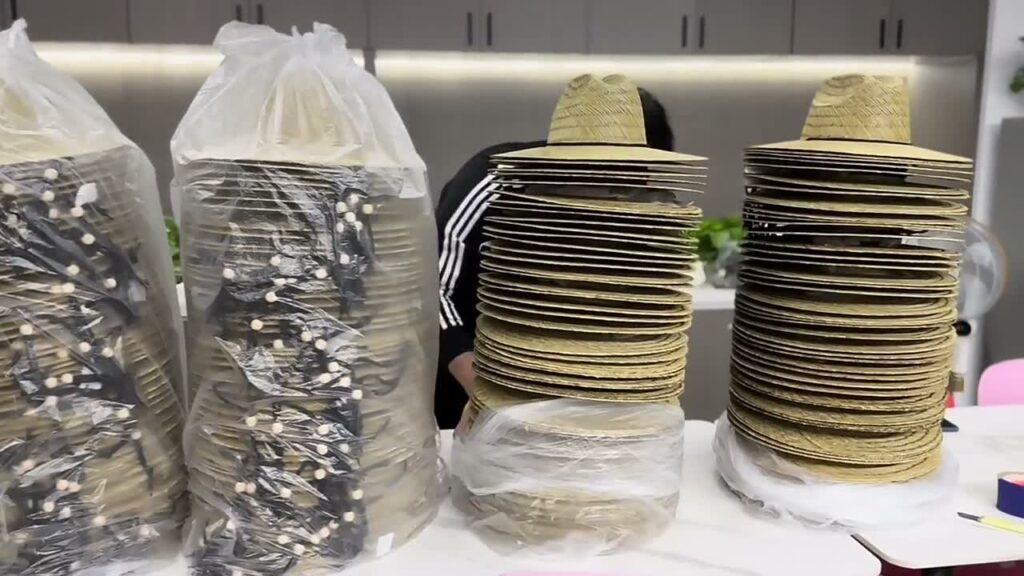
Approval may refer to a digital mockup, material swatch, decoration test, physical sample or pre-production reference. These are not interchangeable.
A digital mockup can help confirm artwork placement, but it cannot establish the physical texture, finished shape, brim behavior, fit or pack-out of the product. A quotation should therefore state:
- Which sample stages are included
- How many revisions are included, if any
- Which approved reference will govern bulk production
- How post-approval changes will be reviewed and priced
The purchase order should identify the approved specification, artwork and sample versions. TerraHats’ sample policy provides a useful framework for organizing these approval steps.
5. Quality scope affects both price and risk
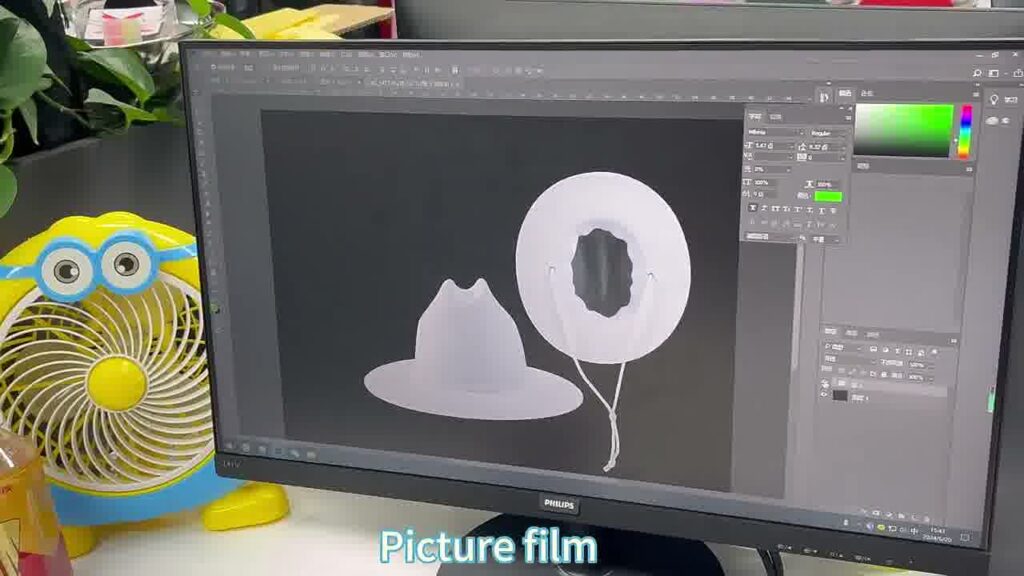
A lower quotation may include fewer prevention or appraisal activities, but that alone does not prove the finished products will have more defects.
The American Society for Quality groups cost of quality into prevention, appraisal, internal failure and external failure costs. In practical sourcing terms, testing or inspection omitted from the initial quotation may leave potential verification, sorting, rework or replacement work outside the quoted scope.
Define the required checks, their timing, who performs them and what record is expected. If acceptance sampling is used, document the applicable sampling plan, inspection level, defect classifications and Acceptance Quality Limits.
ISO 2859-1:2026 describes AQL-indexed sampling procedures for lot-by-lot inspection by attributes. An AQL is a parameter used to select and operate a sampling plan; it is not a guarantee that an accepted shipment contains a particular percentage of defects.
6. Communication quality is more than reply speed
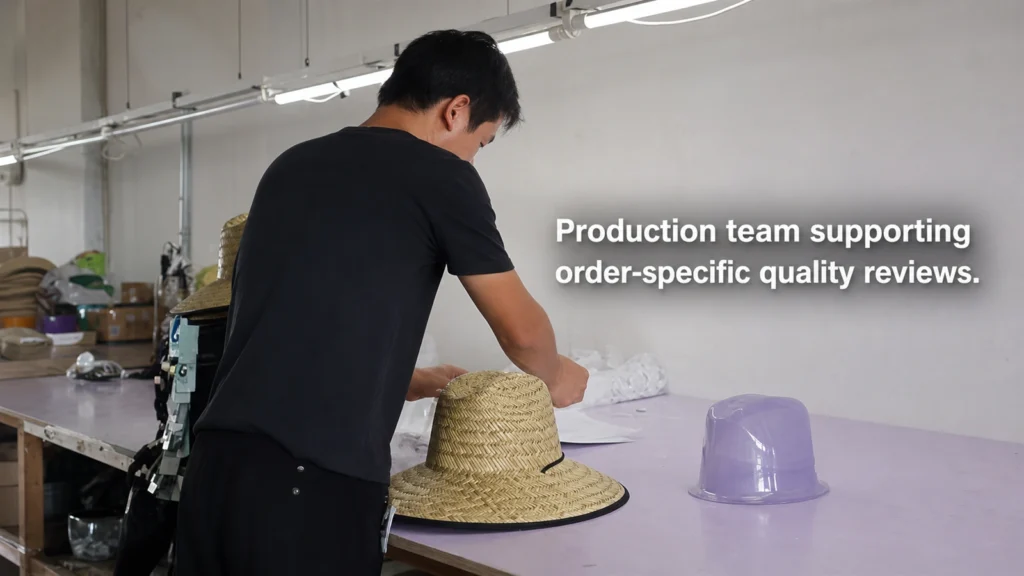
Custom orders create a trail of decisions: artwork changes, material substitutions, sample comments, size adjustments, label files and packing revisions.
When comparing suppliers, observe whether each one:
- Identifies missing inputs
- Separates confirmed details from proposals
- Records revisions and approvals
- Explains who coordinates technical questions
- Provides an escalation path when production differs from the approved reference
Fast replies can be helpful, but traceable decisions and version control matter more when several files or stakeholders are involved.
7. Rework responsibilities should be agreed in advance
Correction may involve replacing decoration, changing components, repacking goods, repeating an inspection or producing a revised sample. What is feasible—and who bears the cost—depends on the issue, production stage and commercial agreement.
Before production, agree on a basic process for:
- Documenting a suspected nonconformity
- Pausing affected work when appropriate
- Reviewing the cause and proposed corrective action
- Confirming rework, replacement or other agreed remedies
- Releasing the order after the required evidence is accepted
A proposal with clear recovery responsibilities may carry less commercial uncertainty than a cheaper proposal that leaves them undefined.
8. Unit price is not the same as landed cost
Incoterms® rules allocate defined delivery tasks, transport-related costs and risk between seller and buyer. They do not by themselves establish hat specifications, payment timing or method, transfer of title, or remedies for nonconforming goods.
Record the exact Incoterms® rule, named place and version. Then add the costs outside that boundary, as applicable:
- Origin handling
- Main freight
- Insurance
- Import duties and taxes
- Customs clearance
- Destination handling
- Inland delivery
Keep inspection, rework, replacement and schedule-contingency assumptions visible rather than hiding them inside a single landed-cost estimate.
Hypothetical example: normalize the scope before comparing price
The following simplified example is for comparison only. It is not a TerraHats quotation or an industry benchmark. Both proposals are converted to the same destination basis for an assumed order of 1,000 hats; actual product, inspection, freight, duty, tax and other costs require order-specific quotations.
| Cost component | Supplier A: lower headline quote | Supplier B: broader quote |
|---|---|---|
| Base product price | $4.50 per hat | $5.20 per hat |
| Sample development and freight allocation | $0.15 per hat | Included |
| Individual packing and barcode | $0.35 per hat | Included |
| Agreed pre-shipment inspection allocation | $0.10 per hat | Included |
| Logistics normalized to the same destination | $2.20 per hat | $2.00 per hat |
| Estimated normalized unit cost | $7.30 per hat | $7.20 per hat |
Supplier B is not automatically the better supplier, and Supplier A is not automatically riskier. The example shows only that a $4.50 headline price can become less competitive after missing scope is added. The buyer should still compare product conformity, schedule, evidence and contractual responsibility before awarding the order.
Destination-market requirements may also affect the comparison. In the United States, labeling, flammability and children’s-product obligations can vary by fiber content, product coverage and intended users. Ordinary non-wool headwear is generally outside the FTC Textile Rules, while wool hats are covered by the Wool Act; hats are excluded from the Care Labeling Rule. The 16 CFR Part 1610 flammability exclusion is limited to hats that do not cover the neck, face or shoulders. Children’s hats may also require component-specific compliance assessment.
In the EU, textile hats within the scope of Regulation (EU) No 1007/2011 must provide the required fibre-composition information, including before an electronic purchase. For consumer products offered to EU consumers online or through other distance-sales channels, Article 19 of the General Product Safety Regulation requires specified manufacturer, responsible-person, product-identification and applicable safety information.
These are not universal certification requirements. Ask what documents apply to the exact product, materials, users, market and sales channel, then verify them with the importer or a qualified adviser.
Buyer checklist before comparing quotations
- Send every supplier the same specification, artwork and quantity breakdown.
- Confirm MOQ and price breaks by style, color, size and logo version.
- Define the lead-time start event, approval milestones and shipment handoff.
- Separate mandatory requirements from optional upgrades.
- Record all assumptions, inclusions, exclusions and unresolved items.
- Define the approved reference for bulk production.
- Align inspection, reporting and acceptance requirements.
- Match labels, unit packing, carton construction and shipping marks.
- State the Incoterms® rule, named place and version.
- Calculate landed cost using comparable logistics assumptions.
- Confirm communication ownership and escalation procedures.
- Agree how changes and nonconformities will be documented and resolved.
12 questions to ask each supplier
- Which specification and artwork versions form the basis of this quote?
- What is explicitly excluded?
- Which sample stages and revisions are included?
- Which approved reference will govern bulk production?
- Which checks and reports are included, and who is responsible?
- How will requested changes be recorded and priced?
- How will a production deviation be escalated?
- What MOQ and price tier apply to each style, color, size and logo version?
- What starts the quoted lead time, and which approvals or materials can change it?
- Which Incoterms® rule, named place and version apply?
- Which logistics tasks and costs remain with the buyer?
- Which changes would require confirmation or requotation?
Frequently asked questions
Does the lowest quote always mean lower quality?
No. A lower price may reflect efficiency, sourcing advantages or commercial competitiveness. Verify the scope before drawing conclusions about quality or overall value.
How can I compare custom hat suppliers fairly?
Send the same RFQ and files to each supplier, transfer their answers into one comparison table, resolve blank fields and normalize the delivery basis. Keep mandatory requirements separate from optional items.
Is inspection always included in the unit price?
There is no universal rule. Inspection should match the order and quality plan. Ask what is included, who performs it, what reporting is provided and whether third-party inspection is quoted separately.
What is the difference between unit price and landed cost?
Unit price is one input. Landed cost can also include freight, insurance, duties, customs services, destination handling and inland delivery, depending on the agreed delivery boundary. Use the same assumptions for every supplier.
Can I ask for one generic compliance certificate?
Usually not. Applicable evidence depends on the product, materials, intended users, destination market and sales channel. Confirm the exact requirement before asking a supplier to provide or arrange documentation.
Compare a complete supplier proposal
The best proposal is not automatically the lowest or highest. It is the one that covers the right product and commercial scope at an acceptable total cost and level of risk.
Already have one or more quotations? Share your RFQ, specification and a redacted breakdown of the quoted scope. TerraHats can use the same comparison fields to identify which product, approval, MOQ, schedule, packing, inspection and delivery assumptions still need to be aligned—without promising that the lowest or highest proposal is automatically the right choice.
Review TerraHats’ straw hat manufacturing approach or send your project information to request a complete, order-specific proposal.
Sources and Further Reading
- International Chamber of Commerce: Incoterms® 2020 Q&A
- International Trade Administration: Know Your Incoterms
- International Trade Administration: Pro Forma Invoice
- American Society for Quality: Cost of Quality
- ISO 2859-1:2026
- FTC: Labeling Requirements Under the Textile and Wool Acts
- U.S. Consumer Product Safety Commission: Clothing FAQ
- EU Regulation No 1007/2011 on Textile Fibre Names and Labeling
- EU General Product Safety Regulation