-
WhatsApp +86 15116118247
-
Any Questions info@terrahats.com
Order-Specific Quality Planning
Quality Control for Custom Hat Orders
Quality control begins with an approved product reference and clearly documented order requirements.
TerraHats reviews the applicable materials, measurements, branding, components, workmanship, packing, and inspection requirements for each custom hat project. The inspection scope is connected to the selected product, approved sample, and purchase requirements rather than a generic quality promise applied to every order.
Approved Specification Reference
Product-Specific Checkpoints
Order-Specific Inspection Scope
Packing & Record Review
Quality Starts With an Approved Specification
A product cannot be inspected consistently until the applicable requirements have been defined.
Before bulk production, the selected hat, materials, measurements, branding, components, labels, and
packing requirements should be connected to an approved reference. Depending on the project, that
reference may include a physical sample, specification sheet, artwork file, measurement table, color
reference, or buyer-provided inspection checklist.
packing requirements should be connected to an approved reference. Depending on the project, that
reference may include a physical sample, specification sheet, artwork file, measurement table, color
reference, or buyer-provided inspection checklist.
Materials & Color Direction
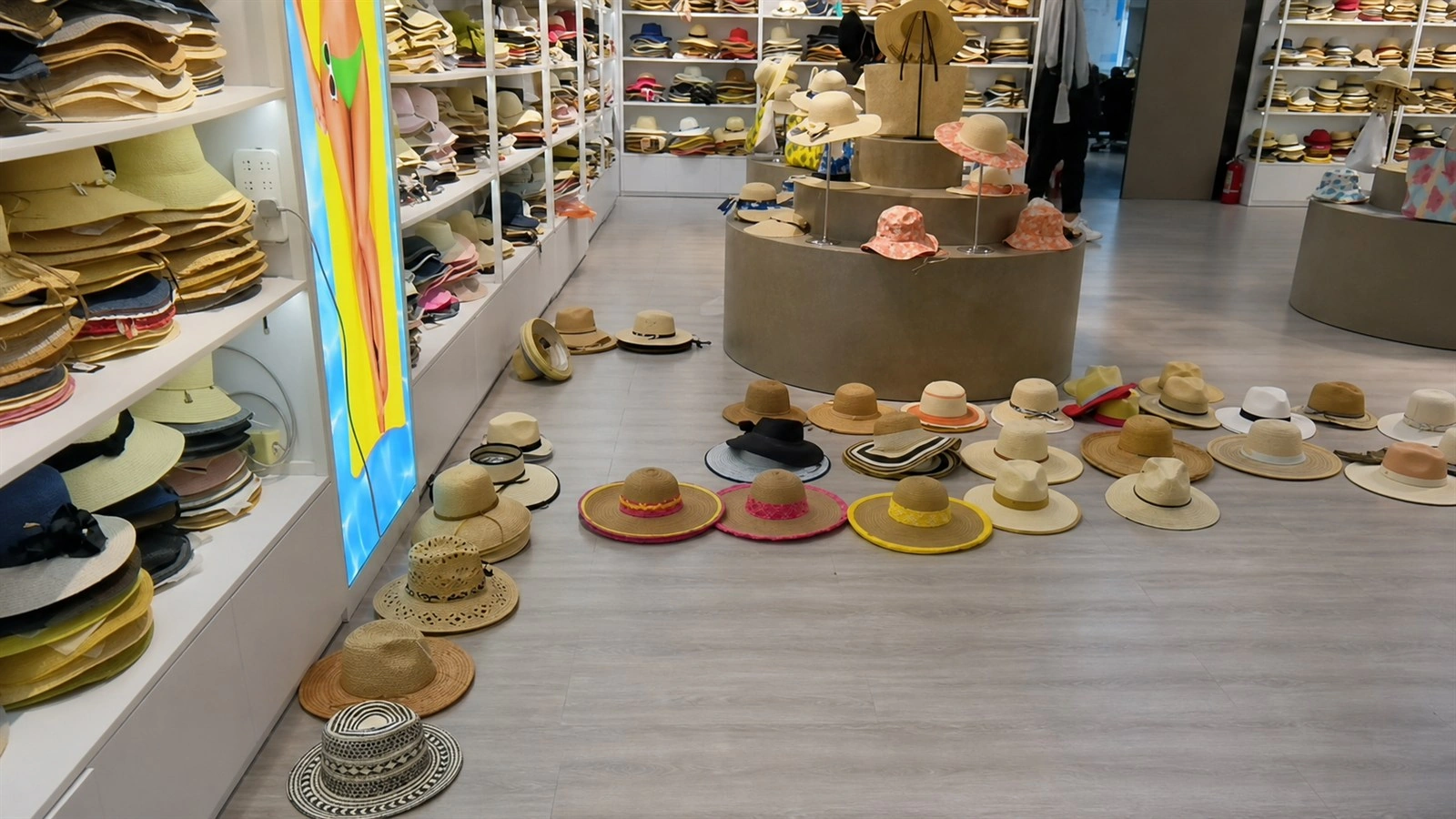
Natural materials may not reproduce color and surface texture in the same way as uniform synthetic materials. Appearance-sensitive requirements should therefore be discussed during sample review.
Measurements & Tolerances
The applicable measurement points should be defined for the selected product, and all specification documents express dimensions in inches (in.).
Measurement tolerances should not be assumed from a general website statement. Any required tolerance must be confirmed in the applicable product or order documentation.
Branding & Artwork
The approved artwork should identify the correct file version, size (in inches), position, orientation, color direction, and application method. Buyers can review available customization options before finalizing the applicable artwork and product specification.
A digital mockup can help define placement and direction, but it does not replace physical sample approval when material, color, texture, or construction needs to be evaluated.
Quality Control Checkpoints From Sample to Shipment
Quality checks should follow the approved product and order requirements through the relevant
stages of the project.
stages of the project.
Not every check applies at every stage or to every product. The final inspection plan should identify the
responsible party, reference documents, inspection stage, sampling method, acceptance criteria, and
required records.
responsible party, reference documents, inspection stage, sampling method, acceptance criteria, and
required records.
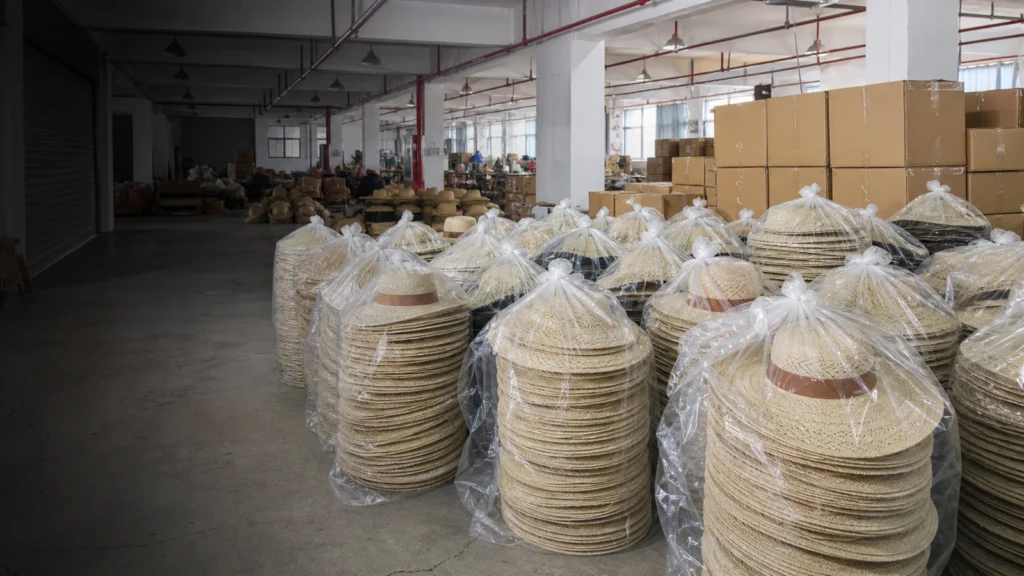
1. Requirement Review
The available buying brief, reference product, artwork, measurements, materials, labels, packing instructions, and quality requirements are organized before sample development or production planning.
Review Focus
Buyer Preparation: Provide the latest artwork, product reference, known measurements, order quantity, destination, and any buyer-specific inspection instructions.
2. Sample & Specification Approval
The applicable sample is compared with the written product requirements before it becomes the reference for bulk production.
Review Focus
Sample approval establishes the agreed product reference. It does not mean that every natural texture or material feature will be visually identical across the entire bulk order. Review the sample approval process before confirming the reference for production.
3. Material & Component Review
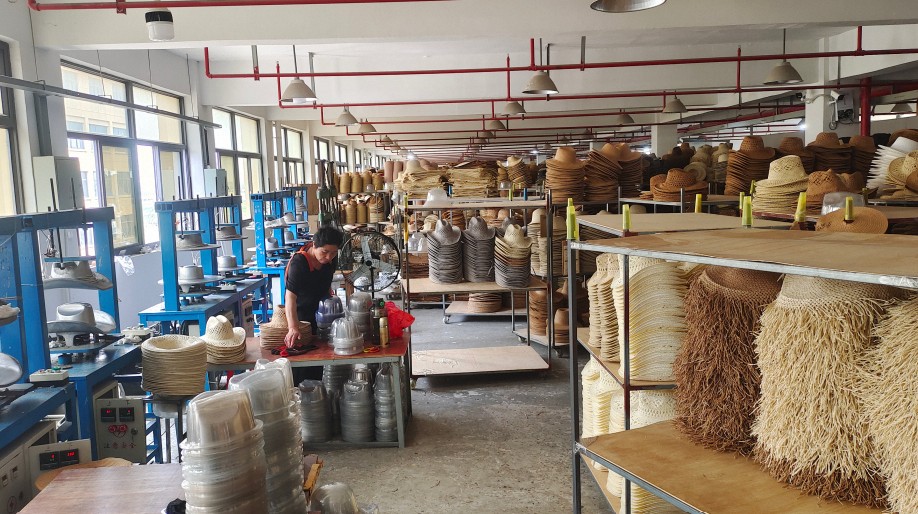
Specified materials and components are checked against the approved project direction where applicable.
Review Focus
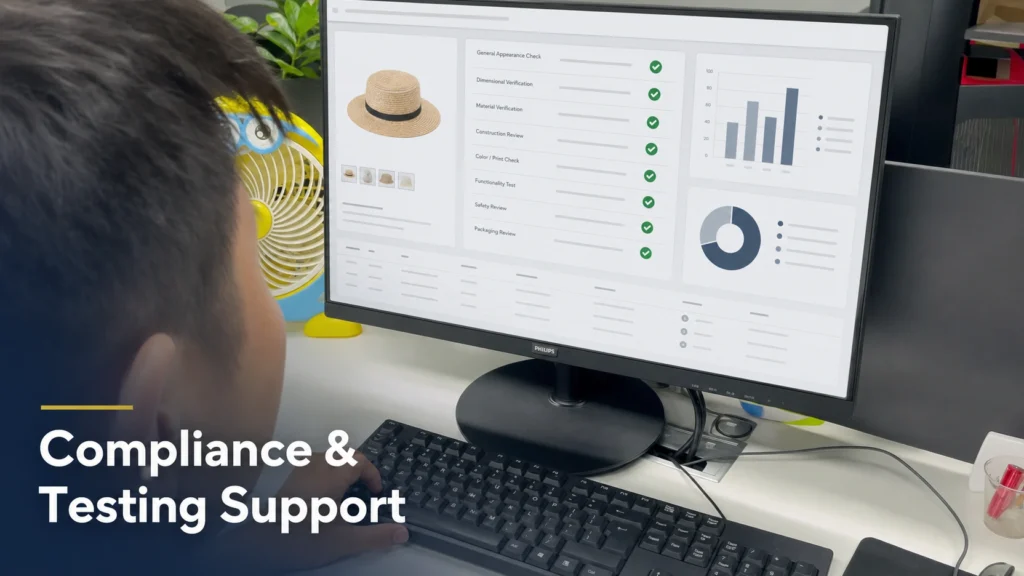
Where composition, restricted-substance documentation, performance testing, or market-specific evidence is required, review the applicable compliance and testing support before materials and product claims are finalized.
4. In-Production Checks
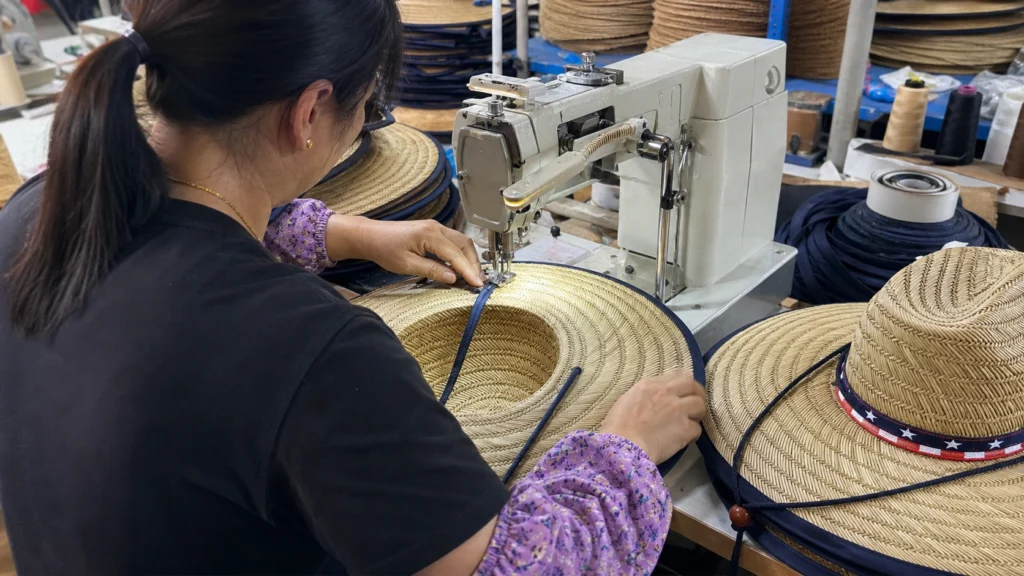
Production-stage checks can be planned around requirements that are important to consistency and difficult to correct after completion.
Review Focus
The actual check frequency and sampling scope are confirmed according to the product, quantity, production process, and agreed order requirements.
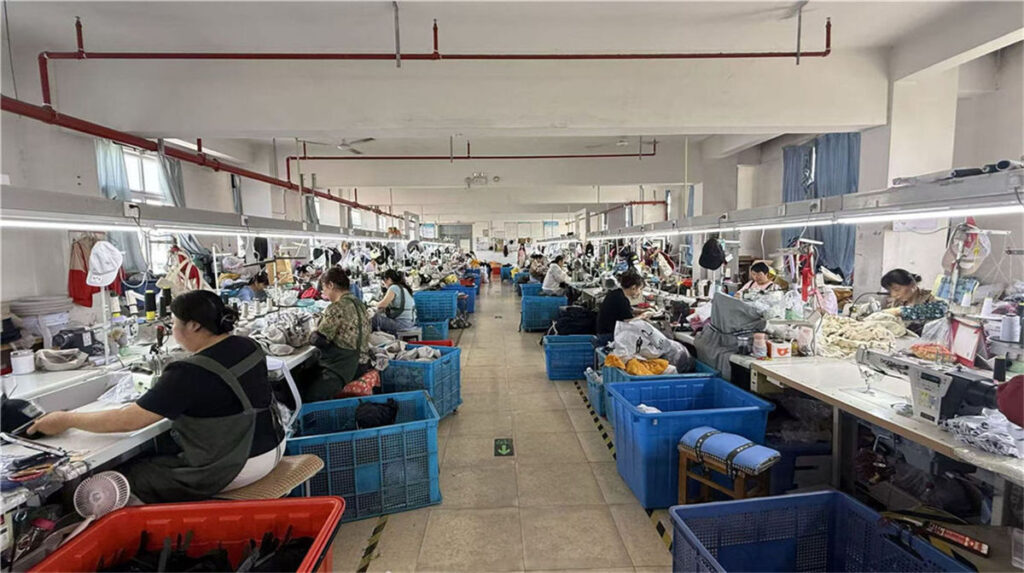
5. Final Product Inspection
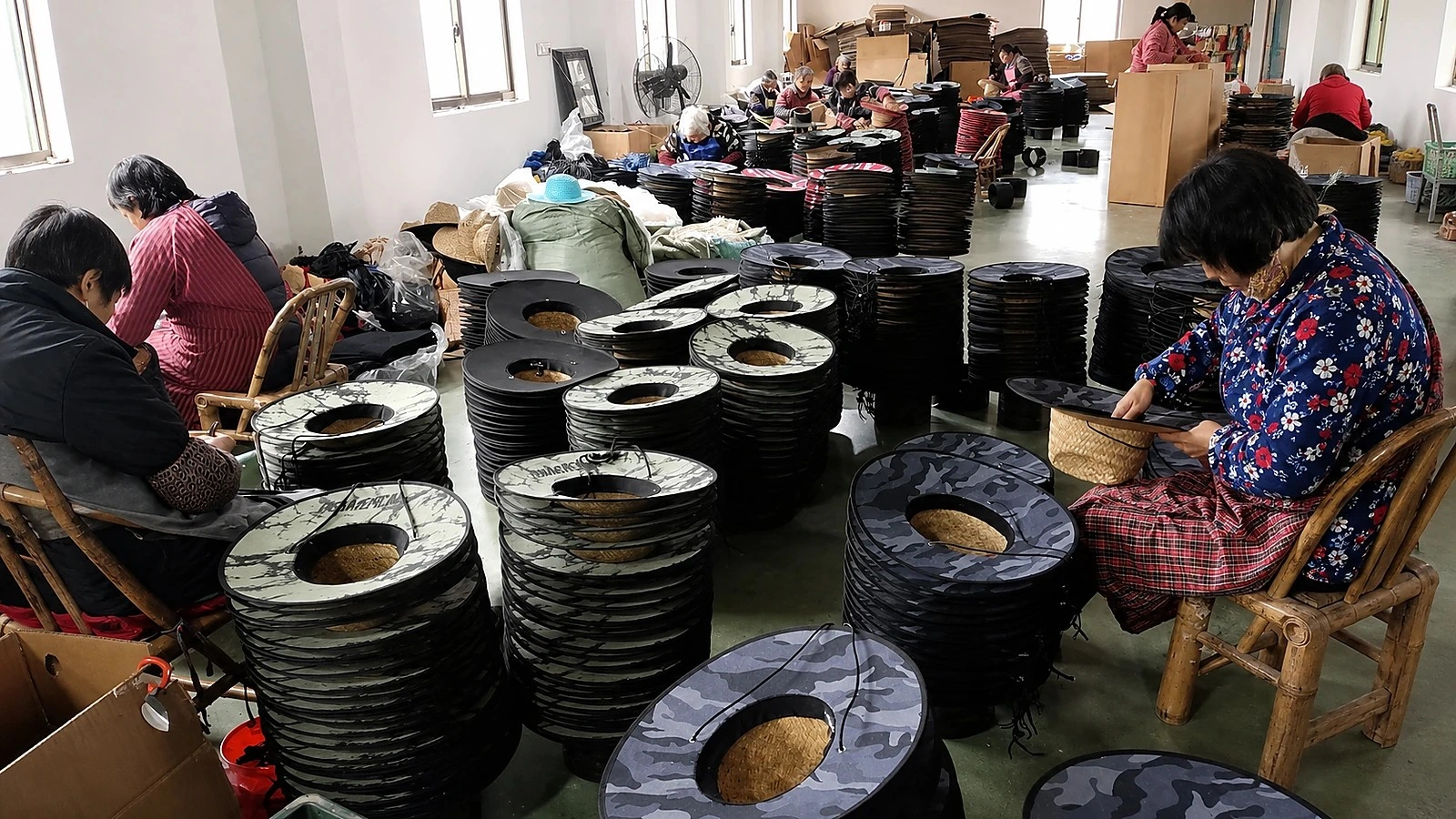
Finished products are reviewed against the agreed inspection reference and acceptance requirements.
Review Focus
A final inspection does not replace product testing or market-specific compliance review when separate testing or documentation is required.
6. Packing & Release Review
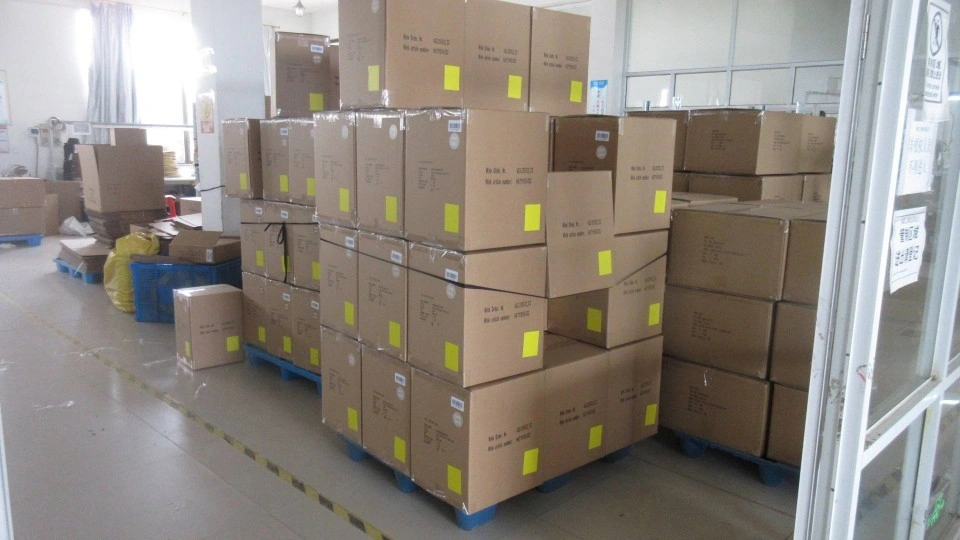
Packing and order records are reviewed against the confirmed shipment requirements before dispatch arrangements are completed.
Review Focus
Shipment release and commercial disposition remain subject to the applicable purchase agreement, inspection result, and buyer confirmation requirements.
Inspection Criteria by Order Stage
The matrix below shows how different quality topics may connect to different project stages. It is a planning
guide, not a promise that every listed check is performed at every stage.
guide, not a promise that every listed check is performed at every stage.
| Inspection Topic | Sample Approval | Material / Pre-Production | Production | Final Product | Packing / Shipment |
|---|---|---|---|---|---|
| Product construction | ✓ | — | ✓ | ✓ | — |
| Measurements and fit | ✓ | — | ✓ | ✓ | — |
| Material and color direction | ✓ | ✓ | ✓ | ✓ | — |
| Logo and decoration | ✓ | ✓ | ✓ | ✓ | — |
| Components and labels | ✓ | ✓ | ✓ | ✓ | ✓ |
| Visible workmanship | ✓ | — | ✓ | ✓ | — |
| Quantity and SKU allocation | — | — | — | ✓ | ✓ |
| Individual packing | ✓ | ✓ | — | ✓ | ✓ |
| Carton marks and packing count | — | ✓ | — | ✓ | ✓ |
| Required inspection records | ✓ | ✓ | ✓ | ✓ | ✓ |
Applicable checkpoints are selected according to the approved product specification and order requirements. A checkmark
indicates a possible review stage, not a universal inspection commitment.
indicates a possible review stage, not a universal inspection commitment.
Managing Natural Material Variation
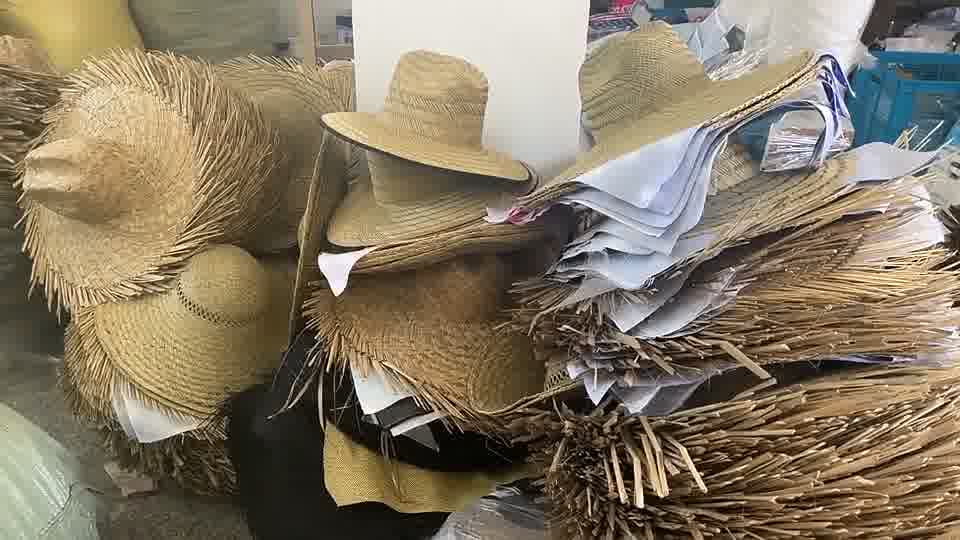
Natural woven materials can display differences in color, texture, fiber width, surface character,
weave density, and flexibility.
weave density, and flexibility.
These differences should be managed through an approved sample, written appearance requirements, and
agreed acceptance references. They should not be managed through an unsupported promise that every item
will look identical.
agreed acceptance references. They should not be managed through an unsupported promise that every item
will look identical.
Natural Characteristics to Define During Sampling
The sample review should identify which natural characteristics are acceptable for the selected product and market.
The presence of natural variation does not automatically determine whether a product is acceptable. The decision should be based on the approved product direction and the agreed requirements for the order.
Appearance Requirements That Need Clear References
Requirements should be documented when the buyer needs tighter control over:
Approved Variation
A visible difference that remains within the product direction, approved sample range, or agreed written requirement.
Needs Review
A difference that may affect the approved product identity, measurement, function, branding, workmanship, packing, or buyer-defined appearance requirement.
The final classification cannot be determined by a generic website example alone. Product-specific examples should be reviewed and approved by the responsible production and quality personnel before publication.
How Quality Issues Are Reviewed
When a product or packing result appears inconsistent with the approved requirement, the issue should be
identified and reviewed before a final disposition is confirmed. These review steps form part of the broader
production controls described in our hat factory capability information. The applicable responsibilities and
records are confirmed for the individual order.
identified and reviewed before a final disposition is confirmed. These review steps form part of the broader
production controls described in our hat factory capability information. The applicable responsibilities and
records are confirmed for the individual order.
Step 1
Identify
Identify the affected product, component, SKU, carton, or production stage.
Step 2
Separate
Keep the affected items distinguishable from products awaiting review or already accepted, where operationally applicable.
Step 3
Record
Record the visible issue, affected quantity or observed scope, reference requirement, and supporting photos or measurements where required.
Step 4
Compare
Compare the result with the approved sample, specification, artwork, measurement table, packing instruction, or buyer-provided inspection standard.
Classify Where Required
Defect classifications should be agreed according to the product, destination requirements, buyer standards, and intended use. A visible difference should not automatically be classified as a defect without comparison with the approved requirements.
Critical Defect
A condition that may create a safety or regulatory risk, make the product unsafe for its intended use, or violate an explicitly agreed critical requirement.
A condition that may create a safety or regulatory risk, make the product unsafe for its intended use, or violate an explicitly agreed critical requirement.
Major Defect
A deviation that may significantly affect product use, identity, main appearance, or retail saleability.
Minor Defect
A limited finishing or cosmetic issue that does not materially affect safety, function, product identity, or main retail appearance.
Defect examples are illustrative. Final Critical, Major, and Minor classifications, AQL values, and acceptance limits must be defined in the approved inspection standard or order documentation.
Natural material variation is not automatically classified as a Minor defect. It should first be compared with the approved sample, appearance range, and written product requirements.
Step 6
Evaluate
Determine whether the result falls within the agreed product direction or requires correction, rework, replacement, further inspection, or buyer review.
Step 7
Confirm Disposition & Recheck
Confirm the applicable disposition through the agreed commercial and quality process. Where correction or rework is approved, the relevant result may need to be checked again before release.
Commercial Boundary
Corrective action, replacement, rework, shipment release, refund, or other commercial remedies are determined according to the order circumstances and applicable purchase agreement. This page does not create a universal compensation or zero-defect guarantee.
QC Records & Sample Inspection Report
The useful quality record depends on the product, inspection scope, buyer requirements, and stage of the
order. A report should show what was inspected, which reference was used, how the inspection was
conducted, and what result was recorded. A generic certificate or quality badge does not provide the same
order-level information.
order. A report should show what was inspected, which reference was used, how the inspection was
conducted, and what result was recorded. A generic certificate or quality badge does not provide the same
order-level information.
Product & Order Reference
Measurement Record (in inches)
Branding & Workmanship Record
Packing Record
Issue & Disposition Record
Sample QC Report Preview
A public sample should be clearly labeled as one of the following:
Redacted Sample Inspection Record
Blank Hat Inspection Template
Buyer Quality Planning Template
Customer names, prices, order numbers, personal information, proprietary artwork, and other confidential information must be removed before publication.
Sample documents illustrate possible record fields. The actual inspection scope, report format, and document availability are confirmed for each order.
Working With Buyer-Nominated Inspection Companies
Buyer-nominated third-party inspection can be discussed during order planning.
The buyer, TerraHats, and the appointed inspection company should confirm the inspection scope,
applicable documents, product readiness, timing, costs, access arrangements, and responsible parties before
the inspection date.
applicable documents, product readiness, timing, costs, access arrangements, and responsible parties before
the inspection date.

1. Define the Inspection Requirement
2. Confirm Product Readiness
The production and inspection parties should confirm whether the agreed quantity, SKU allocation, packing status, and reference documents will be available for the planned inspection.
3. Prepare the Inspection References
Factory-Held Approved Reference Sample
If the buyer’s inspection protocol requires a signed or sealed Golden Sample, that requirement should be confirmed before production and recorded in the purchase or inspection documentation.
If no physical approved sample is available at the factory, the inspection references should identify which specification, artwork, measurement table, reference images, or other approved documents will be used instead.
A signed or sealed Golden Sample is not assumed for every project. The required physical and documentary references are confirmed according to the order and inspection instructions.
4. Conduct the Inspection
The appointed inspection party conducts the agreed checks and sampling according to its instructions and the confirmed inspection scope. Any facility-access, photography, document-handling, or product-selection requirements must be agreed before the inspection.
5. Review the Report
The inspection company issues its report according to the agreed arrangement. The buyer and supplier then review the result against the purchase requirements and confirm the applicable disposition.
Third-Party Inspection Scope Note
TerraHats does not present an inspection company as an official partner unless a current relationship, public-reference permission, and trademark authorization have been verified. Company names and Logos such as SGS, QIMA, Bureau Veritas, or other inspection providers should not appear as trust badges. If a buyer nominates a specific company, the arrangement should be treated as an order-specific inspection request.
Plan the Quality Requirements for Your Order
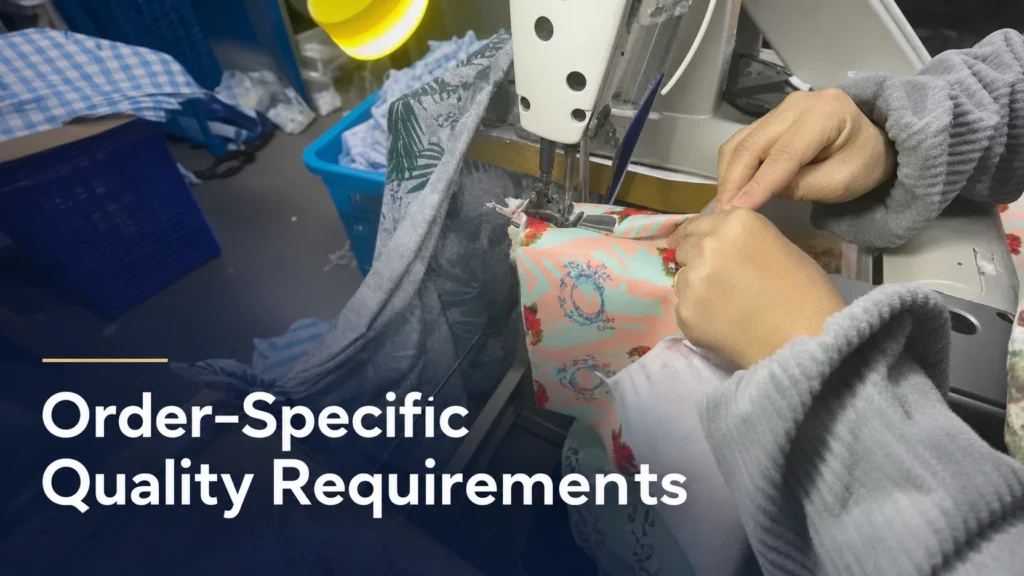
Quality planning is more effective when the critical requirements are identified before sampling
and bulk production.
and bulk production.
You do not need to prepare every detail before making initial contact. Start with the information currently
available and identify which requirements still need to be developed.
available and identify which requirements still need to be developed.
Product Information
Customization Information
Quality Information
Packing Information
Buyers preparing commercial quantities can also review how quality requirements connect with MOQ,
packing, and shipment planning on the wholesale hats page.
packing, and shipment planning on the wholesale hats page.
Start With the Essentials
For an initial review, provide:
1. Product type
2. Estimated quantity
3. Project stage
4. Available artwork or reference
5. Main quality concern
6. Destination market
Additional measurements, acceptance criteria, and inspection instructions can be reviewed as the project develops.
Custom Hat Quality Requirement Sheet
Use the downloadable planning sheet to organize product, measurement, branding, inspection, and packing requirements before sample approval or bulk production.
Completed your quality requirements sheet? Contact our team to confirm the appropriate way to share the file for project review.
No final specification yet? Send the product type, estimated quantity, artwork or reference image, and your main quality concerns first. Additional requirements can be reviewed as the project develops.
Quality Control FAQ
What Is Used as the Inspection Reference?
The inspection reference should be identified in the order documentation. Depending on the project, it may include an approved physical sample, specification sheet, artwork file, measurement table, color reference, packing instruction, or buyer-provided inspection checklist.
The latest approved version should be clear before production and inspection begin.
Is Every Order Inspected in the Same Way?
No. The appropriate inspection scope depends on the product, construction, materials, customization, quantity, buyer requirements, and project stage.
Sampling method, check frequency, acceptance criteria, report format, and responsible parties should be confirmed for the individual order.
Can We Provide Our Own Quality-Control Checklist?
Yes, a buyer-provided checklist can be reviewed during project planning.
The checklist should identify the product, inspection stage, reference documents, measurements, defect classifications, sampling instructions, acceptance criteria, and required report format. TerraHats will review the request before confirming the applicable inspection arrangement.
Can Measurements and Logo Placement Be Checked?
Measurements and Logo placement can be included in the agreed inspection scope where applicable.
The product measurement points, tolerance, Logo dimensions, placement reference, and inspection method should be recorded before production or inspection. Requirements should not depend on an approximate visual description alone.
How Are Natural Straw Variations Handled?
Natural woven materials may display reasonable differences in shade, texture, fiber appearance, weave density, and flexibility.
Appearance requirements should be discussed during sample review and connected to an approved reference. A generic website image cannot determine the acceptance standard for every product or order.
Does This Page Guarantee That an Order Will Have No Defects?
No. The purpose of the quality-control process is to define requirements, identify applicable checkpoints, record results, and manage deviations against an agreed reference.
This page does not create a zero-defect guarantee or replace the quality, inspection, acceptance, and remedy terms confirmed for the specific order.
Does Sample Approval Mean Every Bulk Item Will Be Identical?
No. Sample approval establishes the applicable product and specification reference. It does not mean that natural materials or production units will be visually identical in every detail.
Critical measurements, branding, construction, workmanship, and acceptable appearance ranges should be documented where consistency is important.
Do You Inspect Every Unit?
The inspection scope is confirmed per order. It may involve production-stage checks, final sampling, checks of specified items, or another agreed method.
100% inspection should not be assumed unless it has been specifically evaluated, agreed, and documented for the order.
Do You Support AQL-Based Sampling?
If your order requires an AQL-based sampling plan, provide the applicable standard, inspection level, AQL values, defect classifications, and responsible inspection party.
TerraHats will review the requirement and confirm the feasible sampling plan, acceptance criteria, inspection stage, records, timing, and costs in the order documentation. An AQL value is not applied by default to every order.
Where ISO 2859-1 is specified, the applicable edition and full sampling instructions should be identified. The currently published international edition is ISO 2859-1:2026, but the buyer’s contractual or inspection requirements must still be confirmed for the order.
Can We Nominate a Third-Party Inspection Company?
A buyer-nominated inspection can be discussed during order planning.
The inspection company, scope, product readiness, access requirements, sampling plan, documents, date, costs, report delivery, and responsible parties should be confirmed before inspection.
Can Inspection Records Be Reviewed Before Shipment?
Inspection or packing records can be discussed as part of the order and shipment plan.
Availability depends on the agreed inspection scope, record format, responsible inspection party, and timing. The required documents should be identified before inspection begins rather than requested only after shipment is ready.
Is Product Testing Included in Quality Inspection?
Quality inspection and product testing are different activities.
Quality inspection generally compares products and packing with approved order requirements. Product testing may evaluate material safety, chemical restrictions, durability, UPF, or another defined performance requirement using an applicable method.
Product testing, market requirements, and available documentation should be reviewed through our compliance and testing support process.
Define the Quality Requirements for Your Custom Hat Order
Share the selected style, artwork direction, quantity range, sizing plan, packing method and delivery requirements so feasibility, MOQ, sampling and production arrangements can be confirmed for your event.
What we’ll need
- Quantity
- Branding
- Sample Type
- Timeline
- Destination
Estimated order range or target bulk quantity
Patch, under-brim print, trim, label, or blank sample
Blank sample, logo sample, or under-brim sample
Target delivery window
Shipping country/region and packing needs