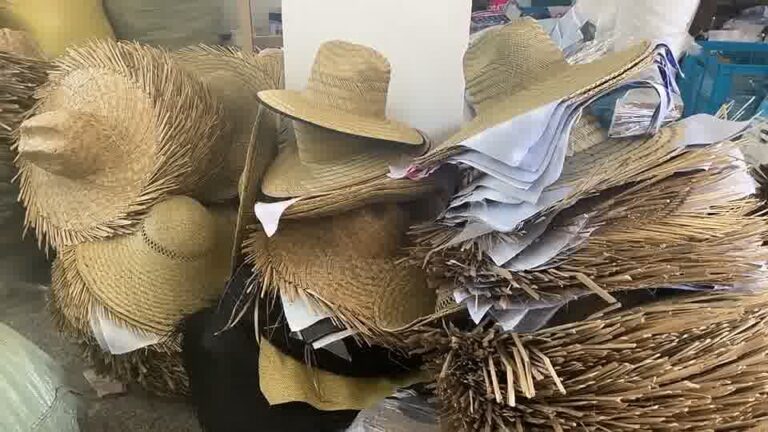
-
WhatsApp +86 15116118247
-
Any Questions info@terrahats.com
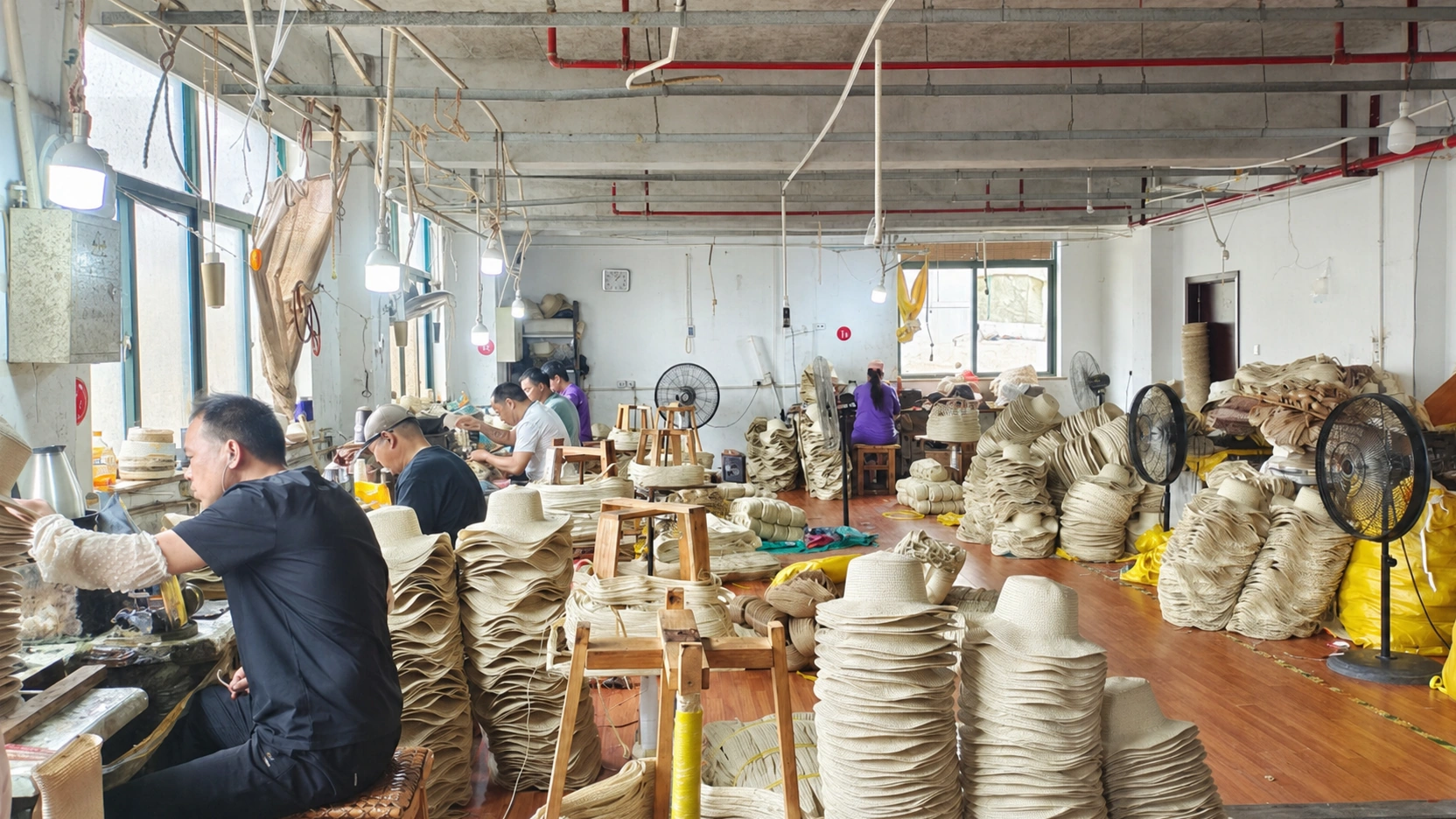
Why Factory and Trading Company Quotes Differ
Compare factory and trading company quote structures by responsibility, subcontracting, process visibility, quality evidence and service scope.

Factory and trading company quotes differ because a quotation is more than a unit price. It combines a production scope, service work, quality responsibilities, trade terms, and an allocation of commercial risk.
A factory may quote mainly for the product and the manufacturing work it controls. A trading company or another intermediary may include supplier coordination, order handling, document preparation, inspection support, logistics coordination, financing, inventory, or other services. A factory can also offer some of these services, while an intermediary may provide only a limited scope.
The label therefore does not explain the price by itself.
For a useful hat factory vs trading company comparison, align the product specification first. Then identify who is responsible for production, approvals, quality evidence, documents, delivery, and problem resolution.
The practical question is not “Which supplier type is better?” It is “What responsibilities and evidence sit behind this quotation?”
Table of Contents
Like-for-Like Supplier Comparison Table
Use this table to place factory and trading company quotes on the same basis before evaluating them.
| Comparison field | What the quotation should clarify | Evidence or question to request |
|---|---|---|
Contracting party [Legal Risk] | Which legal entity sells the goods and accepts the order | Quotation issuer, contract entity, and payment beneficiary |
Production ownership [Accountability Risk] | Who carries out the main manufacturing work | Production-site information and a clear description of the supplier’s role |
Subcontracting [Quality Risk] | Which components or processes involve other suppliers | Outsourced scope and responsibility for approval and control |
Specification control [Product Risk] | Which product, artwork, and packing requirements are included | Current specification, approved reference, and change record |
Communication [Execution Risk] | Who turns buyer requirements into production instructions | Named contact, review process, and approval method |
Quality evidence [Acceptance Risk] | Who checks the order and what records are supplied | Inspection scope, reference, responsible party, and report format |
Export and logistics [Landed-Cost Risk] | Which documents and transport tasks are included | Document list, Incoterm, named place, and exclusions |
Escalation [Recovery Risk] | Who acts when a defect, delay, or document issue occurs | Escalation contacts, decision authority, and agreed process |
Quote validity [Price Risk] | Which assumptions can change the offer | Validity date, currency, exclusions, and requotation triggers |
This exercise may show that one supplier includes work the other leaves to the buyer. It may also show that an apparently broader offer contains optional services the buyer does not need.
The table does not rank factories and trading companies as categories. It makes their quoted responsibilities visible.
1. Start With Production Ownership
“Factory” can describe an organization that performs manufacturing, but the word does not tell the buyer which operations happen at a particular site.
“Trading company” can describe an organization that sells or coordinates goods produced by other parties, but the label does not show how much technical, quality, logistics, or commercial work it performs.
Some suppliers combine both functions. A manufacturer may produce the main hat body while purchasing raw materials, labels, patches, packaging, or specialist services. An intermediary may coordinate one principal factory or several suppliers for a wider program.
Separate the supplier label into four questions:
- Who is the contracting seller?
- Who performs the main manufacturing work?
- Which components or processes involve other suppliers?
- Who remains accountable for the finished order?
Production ownership can affect visibility and communication, but it should not be treated as proof of price advantage, capability, or quality. Those conclusions require project-specific evidence.
2. Treat Subcontracting as a Control Question
Subcontracting is not limited to trading companies. A factory may buy materials and components, use a specialist decoration provider, or arrange external testing. An intermediary may coordinate several production partners.
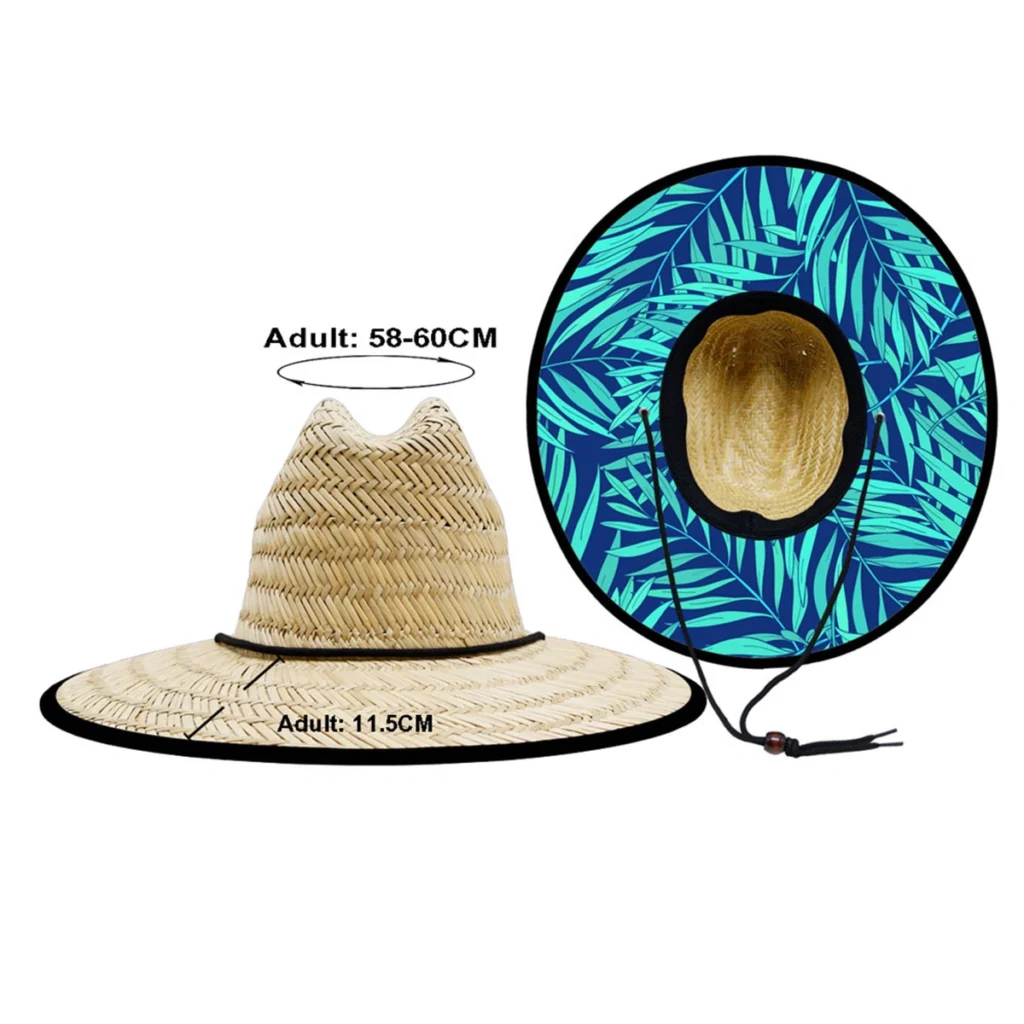
In headwear production, the boundary can vary by style and order. For a custom cap, ask whether brim shaping, embroidery, patch application, sweatband installation, closures, labels, and retail packing are completed by the quoted facility or assigned to specialist partners. For a straw hat, the same question may apply to the hat body, shaping, brim binding, printed under-brim panels, chin cords, labels, and final packing. These examples are review points, not assumptions about how a particular supplier operates.
The presence of an outsourced process does not show whether an order is well controlled. The buyer needs to know whether the process is identified, whether requirements reach the responsible party, how changes are approved, and who remains accountable.
ISO and IAF auditing guidance discusses outsourced processes within a quality-management-system context. It indicates that outsourcing does not automatically place an influential process outside the organization’s control responsibilities. This is not a universal contractual rule, but it provides a useful supplier-review principle: identify outsourced work and ask how it is controlled. ISO/IAF Auditing Practices Group guidance
Ask each supplier:
- Which steps are performed by the quoted organization?
- Which materials, components, or processes come from partners?
- Can a source or process change after sample approval?
- Who approves a substitution?
- How are updated requirements passed to the production party?
- Who reviews the result of outsourced work?
- Who manages corrective action if it does not match the approved requirement?
A statement such as “strict supplier control” does not answer these questions. The quotation or supporting documents should define the responsibility boundary.
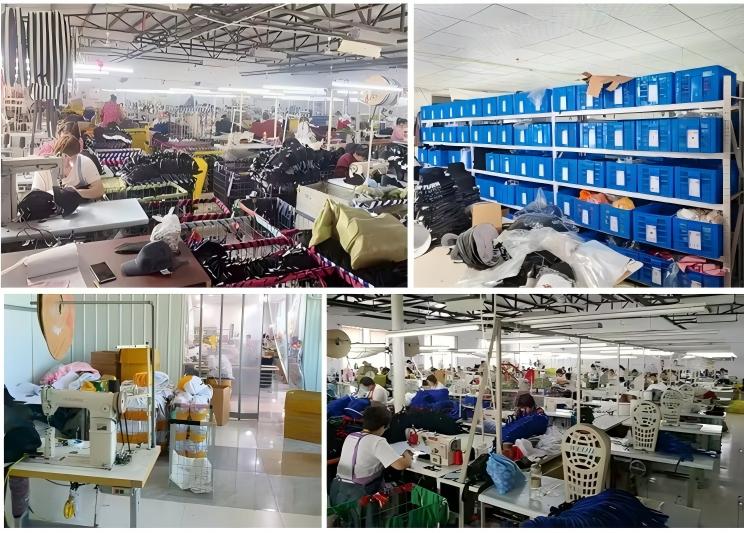
3. Compare Communication and Specification Control
Direct factory communication can reduce the number of people in a conversation, but fewer communication layers do not guarantee better technical control.
A capable intermediary may add value by turning a commercial brief into production instructions, coordinating several suppliers, consolidating updates, or preparing documents. That value should be recognized only when the process and quoted scope make it visible.
Government export guidance describes agents and distributors as routes with different functions and levels of control. Although those roles are not identical to every trading company, the guidance supports a broader sourcing principle: the appropriate structure depends on the work and responsibility required, not on a universal ranking. UK Department for Business and Trade guidance
For a custom hat order, communication should result in controlled project information, such as:
- A current product specification
- Approved artwork and placement details
- Material, color, size, trim, label, and packing requirements
- A sample-approval record
- A dated change log
- A list of unresolved decisions
- Written approval for substitutions or post-quote changes
Hat specifications should also identify the physical references that matter for the selected style. Depending on the order, these may include crown shape, brim width and stiffness, head circumference, panel construction, closure type, sweatband material, decoration size and placement, patch edge finish, label position, and packing support used to protect the shape. The supplier should state which of these details are fixed by an approved sample, which are controlled by measurements or artwork, and which remain subject to agreed material variation.
ISO guidance on documented information discusses maintaining information needed to support processes and retaining evidence of results. It does not prescribe one documentation package for every supplier, but it reinforces a practical point: important order decisions should not depend only on memory or scattered messages. ISO guidance on documented information
A useful contact should be able to explain how the buyer’s requirements become approved instructions for sampling, production, inspection, and packing.
For a broader view of the product-development inputs that may need control, review TerraHats’ custom hat manufacturing options.
4. Ask for QC Evidence, Not QC Slogans
Factories and trading companies may both use phrases such as “strict QC” or “professional inspection.” These descriptions do not define what will happen on a particular order.
At the quotation stage, ask for a concise quality-responsibility statement:
- What product and order details are checked?
- At which stage are checks performed?
- Who performs or arranges them?
- Which approved reference is used?
- What record or report is included?
- Who reviews a nonconforming result?
- Can the buyer appoint an independent inspection provider?
Relevant evidence may include a dated checklist, measurement record, approved-reference details, product or carton photographs, nonconformity records, and an order-specific report.
The purpose here is not to design a complete inspection plan. It is to determine whether “QC included” represents a defined responsibility or only general marketing language.
A factory should not receive automatic credit for being close to production. A trading company should not receive automatic credit for claiming to have an independent QC team. Apply the same evidence questions to both.
5. Define the Escalation Path
A supplier’s operational role becomes clearer when something changes.
Consider a material shortage, an incorrect label, a missed approval, a decoration problem, a packing error, or a shipping-document discrepancy. The buyer needs to know:
- Who receives the issue?
- Who can stop, rework, replace, or release the affected goods?
- Who communicates with the production party?
- Who approves the corrective action?
- What evidence is needed?
- Who makes the final commercial decision?
A trading company may offer one commercial contact across several suppliers. A factory may provide more direct access to production. Either structure can be useful, but the benefit exists only when responsibilities and authority are clear.
Do not assume that a response-time, refund, replacement, credit, or compensation promise applies unless it is written into the relevant quotation, order terms, or agreement.
ISO 10002 offers general guidance for complaint-handling systems, but it does not determine the remedy for an individual order. Buyers and suppliers still need to define the applicable escalation and resolution process. ISO 10002 overview
6. Align Incoterms® Before Comparing Prices
Two suppliers may quote the same product under different delivery responsibilities. A quotation at the seller’s premises is not directly comparable with one that includes export handling, main transport, insurance, import coordination, or delivery closer to the buyer.
Record:
- The exact Incoterms® rule
- The named place, port, or destination
- The applicable version
- Any separately quoted service or cost
Incoterms® rules allocate specified delivery, cost, and risk responsibilities between seller and buyer. They do not replace the sales contract or settle every commercial issue. The ICC Incoterms® 2020 resources and ICC checklist can help buyers state the rule more precisely.
For example, a trade term without its named place or port leaves an important part of the delivery boundary unclear.
A trading company may include logistics coordination that a factory leaves to the buyer. A factory may also quote an inclusive delivery scope. Confirm the actual offer instead of inferring it from the supplier type.
7. Build an Estimated Landed-Cost View
Once the commercial boundary is aligned, build an estimated landed-cost view. Depending on the shipment, it may include:
- Product and packing
- Origin transport and export handling
- Freight
- Insurance
- Tariffs or duties
- Taxes
- Customs or brokerage charges
- Destination handling
- Delivery to the receiving location
- Other project-specific fees
A simple comparison model is:
Estimated Landed Cost
= Quoted Product Cost
+ Packaging and Origin Handling
+ Freight and Insurance
+ Import Duties and Taxes
+ Customs, Brokerage, and Destination Charges
+ Inland Delivery to the Receiving Location
For internal sourcing decisions, buyers may also track a separate contingency allowance for inspection, rework, replacement, or schedule recovery. Keep that allowance separate from the customs landed-cost calculation so the team can distinguish expected transaction costs from order-risk planning.
An origin-based quote may look lower because it stops before several of these cost lines. A destination-inclusive quote may look higher because it carries more logistics responsibility. Neither result proves that a factory or trading company is cheaper; it shows why the commercial boundary must be normalized first.
The U.S. International Trade Administration advises exporters to account for product costs, transport, insurance, tariffs, taxes, and other fees when determining a total export price. ITA export-pricing guidance
This is an estimate, not a guarantee of the final import cost. Applicable charges depend on the product, route, destination, classification, and transaction.
Request an itemized quotation and mark each element as:
- Included
- Excluded
- Estimated
- Buyer-arranged
- To be confirmed
Commercial invoices, packing lists, transport documents, certificates of origin, and other records may be relevant depending on the shipment. Confirm which documents apply and who prepares them. ITA guide to common export documents
For more context on order variables that should be confirmed before quoting, see TerraHats’ wholesale hat planning guidance.
Questions to Ask Every Hat Supplier
Use the same checklist for a factory, trading company, sourcing agent, or hybrid supplier.
Production and responsibility
- Which legal entity will issue the quotation, accept the order, and receive payment?
- Where will the main manufacturing work take place?
- Which materials, components, or processes involve other suppliers?
- Who approves substitutions and process changes?
- Who remains accountable for the finished order?
Specification and approvals
- Which specification and sample will control production?
- How will artwork, dimensions, colors, labels, and packing be recorded?
- How are revisions dated and approved?
- Which details remain assumptions or open decisions?
- What change would require a new sample, schedule review, or quotation?
Quality and escalation
- What QC responsibilities and records are included?
- Who performs or arranges the checks?
- Who reviews a nonconforming result?
- Who can approve corrective action?
- How are unresolved problems escalated?
Commercial scope
- Which services are included beyond production?
- Are sampling, reporting, documents, freight, insurance, or consolidation separate?
- Which Incoterms® rule, named place, and version apply?
- How long is the quotation valid?
- Which exclusions could change the estimated landed cost?
A Three-Layer Decision
Read the final supplier comparison in three layers.
First, align the product. Make sure each supplier is quoting the same approved product and order requirements.
Second, align the commercial boundary. Confirm the Incoterm, named place, documents, logistics work, and included services.
Third, compare the responsibility system. Identify who controls production information, provides evidence, approves changes, and resolves problems.
A buyer with established inspection, logistics, and supplier-management resources may prefer a narrower service scope. Another buyer may need one organization to coordinate more of the process. The suitable structure depends on the project and the buyer’s internal capabilities.
The objective is not to select a supplier by label or to purchase every available service. It is to make sure each important responsibility has a clear owner.
Review TerraHats With the Same Standard
When evaluating TerraHats, compare the confirmed production boundary, included services, inspection and reporting scope, packing requirements, Incoterm, and escalation path against the same checklist used for other suppliers.
Project terms should be confirmed only after the hat style, estimated quantity, customization, destination, and required schedule have been reviewed.
Review TerraHats production evidence or share your project requirements for a scope-based discussion.
Frequently Asked Questions
Is buying directly from a hat factory always cheaper?
No. The comparison depends on the quoted product, included services, trade terms, and responsibilities. Align the scope before comparing prices.
Does a trading company only add a markup?
Not necessarily. An intermediary may provide supplier coordination, order handling, document support, inspection coordination, logistics, financing, or inventory. These services should be valued only when they are stated and relevant to the order.
Can a factory outsource part of an order?
Yes. A factory may source materials or components and use specialists for selected processes. Ask what is outsourced, how changes are controlled, and who remains accountable.
Is factory communication always more accurate?
No. Direct access can reduce communication layers, but accuracy still depends on technical understanding, controlled specifications, approvals, and change records.
Who should provide quality evidence?
The factory, intermediary, buyer, or an independent provider may perform or arrange checks. The quotation should identify the responsible party, scope, reference, records, and charges.
Why do Incoterms® change the comparison?
Different rules allocate different delivery, cost, and risk responsibilities. Quotes using different rules or named places should be normalized before price comparison.
Which supplier type is better for a custom hat project?
Neither is universally better. Choose the supplier whose production role, service scope, specification control, evidence, commercial terms, and escalation path match the project.
Sources and Further Reading
- ICC: Incoterms® 2020
- ICC: Incoterms® 2020 Checklist
- International Trade Administration: Determine Total Export Price
- International Trade Administration: Common Export Documents
- UK Department for Business and Trade: When to Use an Agent or Distributor
- ISO/IAF Auditing Practices Group: Scope, Applicability, and Outsourced Processes
- ISO: Guidance on Documented Information
- ISO 10002: Quality Management—Customer Satisfaction and Complaints Handling