-
WhatsApp +86 15116118247
-
Any Questions info@terrahats.com

Why Bulk Hats Can Differ From the Approved Sample
See why bulk hats can differ from samples when materials, components, artwork or packing change without a locked specification.

An approved sample shows the intended result, but bulk production repeats that result across more material, components, operators and packing cycles.
Some differences are expected. Natural straw can vary in tone and surface texture, and repeated production can create small changes in measurement or placement. Other differences point to a changed file, a substituted component or a result outside the agreed specification.
The useful question is not whether every bulk hat is a visual copy of one sample.
First identify what changed. Then decide whether it is within the approved range, formally approved or outside the production baseline.
This guide begins where physical sample approval ends. That article explains what to approve before production. This one explains how to interpret and trace differences after the approved reference moves into bulk.
Table of Contents
Quick Answer: Why Can Bulk Hats Differ From the Approved Sample?
Bulk hats may differ from an approved sample for seven main reasons:
- Natural materials can vary in tone, strand surface and texture.
- Depending on the style and construction, forming, sewing, trimming and measurement processes can introduce variation.
- Color and decoration can respond differently to the actual substrate and construction.
- Materials or components may be substituted.
- An outdated specification or artwork file may reach production.
- Packing, storage or handling may affect presentation and shape.
- The approval record may not clearly state which sample, files and written requirements govern bulk.
Not all differences have the same meaning. Review them in four groups:
- Expected natural variation within the approved range
- Controlled process variation within the stated requirement
- A documented deviation approved for a defined scope
- An unapproved difference or nonconforming result
The approved sample should be linked to the current specification, component list, file versions, packing instructions and review method. These records do not eliminate variation; they make each difference easier to classify and trace.
Four Types of Sample-to-Bulk Difference
Not every difference has the same commercial meaning. Classify the result before deciding whether to accept it, investigate it or stop production.
1. Expected Natural Variation
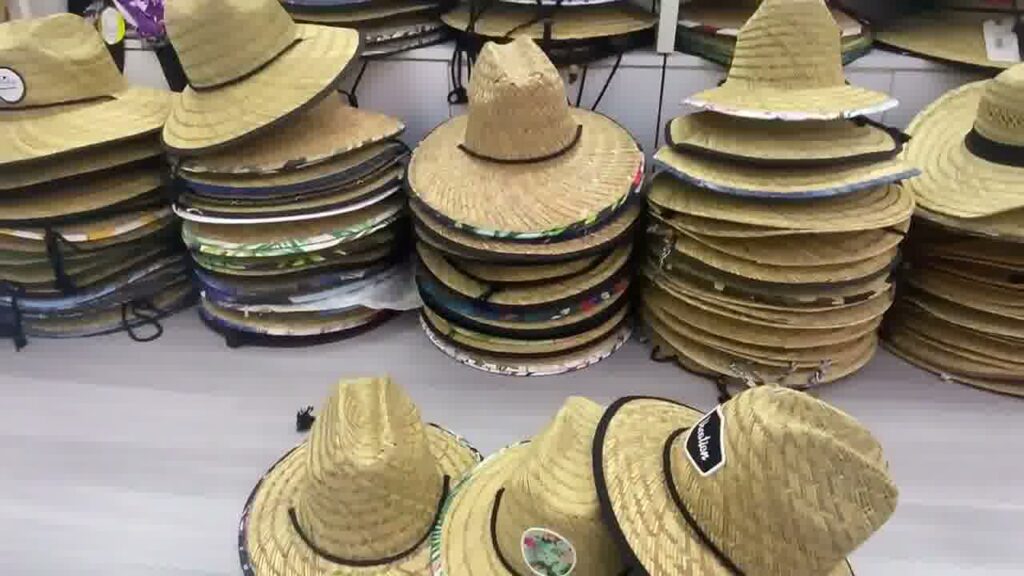
Natural straw and other plant-derived materials can vary in tone, strand surface and texture. This variation is acceptable only when it remains within the range agreed for the order.
Useful evidence may include approved range samples, controlled photographs or a written description of acceptable material character. Weave uniformity, visible joins and local stiffness can also be affected by processing or construction, so they should not automatically be classified as natural variation. “Natural material” should not be used to excuse damage, incorrect construction or a different material.
2. Controlled Process Variation
Depending on the style and construction, repeated forming, sewing, trimming, decoration and packing can create small differences even when the approved materials and process remain unchanged.
Examples may include minor variation in finished measurements, patch placement, stitch appearance, edge alignment or shape recovery after unpacking. These differences are acceptable only when they remain within the order-specific requirement and are assessed using the agreed method.
NIST describes process variability as the differences that appear in process output. That general principle explains why repeat production needs defined requirements and measurement methods; it does not provide a tolerance standard for hats.
3. Approved Deviation
An approved deviation is a known difference from the original production baseline that has been reviewed and accepted in writing.
The record should identify what changed, why it changed, which units or production version it affects, the authorization by the party identified in the order’s change-control rule, and whether the approval is temporary or permanent. A documented deviation is not the same as an informal substitution.
4. Unapproved Difference or Nonconforming Result
A difference requires review when it falls outside the agreed range, changes the approved product or cannot be evaluated from the available records.
Examples include the wrong artwork version, an unapproved component, a measurement outside the stated requirement, a missing label or packing damage. The affected units should be identified and held for a documented accept, rework, replace or reject decision.
| Difference type | Typical example | Evidence needed | Practical response |
|---|---|---|---|
| Expected natural variation | Straw tone or texture within an approved range | Range samples, controlled photos or written description | Compare with the documented range |
| Controlled process variation | Measurement or placement within the order-specific requirement | Specification, measurement method and approved reference | Record the result under the agreed inspection instruction |
| Approved deviation | A reviewed component change accepted for a defined quantity | Dated change record and authorization under the order’s change-control rule | Apply only to the approved scope |
| Unapproved difference / nonconformance | Wrong artwork, unapproved material, missing label or out-of-spec measurement | Current specification, files, reference sample and inspection result | Identify affected units and obtain a documented disposition |
Why Sample-to-Bulk Drift Happens
The Approved Sample May Not Show the Material Range
A single attractive sample can become an unrealistic visual target if the material naturally has a broader range. This is particularly relevant when tone, strand surface or texture is commercially important. Where processing or construction affects weave appearance, define and review that characteristic separately.
Before bulk release, clarify whether the sample is:
- The central appearance target
- One example within an approved range
- A construction reference rather than a color standard
- A partial sample that excludes final components or packing
If the order relies on natural material, a small reference set may communicate the approved range more effectively than one “perfect” hat.
Turn the Approved Range Into Physical Evidence
“Within the approved range” should refer to something the buyer and supplier can compare—not a phrase added after a dispute.
Depending on the product and the characteristic being controlled, the approval record can use:
| Range-control tool | What it helps define | Important limitation |
|---|---|---|
| Target reference sample | The intended center of the approved appearance | One sample may not show the full acceptable range |
| Boundary or limit samples | Approved lighter/darker or smoother/coarser appearance limits | The selected limits must be intentional, identified and retained |
| Shade band or material swatches | Acceptable color direction across fabric or material references | A swatch does not confirm the complete formed hat |
| Controlled reference photographs | Identity, orientation and a supporting visual record | Lighting and screens make photographs unsuitable as the only color standard |
| Measurement table and method | Target dimensions, measurement points and order-specific limits | A number without a defined method is still ambiguous |
Boundary samples are not required for every order. They are most useful when a buyer-defined appearance characteristic cannot be controlled adequately by one target sample and a written description alone.
Fabric and Washed Styles Need Their Own Approval Range
Sample-to-bulk consistency is not only a straw-hat issue. For cut-and-sew fabric hats—such as fabric camp, bucket and trucker styles—the reference may need to control:
- Fabric color or approved shade direction
- The target washed or distressed finish
- Crown-panel and brim structure
- Approved reinforcement or support construction
- Embroidery, patch or print appearance on the selected fabric
- Thread, closure, label and other visible component colors
A washed finish can be intentionally variable without making every result acceptable. The buyer and supplier should approve the target effect, its visible boundary and the inspection method for the selected fabric and construction. Do not assume that a limit approved for one fabric, wash or reinforcement route applies to another style.
Production Adds More Operations and More Measurement Points
A development sample may be made under close individual attention. Bulk production repeats the design across more material, operators and process cycles.
This does not mean the sample is irrelevant. It means the specification must convert its important characteristics into repeatable requirements. A brim measurement, for example, is not fully controlled unless the team also knows where and how it should be measured. The same applies to logo position, crown depth and head opening.
Color and Decoration Depend on the Physical Substrate
A logo file does not produce the result by itself. Embroidery, patches, printing and labels interact with:
- Surface texture
- Material color
- Curvature
- Weave openness
- Component thickness
- Attachment route
- Edge finishing
- The available decoration area
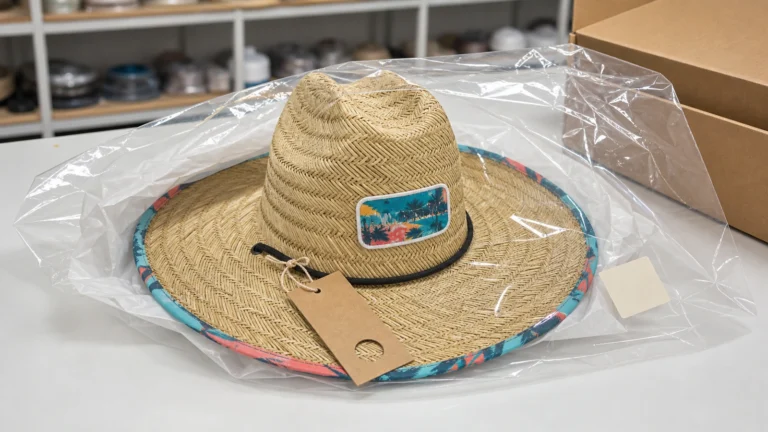
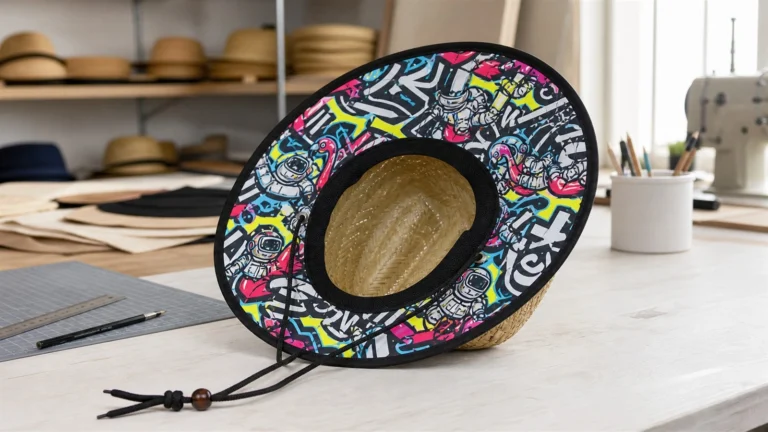
An embroidery or patch may sit differently across a curved or uneven surface than it does on a flat proof. Printed artwork may change visually when applied to the selected material, cut around a crown opening or partly covered by binding.
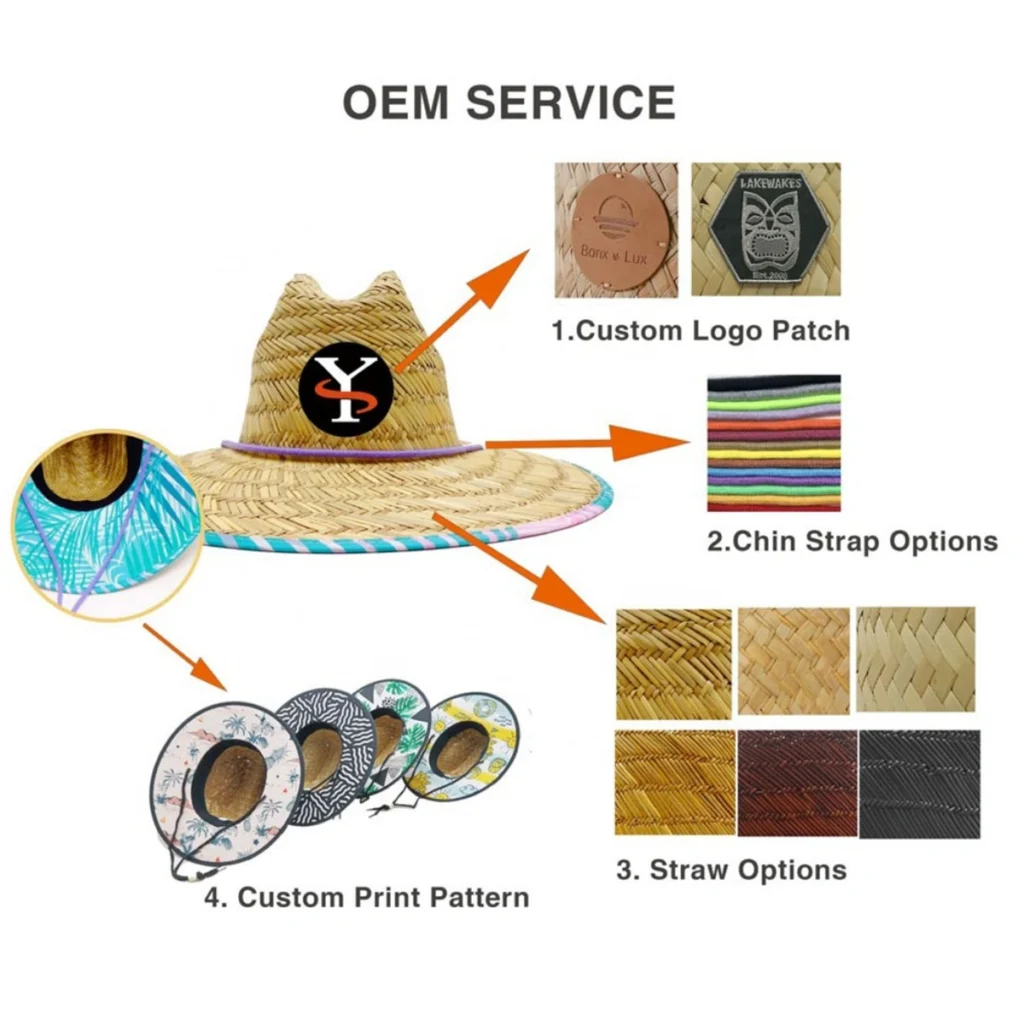
The approved decoration reference should therefore identify the substrate and construction, not only the artwork file. Buyers can review method-specific options on the TerraHats customization page.
Materials or Components Are Substituted
A substitute can affect more than appearance. A different straw body, sweatband, backing, thread, patch base, binding, cord, toggle or packaging insert may change:
- Color relationship
- Structure or hand feel
- Fit
- Decoration behavior
- Attachment method
- Label content
- Packing performance
A supplier may believe two components are commercially similar while the buyer considers the difference brand-critical. That is why the change rule should be decided before the issue occurs.
“No substitution without written approval” is clearer than expecting the approved sample to communicate every hidden component. The bill of materials or component list should identify the parts that must remain controlled.
Production Uses an Outdated Artwork or Specification
Version confusion can create a consistent bulk result that is consistently wrong.
Common failure paths include:
- A revised logo is approved, but the earlier file remains in the production folder.
- The sample reflects one placement, while the specification shows another.
- A purchase order references an old specification.
- A label revision is approved by email but not added to the release pack.
- The sample code is missing, duplicated or unclear.
- A packing instruction changes without a new revision date.
ISO 10007 provides general guidance for configuration management. Linking the approved sample, specification, artwork and other current order files is this article’s practical application of that principle; ISO 10007 does not establish a hat-specific production or tolerance requirement.
Packing and Handling Change Presentation
A hat may leave finishing in the approved shape but look different after compression, stacking, transport, humidity exposure or unsuitable storage.
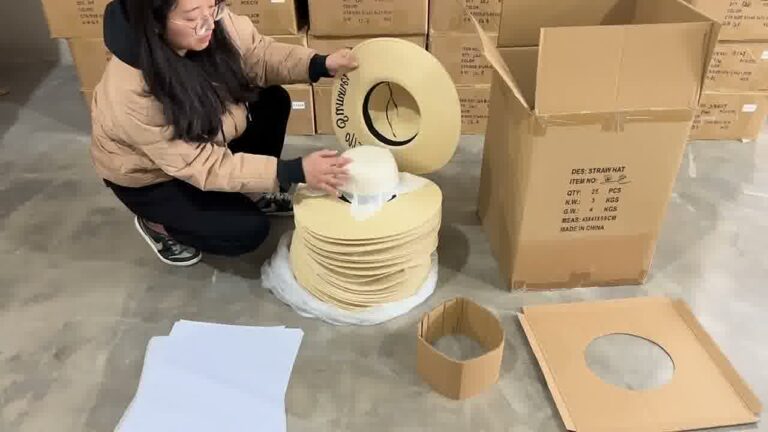
Wide brims, formed crowns, edge finishes and attached decorations can be sensitive to the selected packing method. The sample-to-bulk reference should therefore include packing when packing affects the delivered result.
A sample reviewed loose on a table does not automatically approve:
- Units per carton
- Nesting direction
- Inner supports
- Polybag or tissue arrangement
- Carton dimensions
- Recovery instructions after unpacking
Packing damage is not made acceptable merely because hats can sometimes be reshaped. Define the packing method and the delivered-condition review that matter to the project.
The Approval Record Is Incomplete or Conflicting
The physical sample and written specification should support each other. Drift becomes more likely when they conflict.
Examples include:
- The sample has a black cord; the specification says navy.
- The sample uses one patch size; the artwork sheet lists another.
- The sample was approved before final labels were available.
- A visible issue was accepted verbally but not recorded.
- No document states whether the sample or specification takes priority.
Resolve these conflicts before bulk release. Do not rely on memory after the sample moves between buyer, sales, development and production teams.
Change-Control and Bulk-Reference Checklist
Use these four groups before bulk release and whenever a change is proposed. The grouped format can be presented as stacked cards or accordions on mobile.
Files and Versions
- Lock the style or SKU, approved sample ID, specification revision and issue date.
- Confirm that the current specification and purchase reference point to the same configuration.
- Retain the sample ID, reference photographs, released specification and approval date.
Materials and Components
- Lock the material identity, approved color or appearance range, sweatband, binding, closure, cord, toggle, backing and trims that matter to the order.
- Ask whether any material or component is being substituted and what characteristics the change could affect.
- Retain the material or BOM reference, range evidence, component list and any approved substitution record.
Measurements, Branding and Labels
- Lock critical measurement points and methods, artwork revision, decoration method, size, position, attachment and released label files.
- Confirm that production is using the exact files and that any change remains feasible on the approved substrate and construction.
- Retain the measurement sheet, controlled artwork, decoration reference, placement record and label files.
Packing, Deviations and Inspection
- Lock the unit pack, supports, nesting, carton arrangement, inspection instruction and result format.
- Record any deviation by requirement, reason, scope, duration and the party authorized under the order’s change-control rule.
- Retain the packing specification, pack-out photographs, dated deviation authorization and applicable inspection record.
Use the checklist in your next supplier review:
Download the Print-Ready Sample Approval Checklist
When Bulk Differs, Trace the Cause Before Deciding
The approved sample plus the current specification, component list, artwork and label files, and packing version form the locked baseline for this review.
Do not decide from one side-by-side photograph alone. Trace the difference back to the production baseline in a consistent order.
1. Confirm Product and Version Identity
Check the style or SKU, approved sample ID, specification revision, artwork revision and packing version. A well-made hat can still be wrong if it belongs to another colorway, file version or order configuration.
2. Confirm Materials and Components
Compare the straw body, sweatband, binding, cord, toggle, patch base, thread, labels and packing components with the approved list. A visually similar substitute may still change fit, structure, decoration or reorder consistency.
3. Check the Requirement and Measurement Method
For a dimensional difference, confirm both the stated requirement and the way it was measured. Different measurement points or hat positioning can produce results that are not directly comparable.
4. Separate Decoration Variation From Substrate Variation
Check whether the artwork, scale, method and placement are correct before attributing the result to the straw surface. Then assess whether material color, texture, curvature or weave openness changed how the decoration appears.
5. Compare the Hat Before and After Packing
If the difference involves crown shape, brim presentation or attached trims, determine whether it existed before packing or developed through nesting, compression, handling or storage.
6. Establish the Scope
Identify whether the issue affects one unit, one carton, one production group or the full order. The scope determines what evidence is needed and whether production, packing or shipment should pause.
| Observed difference | First question | Evidence to compare | Next decision |
|---|---|---|---|
| Color or texture shift | Is it within the approved material range? | Range references and material record | Accept within range or review the material |
| Shape or measurement difference | Was the same measurement method used? | Specification, method and measurement record | Re-measure or assess against the requirement |
| Logo looks different | Are the file, method, substrate and placement unchanged? | Artwork revision and decoration reference | Accept within the boundary or review the change |
| Component looks similar but not identical | Is it the approved component? | BOM or component list | Confirm authorization or treat it as an unapproved substitution |
| Hat changed after unpacking | Did packing create the difference? | Pack-out reference and delivered-condition photos | Review packing and affected units |
| Difference appears across many units | Which production group or cartons are affected? | Lot, carton and production traceability | Define the scope and disposition |
After the cause and scope are confirmed, update the approved sample linkage and current specification, component, file and packing versions so the locked baseline remains unambiguous.
Use Inspection to Apply the Locked Reference
Inspection should apply the approved reference—not redefine it at the inspection table.
For each order-critical characteristic, the inspection instruction should identify:
- The requirement to check
- The approved reference or current file
- The measurement or review method
- The result to record
- The action required when the result falls outside the boundary
The inspection team should not have to guess which sample, artwork file, component or packing version is current. Nor should it invent tolerances or defect classifications after production is complete.
For a broader framework covering identity, measurements, construction, branding, function, labels, packing and sampling, read Why Visual Inspection Alone Can Miss Hat Defects or review TerraHats’ factory and quality process.
Frequently Asked Questions
Should every bulk hat look identical to the approved sample?
No. Natural materials and production processes can create variation. The goal is conformity to the approved product identity, specification and agreed variation boundary—not visual identity in every natural detail.
Is any straw variation acceptable because straw is natural?
No. Natural variation should have a documented range. Damage, incorrect construction, wrong materials or differences outside that range still require review.
What if the bulk hat looks acceptable but uses a different component?
A visually similar component can still affect fit, structure, decoration, labeling or later reorders. Treat an unapproved substitution as a change that needs review rather than approving it from appearance alone.
Which has priority: the approved sample or the written specification?
The order record should state how the references work together. If they conflict, resolve the conflict before bulk release instead of asking production or inspection to guess.
When should a change trigger another sample review?
Consider renewed review when the change could affect product identity, material appearance, fit, measurements, function, decoration, labels, workmanship, packing or another buyer-defined requirement. Record the decision even if a complete new sample is not required.
Lock the Sample-to-Bulk Reference
Sample-to-bulk consistency improves when the approved hat, written requirements and production files point to the same product version.
Prepare the selected hat style, approved appearance range, artwork revision, critical measurements, component list, labels, packing requirements and approved sample status.
Download the Sample Approval Checklist
Review the TerraHats Sample Policy
When the current references are ready, contact TerraHats and share them for a project-specific discussion of what should be locked before bulk release.
You can also compare available customization methods and read Why Physical Sample Approval Matters Before Bulk before approving production.
MOQ, sampling arrangements, inspection scope and production schedule are confirmed according to the selected style, materials, customization, packing and order requirements.
Sources and Further Reading
- NIST/SEMATECH — Process Variability
- ISO — ISO 10007:2017, Quality Management: Guidelines for Configuration Management
Editorial claim note: This article presents a commercial change-control framework. It does not establish universal hat tolerances or promise zero variation. The NIST and ISO references support general process-variability and configuration-management principles; they do not establish hat-specific requirements.