-
WhatsApp +86 15116118247
-
Any Questions info@terrahats.com
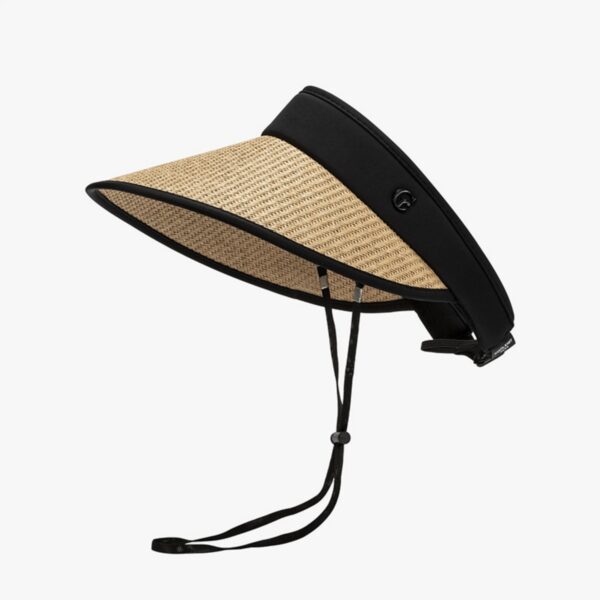
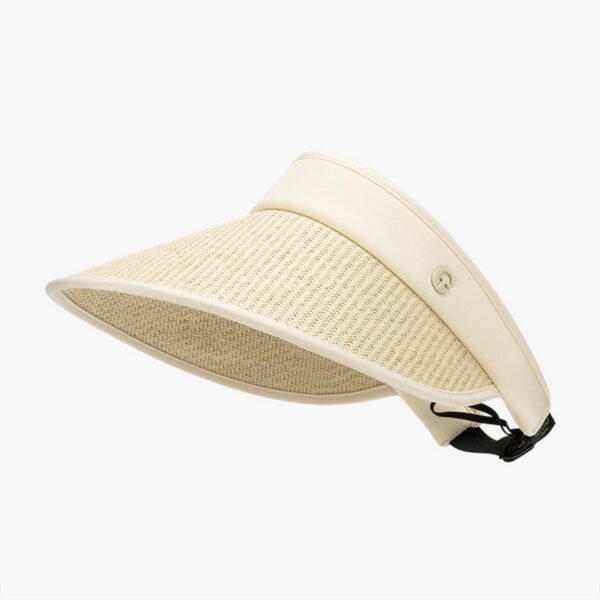
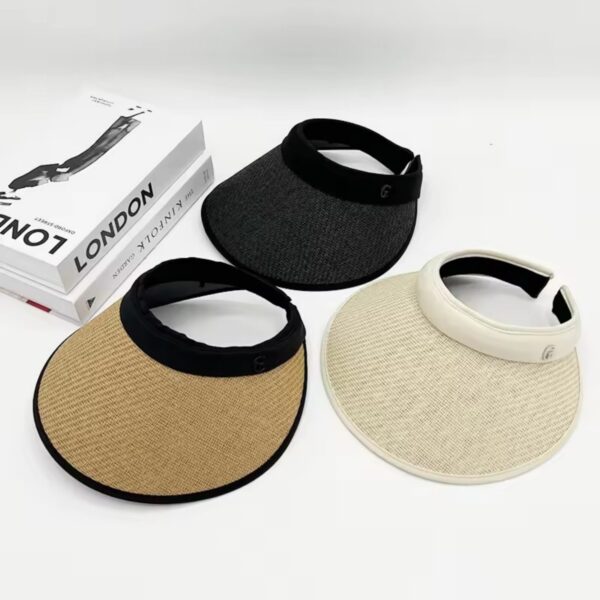
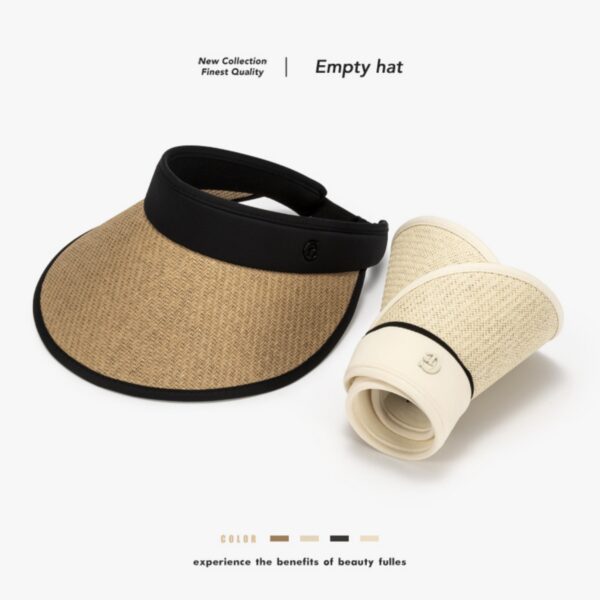
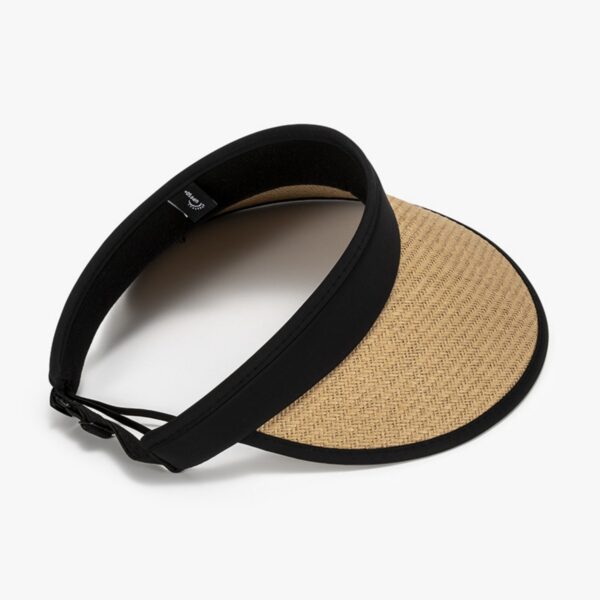
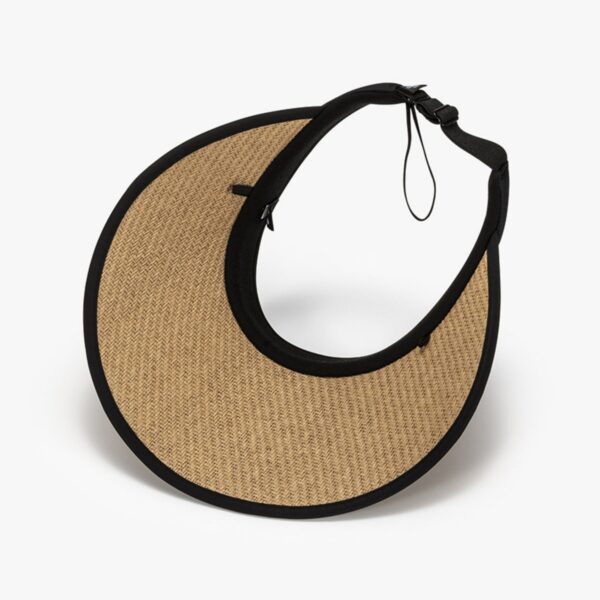
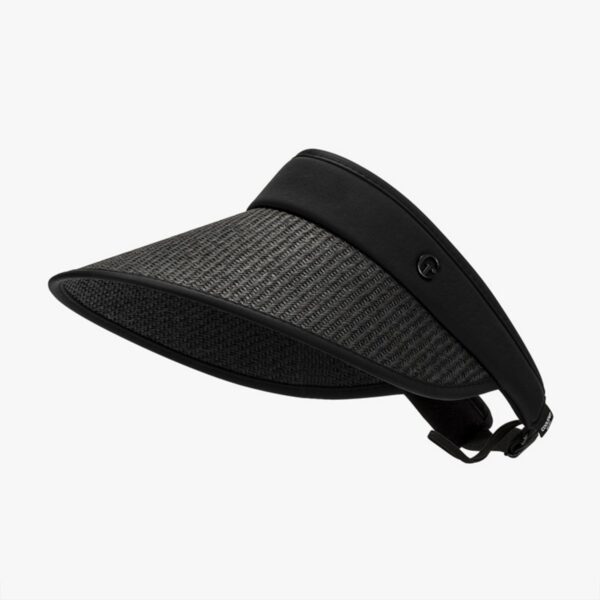
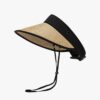
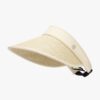
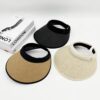
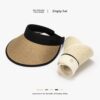
Straw Visor Hat
Custom Wide-Brim Straw Visor with Padded Headband
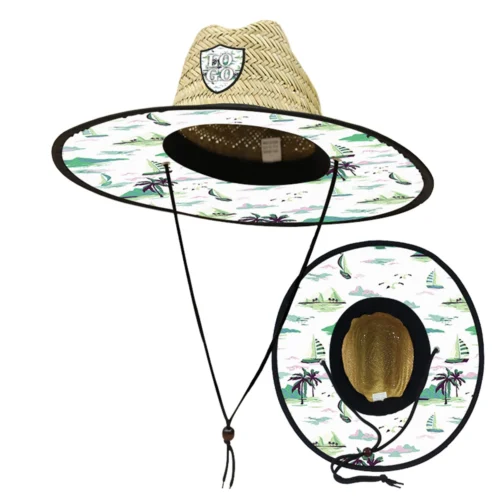
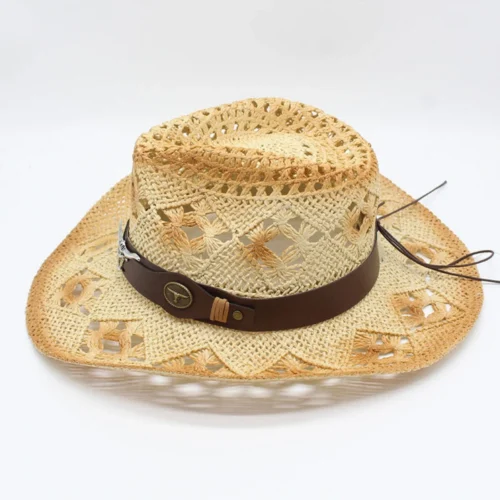
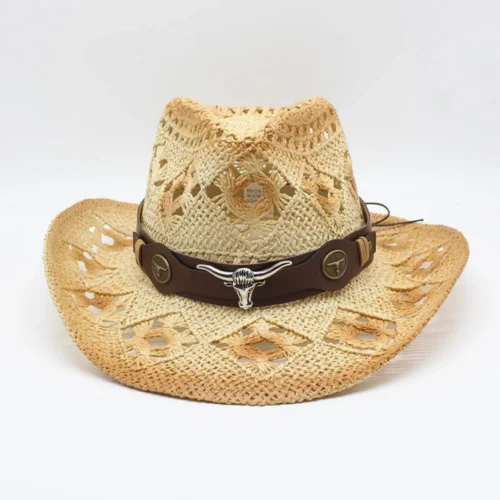
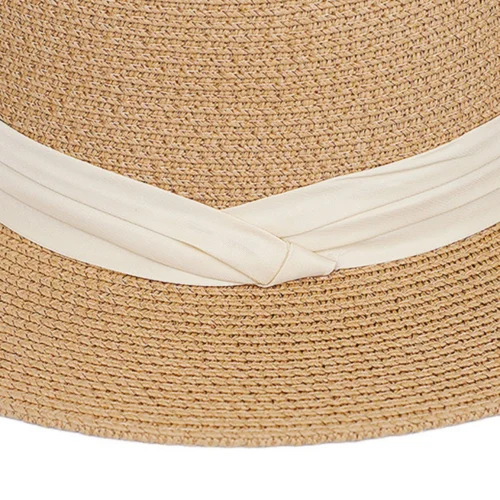
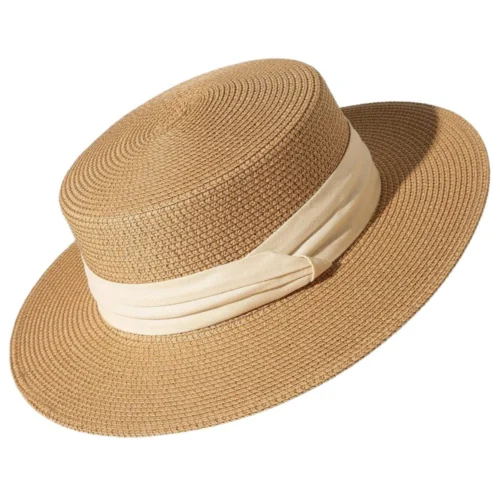
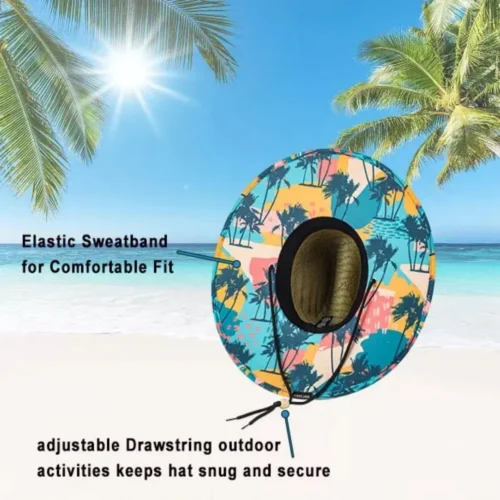
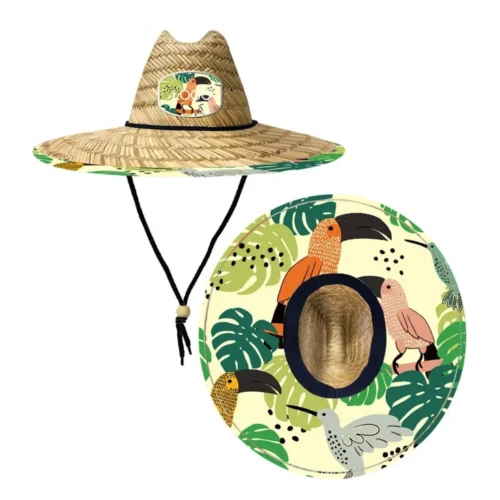
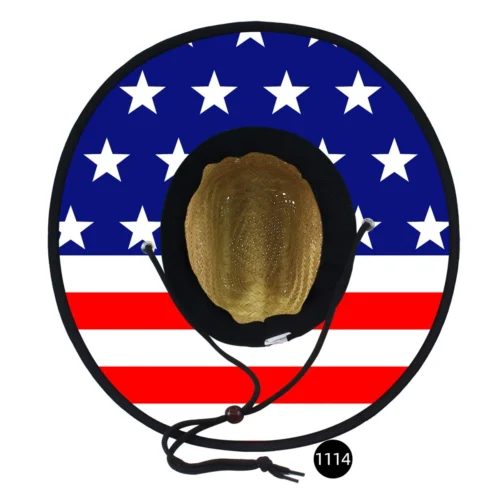
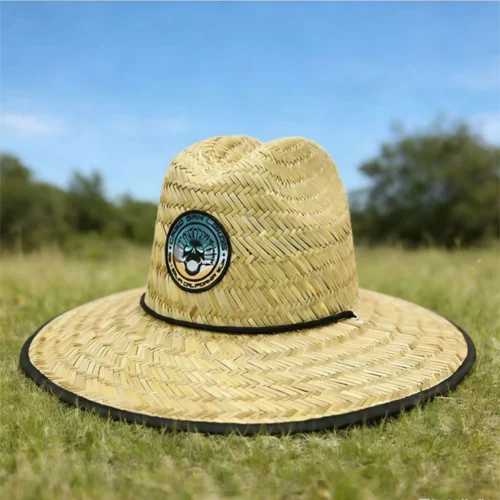
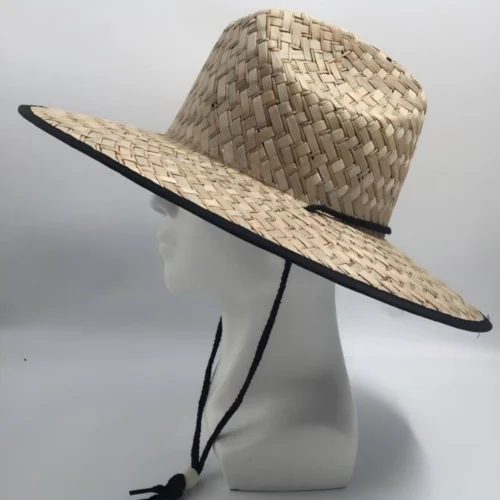
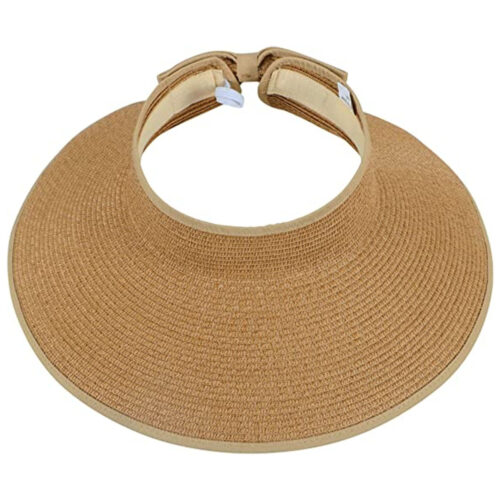
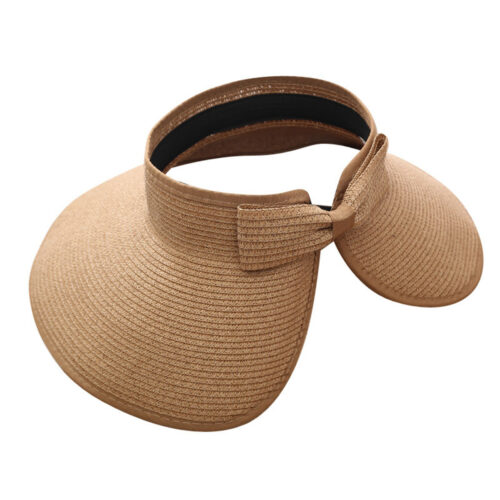
Develop an open-top straw visor around the material, fit, branding, and packing requirements of your summer program. The reference sample combines a curved woven brim, wrapped padded headband, edge binding, and rear adjustment assembly—every production detail is reviewed as part of the project specification rather than assumed from the photographed sample.
√ Open-top visor construction
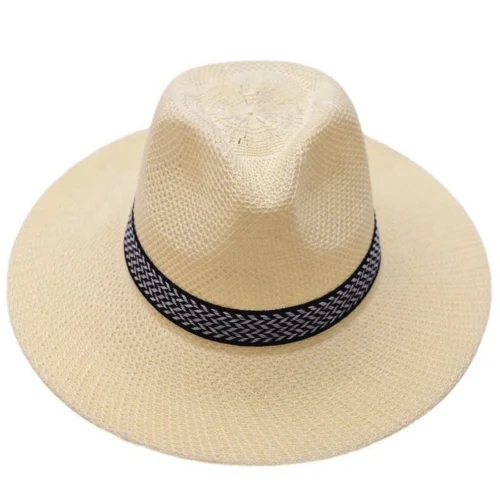
√ Curved woven brim with bound edge
√ Wrapped padded headband
√ Rear adjustment assembly
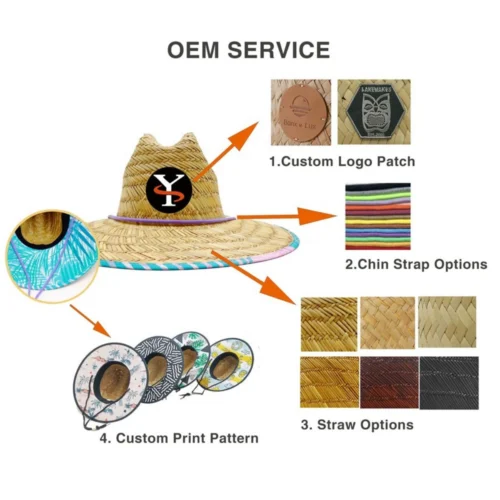
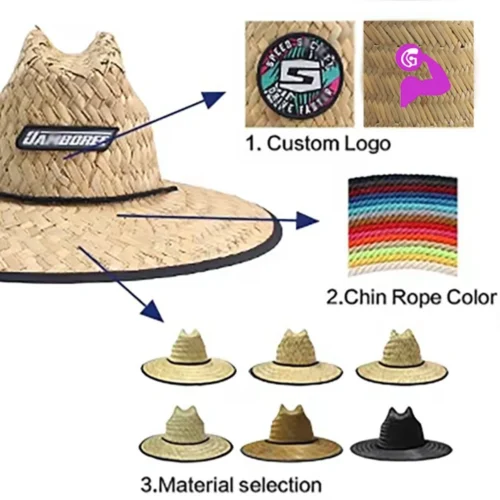
√ Color, branding, label & packing development
√ Mockup & physical-sample approval
🔒 Verified supplier · Custom artwork, patch, label & packaging supported · Testing docs available on request
Owned Straw Weaving Factory
Mockup & Physical Sample Approval
Custom Branding & Labels
Packing & Freight Testing
Sample Transparency
Reference Sample at a Glance
The photographed product is a reference configuration. Use this table to separate visible sample details
from the decisions that must be confirmed for a new order.
| Decision Area | Shown in the Current Reference Sample | Confirm for Your Project |
|---|---|---|
| Product Type | Open-top straw visor | Final silhouette and commercial specification |
| Brim | Broad curved woven appearance with edge binding | Fiber composition, width, curve, stiffness, edge finish, and tolerance |
| Headband | Wrapped and padded appearance | Outer fabric, padding, inside contact layer, width, color, and stitching |
| Rear Adjustment | Elastic-and-hardware adjustment direction is visible | Closure construction, usable adjustment range, elastic tension, and component durability |
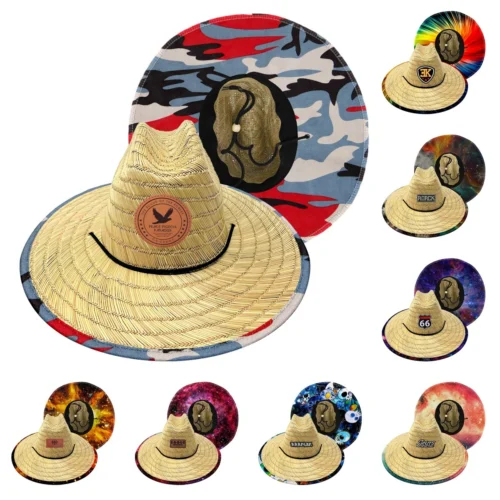
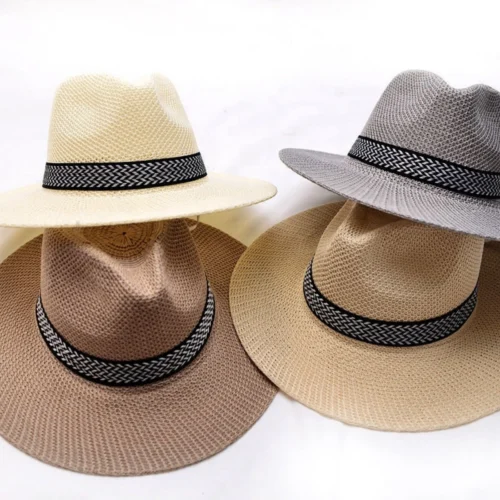
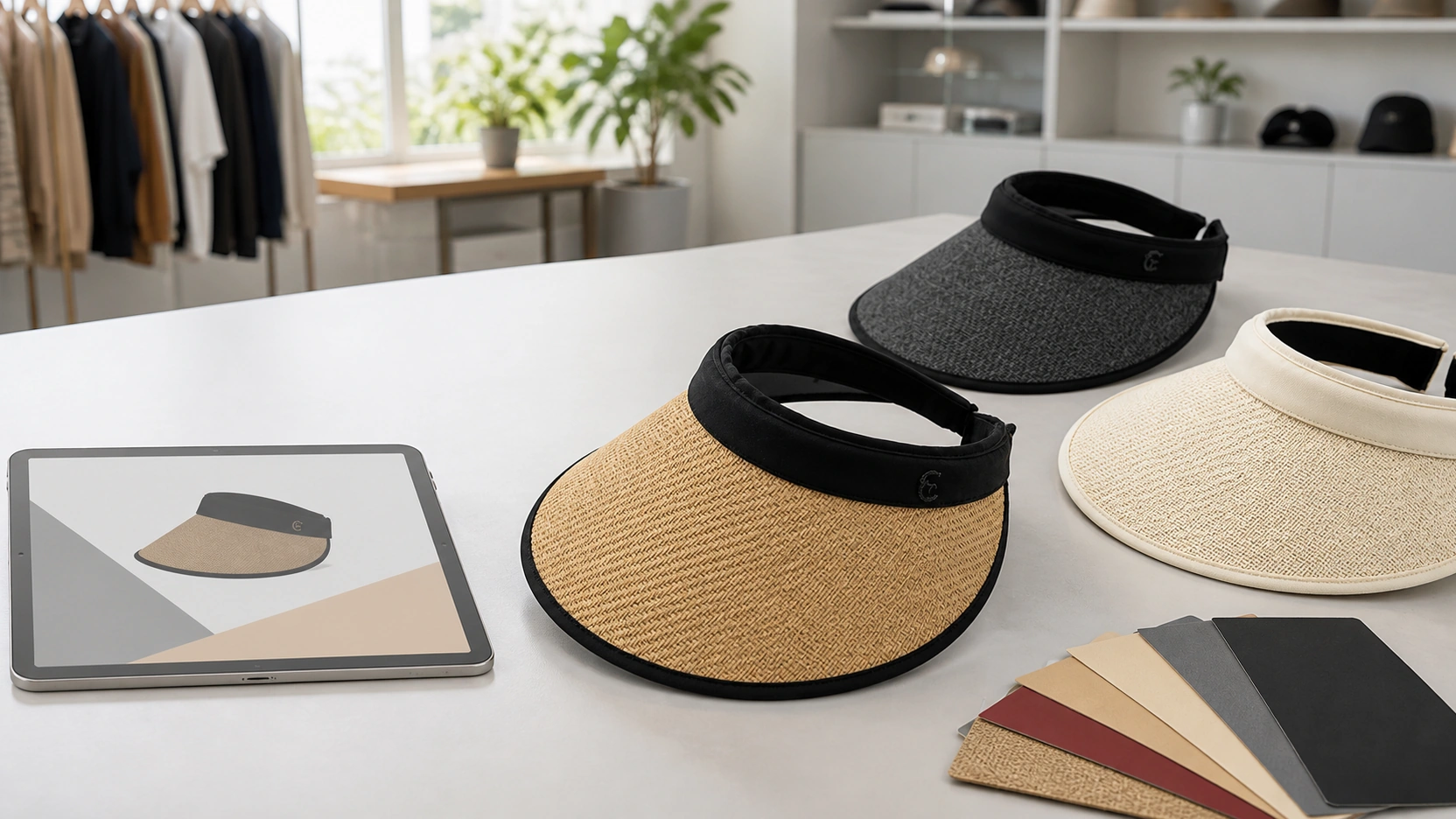
| Color Direction | Natural, black, and light neutral references are shown | Current color card, trim combinations, and batch color standard |
| Branding | Small side branding appears on the reference sample | Artwork size, position, method, backing, and attachment standard |
| Fit Direction | Adult visor direction | Finished head circumference (in.), adjustment range, pressure points, and tolerance |
| Material | Woven straw appearance | Exact fiber content, supporting materials, adhesives, and care requirements |
| Packing | Not established by the product images | Nesting method, shape support, unit pack, carton size (in.), and freight priorities |
Construction
Open-Top Structure for Summer Programs
Four zones define the silhouette. Each one is developed and approved independently before bulk production begins.
Curved Woven Brim
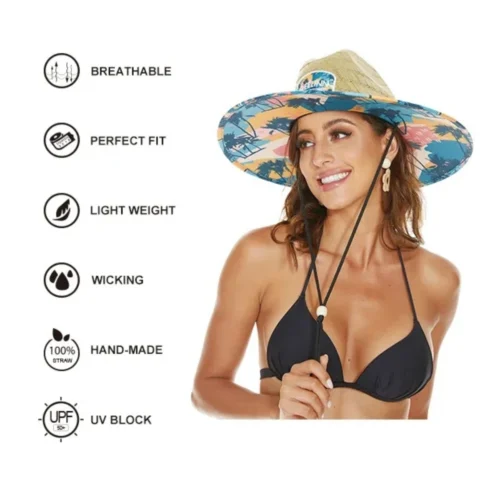
The brim provides physical shade around the front of the face. Its finished width, curve, stiffness, and edge profile should be measured in inches on the approved sample. Physical shade is not the same as a tested UV or UPF rating.
Wrapped Padded Headband
The padded band separates this visor from a fully woven crown and creates a practical zone for fit development and brand decoration. Outer textile, padding thickness, inside contact surface, stitching, and color are all listed in the final spec.
Open-Top Configuration
The crown remains open. Front, rear, side, top, and inside images are used to confirm the silhouette and adjustment assembly before sampling begins.
Rear Adjustment Assembly
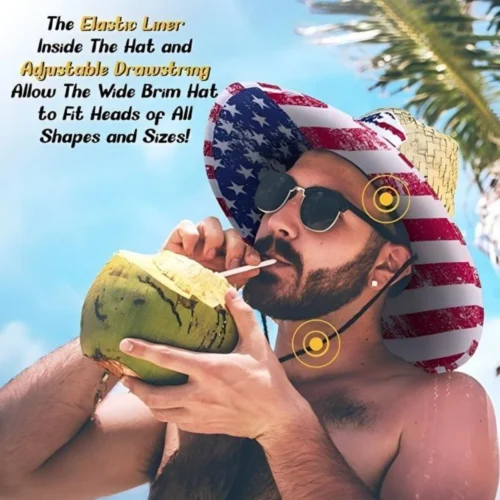
Reference images show a rear adjustment direction rather than a chin cord. Final closure, elastic length in inches, adjustment travel, hardware, and attachment strength must be confirmed on the selected construction.
Material Approval
Approve the Material Before Finalizing Fit
Material and brim behavior affect how the padded headband and rear adjustment feel in use. Lock the
construction direction before setting the final fit range or elastic tension.
| Approval Point | What to Record | Why It Matters |
|---|---|---|
| Woven Material | Fiber content, braid or weave, color, hand feel, supporting layers | Material names alone do not establish flexibility, durability, or care behavior |
| Brim Geometry | Finished width (in.), curve, edge profile, symmetry, and tolerance | Controls appearance, physical shade, nesting, and wearer clearance |
| Brim Stiffness | Approved sample feel and allowed deformation | Influences pressure transfer to the headband and packing method |
| Edge Binding | Material, width (in.), color, seam type, and corner finish | Affects visual consistency and edge durability |
| Headband Construction | Outer fabric, padding, inside layer, width (in.), and seam placement | Affects fit, comfort review, branding, and care instructions |
| Rear Components | Elastic, cord, adjuster, buckle, or other approved parts | Determines adjustment travel and the wear-test plan |
| Color Standard | Approved swatch, trim combination, and batch tolerance | Reduces unexpected variation between the sample and bulk order |
The source product name uses a natural-straw direction, while earlier marketplace-style copy gives a different material
description. Publish an exact composition only after the current supplier specification and approved sample agree.
Fit & Rear Adjustment
Plan Fit and Rear Adjustment Before Distribution
Avoid treating one marketplace size range as universal. A team, event, or retail program should approve the fit against the intended wearer group and selected materials. All dimensions below are shown in inches and are reference points to confirm—not final published specifications.
The rear adjustment can support a broader fit direction, but high-head-size coverage, secure sports use, and all-day comfort should not be promised until the approved sample has been evaluated with the target wearer group.
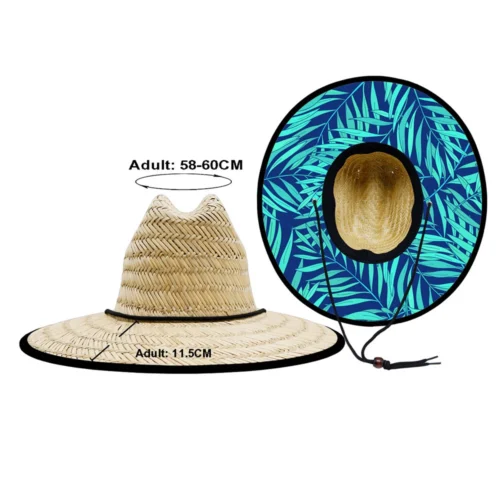
| Finished Inside Head Circumference typically 21.3″ – 23.6″ (reference range) | Usable Adjustment Travel up to ~1.6″, confirmed on approved sample |
| Headband Width typically 1.4″ – 1.8″ | Brim Width typically 3.3″ – 4.3″ from headband edge |
| Elastic Extension & Recovery measured on approved rear assembly | Fit Tolerance defined across the approved size plan |
All figures shown in inches (″) for buyer reference. Confirm exact tolerances against your approved sample and target wearer group before locking a bulk specification.
Custom Branding
Build Your Brand Across the Visor
Developing custom straw hats with logo requires the decoration method to match the product zone. A
method that works on the textile headband may not be appropriate for the curved woven brim.
| Branding Zone | Strong Starting Directions | Compatibility Checks |
|---|---|---|
| Padded Headband Front or Side | Fabric print, woven label, small embroidery, embroidered patch | Thickness, curvature, wearer contact, seam position, and visual distortion |
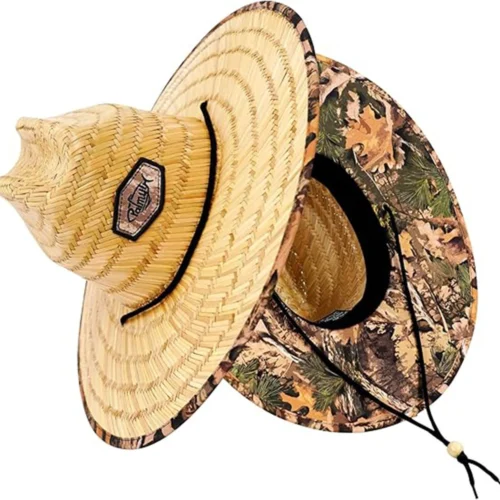
| Woven Brim | Small sewn patch, lightweight label, or another sampled attachment | Needle-hole growth, weave damage, backing support, artwork size, and brim deformation |
| Edge Binding | Contrast color, specified-color tape, or narrow woven treatment | Colorfastness, seam consistency, and puckering around the curve |
| Inside Area | Main label, size label, care label, or origin label | Contact comfort, required wording, placement, and attachment |
| Rear Adjustment Area | Small woven label or lightweight mark | Adjustment travel, elastic movement, hardware clearance, and strength |
| Retail or Program Packing | Hangtag, barcode, sticker, insert card, or custom unit pack | Channel requirements, packing space (in.), scan position, and freight impact |
Direct embroidery or heat application on the woven brim is not treated as a default decoration method. Compatibility
depends on the selected material, weave density, backing support, artwork size, temperature, pressure, and stitch plan.
Confirm the method through a decorated sample before bulk production.
Program Fit
Choose a Configuration for Your Program
Promotional Events
For promotional straw hat projects, prioritize a clear logo presentation, a controlled color combination, a practical fit plan, and proposal-ready visuals. A digital mockup helps promotional distributors present the direction to their end client before committing to a custom sample.

Resorts and Beach Clubs
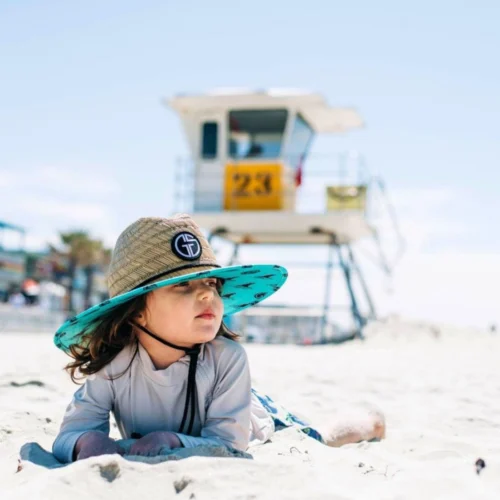
For resort and beach club straw hat programs, focus on material hand feel, trim color, staff or guest-use fit, brand consistency, and the intended retail or amenity presentation. A physical sample is the stronger approval route when touch, color, and wearer experience influence the decision.

Leisure and Sport Brand Programs
For golf, tennis, beach-activity, or summer-leisure collections, review the rear adjustment, wearer movement, headband contact, sweat exposure, decoration attachment, and packing as a system. The open-top structure and rear adjustment provide a development direction, not a verified performance claim.
A mixed program may use the visor for staff, events, or active merchandise while adding a separate travel-led style for guest retail or gifting.
Inside TerraHats
From Raw Straw to Finished Visor
A look inside our own weaving and finishing factory — the same lines that develop and produce your approved specification.
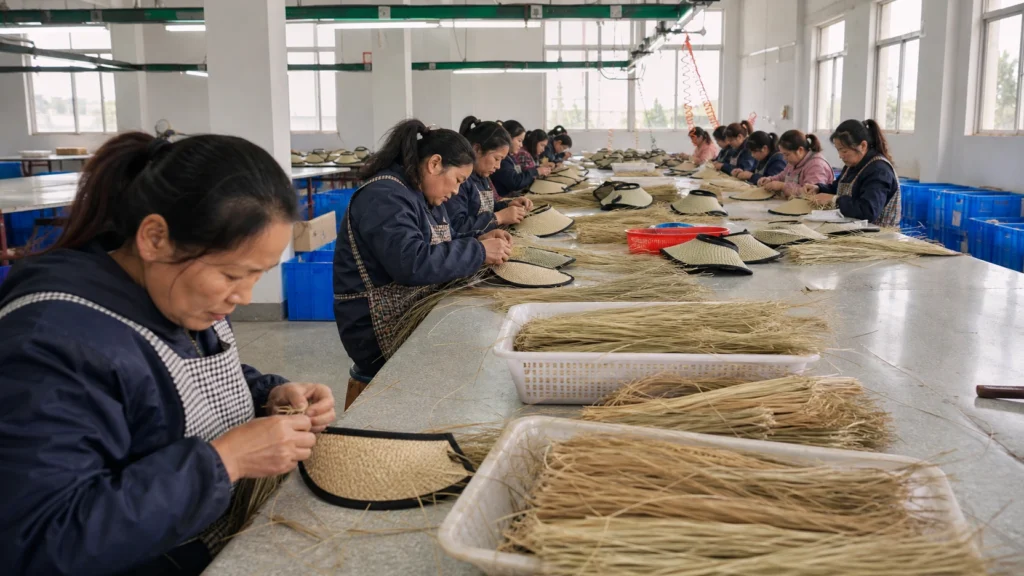
Rows of artisans hand-weave straw brims from raw fiber bundles at our owned production facility.
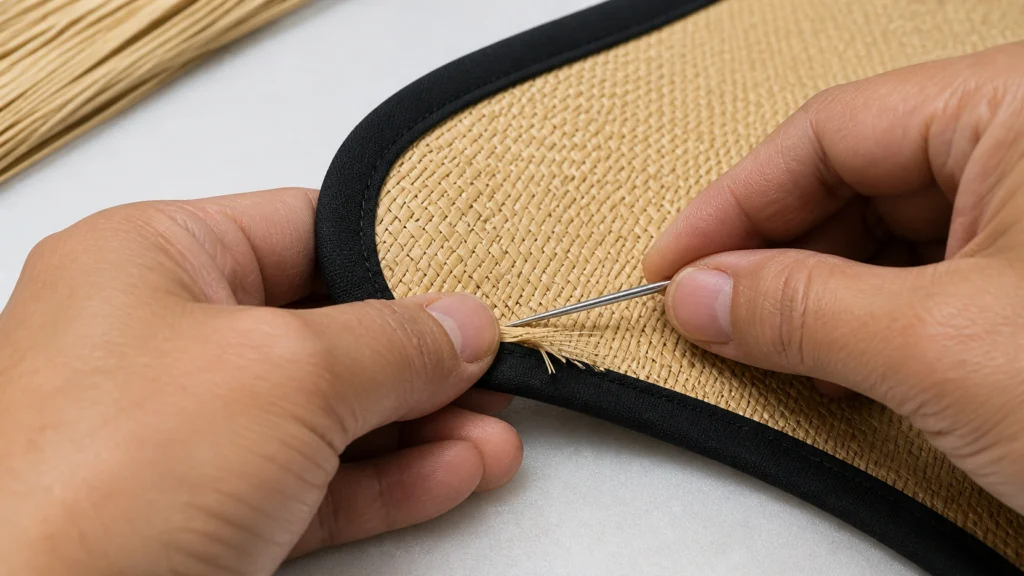
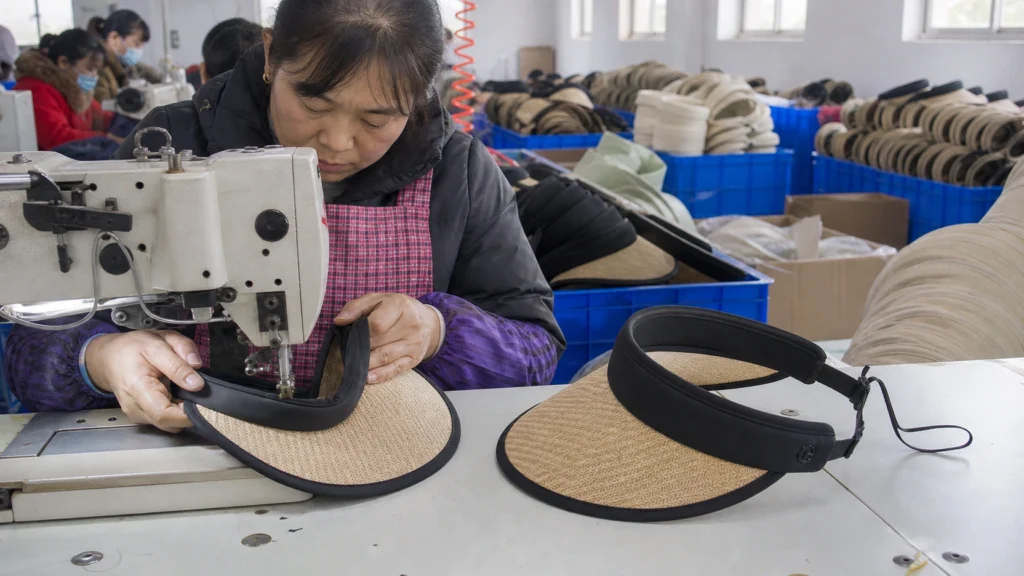
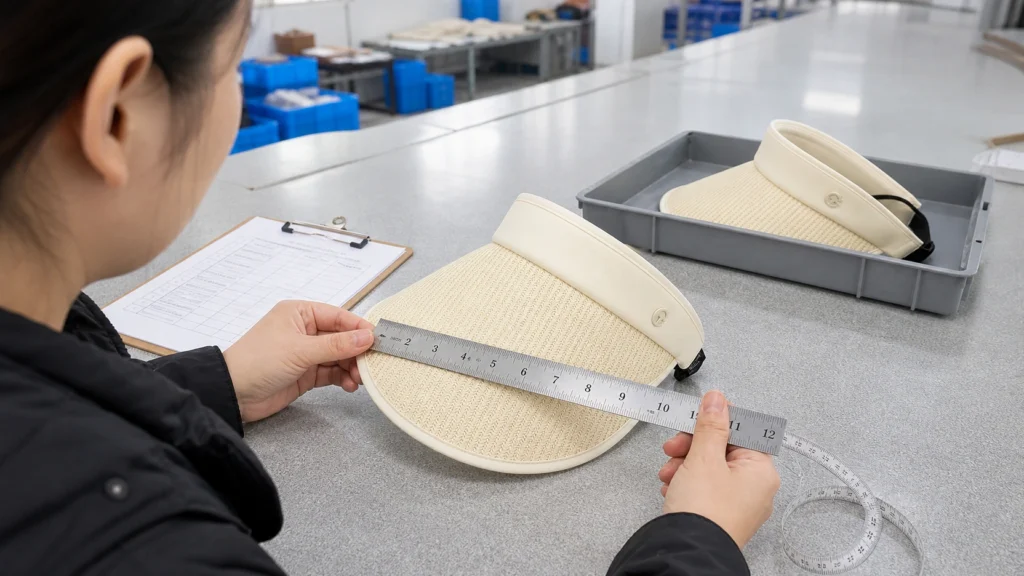
Every approved construction is measured in inches against the locked specification before packing.
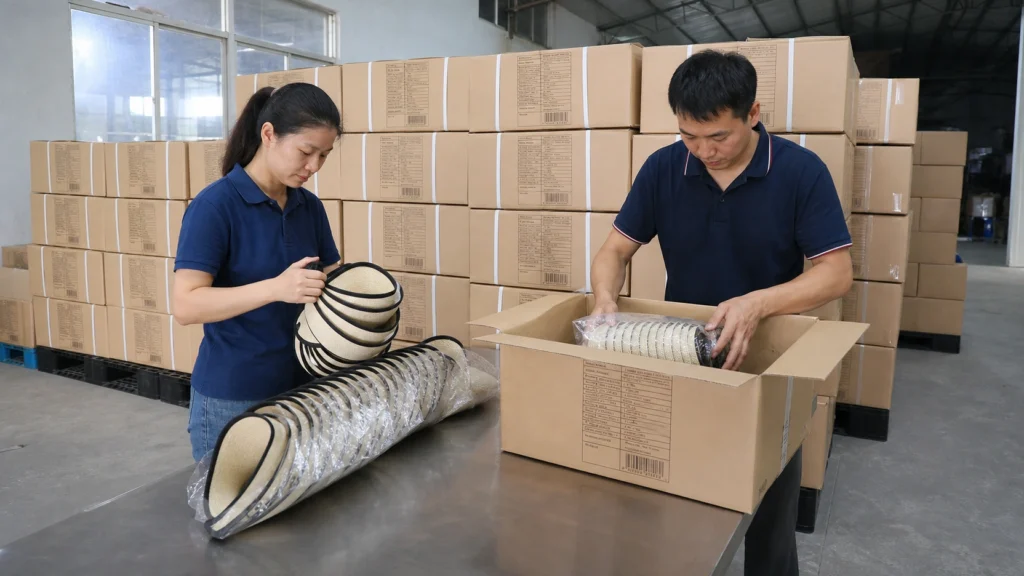
Finished visors are nested and cartoned according to the tested packing route for your program.
Development Path
From Reference Sample to Approved Bulk Specification
Blank and customized sample routes, charges, timing, and any relationship between sample fees and a later
bulk order follow the current TerraHats sample policy and project quotation.
Step 1
Define the Commercial Brief
Provide the target quantity, destination market, use case, required delivery date, target wearer group, price direction, and sales channel.
Step 2
Select the Construction Direction
Review the woven material, brim width and stiffness (in.), padded headband, rear adjustment, colors, and packing priorities.
Step 3
Review the Brand Mockup
Confirm logo size, position, decoration method, trim colors, labels, and packaging graphics before producing a decorated sample.
Step 4
Approve the Physical Sample
Measure the product in inches and review fit, brim symmetry, edge binding, rear adjustment, artwork appearance, attachment quality, and wearer contact.
Step 5
Test the Intended Packing Route
Pack the approved construction using the proposed nesting or support method. Record carton efficiency, shape change, recovery, and presentation after the intended transport simulation.
Step 6
Lock the Bulk Specification
Record approved materials, measurements, tolerances, colors, artwork, branding zones, fit range, components, labels, packing, carton details, inspection points, and document requirements.
Packing & Freight
Balance Brim Protection with Freight Efficiency
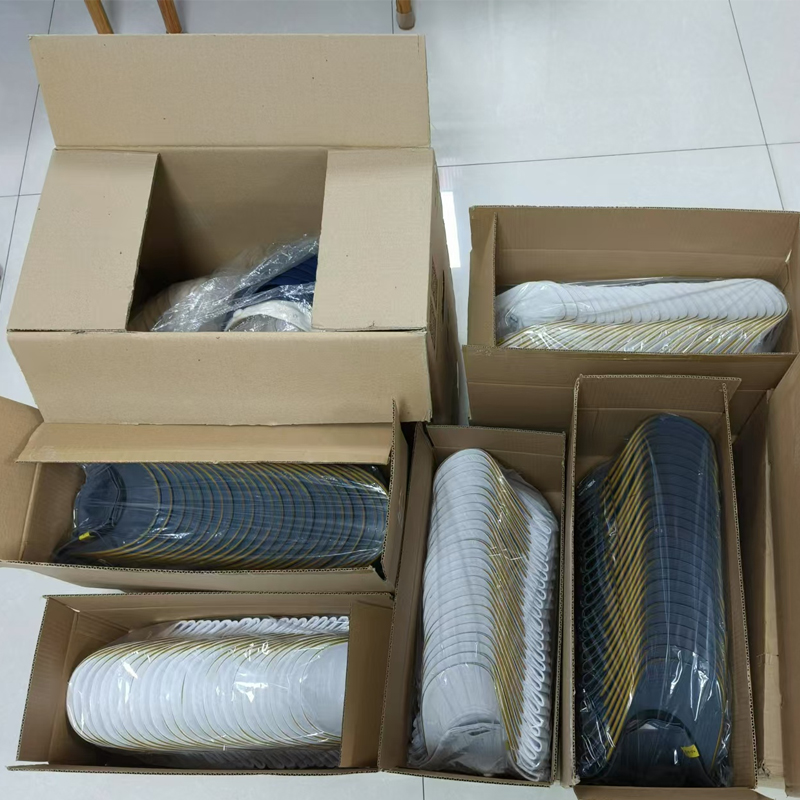
A curved visor may occupy more shipping volume than a fully flattenable cap. The packing decision should
balance arrival condition, nesting efficiency, unit presentation, labor, material use, and volumetric freight cost.
| Packing Route | Potential Benefit | Approval Questions |
|---|---|---|
| Nested Packing | Can improve carton density | Does pressure change the brim curve, headband, adjustment components, or edge binding? |
| Nested with Shape Support | Adds structure around the approved profile | What support is required, and how does it affect labor, material, carton volume (in.³), and disposal? |
| Individual Shape Protection | Supports stronger arrival presentation | Is the added unit cost and volumetric weight justified by the retail or gifting channel? |
Confirm from the Approved Packing Trial
Do not publish a fixed package size, unit weight, carton quantity, foldability claim, or freight-saving promise until the current construction has completed the relevant test.
Assortment Planning
Choose the Right Role for the Assortment
Use “active-service direction” and “leisure/travel direction” as assortment roles, not as untested performance claims.
| TerraHats Style | Product-Line Role | Best-Fit Program | Key Approval Focus |
|---|---|---|---|
| Straw Visor Hat | Open-top, padded-headband visor with rear adjustment direction | Summer events, staff programs, promotional projects, and leisure-brand development | Material, fit, rear adjustment, decoration compatibility, and nesting |
| Foldable Straw Beach Hat | Leisure- and travel-led open-top style with a roll-up presentation direction | Resort gifts, vacation retail, hotel amenities, and travel assortments | Rolling method, recovery, decoration on the roll zone, and gift packing |
| Functional Wide Brim Straw Sun Hat | Full-crown outdoor style with a different coverage and retention role | Gardening, fishing, outdoor work, and leisure programs | Crown and brim structure, fit, retention, and outdoor-use specification |
| Straw Boater Hat | Full-crown, flat-brim event and uniform style | Hospitality, ceremonies, events, and fashion accessories | Crown profile, flat-brim geometry, hatband, fit, and presentation packing |
The Straw Visor Hat may support event staff or leisure activity programs because of its padded band and rear adjustment direction. The Foldable Straw Beach Hat should remain the vacation-led, rolling-and-packing concept. A buyer can source both when the products serve different wearer groups or sales moments.
Frequently Asked Questions
Common Buyer Questions
What is the exact straw material?
The current references support a woven straw appearance but do not establish one publication-ready fiber composition. Confirm the fiber, supporting materials, adhesives, color standard, and care requirements on the selected sample.
What size does the visor fit?
Do not use the older marketplace ranges as a universal specification. Measure the finished inside circumference, usable adjustment range, elastic behavior, and tolerance on the approved construction.
Can our logo be embroidered directly on the brim?
Direct brim embroidery is not a default recommendation. The curved woven area may require backing or may be better suited to a sewn patch or lightweight label. Review artwork size, weave density, needle impact, and brim deformation through sampling.
Can the visor be folded or rolled for travel?
Foldability depends on the exact fiber, braid, supporting layers, adhesives, brim geometry, rolling radius, storage period, decoration, and packing method. Publish a folding or recovery claim only after the approved sample passes the intended test.
Does the visor have a UPF rating?
The brim provides physical shade. Any UV or UPF statement must be supported by evidence for the exact approved construction. Testing or documentation requirements can be reviewed according to the selected material and destination market.
Will the rear adjustment keep the visor secure during sports?
The adjustment assembly provides a fit-development direction, but activity stability is not established by product images. Evaluate the approved sample with the intended wearer group, movement level, and use duration.
What are the MOQ and lead time?
MOQ and timing depend on material availability, color development, decoration method, labels, packaging, sample route, quantity, and delivery destination. Confirm both in the current project quotation.
Can compliance documents or testing be supplied?
Document and third-party testing requirements can be reviewed according to the product construction, destination market, buyer specification, and current supplier capability. See TerraHats compliance and certifications guidance before placing an exact public claim.
The final method should be reviewed with the approved sample rather than presented as a universal anti-deformation guarantee.
Get a Quote & Sample
To prepare a quote and sample recommendation, please share the following details. Our team will respond with pricing direction, sample options, and lead time.
What we’ll need
- Quantity
- Branding
- Sample Type
- Timeline
- Destination
Estimated order range or target bulk quantity
Patch, under-brim print, trim, label, or blank sample
Blank sample, logo sample, or under-brim sample
Target delivery window
Shipping country/region and packing needs