-
WhatsApp +86 15116118247
-
Any Questions info@terrahats.com
Why Straw Material Changes Hat Structure and Finish
See why straw material and weave change hat structure, finish and logo options before a brand approves samples or places a custom order.

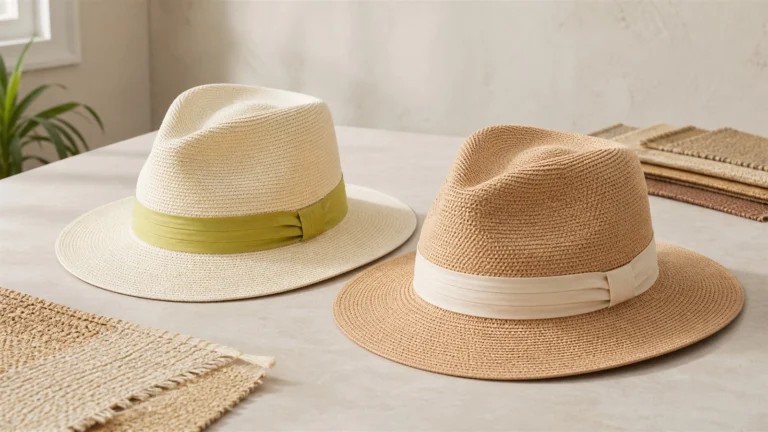
Two straw hats can share the same crown height, brim width and artwork yet look noticeably different when finished. Material is not simply a surface choice applied after the shape is designed. It contributes to the structure itself.
For B2B buyers, that distinction changes how a custom straw hat should be specified. A reference photo can communicate the silhouette, but it cannot define fiber identity, strand width, weave density, surface variation or the material’s response to finishing. Those details belong in a bill of materials (BOM), construction notes and an approved physical sample.
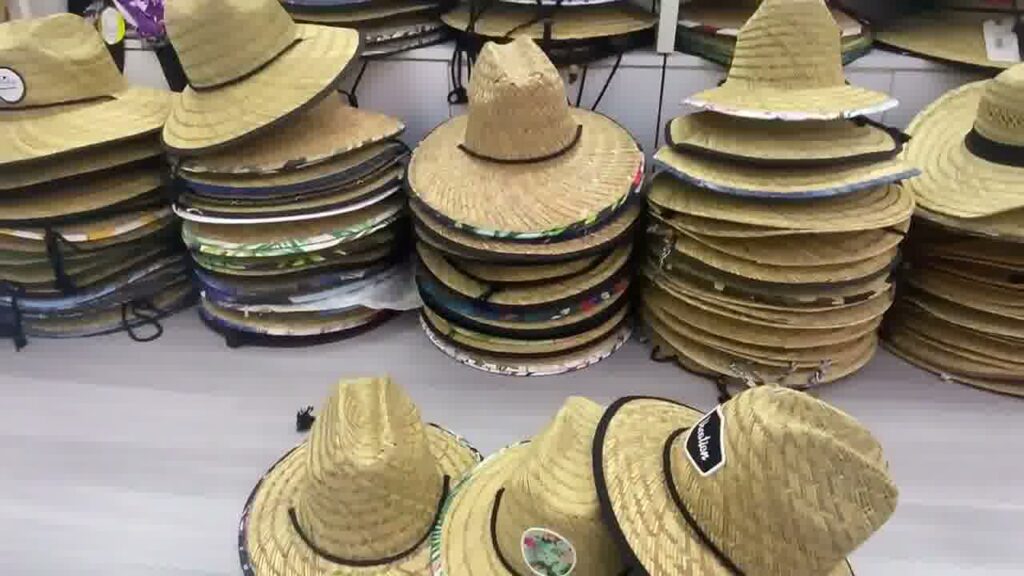
It also explains why the question “what are straw sun hats made from?” has no single answer. “Straw” is a broad commercial category, not a complete material specification. Depending on the style and supplier, a straw sun hat may use a named plant material, paper-based braid, synthetic construction or a combination of materials. Similar-sounding terms do not necessarily identify the same plant or preparation method. Rush and cattail, for example, should not be treated as interchangeable names.
The practical sourcing question is not only Which straw is this? It is also How does this exact material behave in this construction, with this finish and branding method?
Table of Contents
What Buyers Need to Know About Straw Material Names
A material name may refer to:
- A plant source
- The part of a plant used
- A regional craft tradition
- A processed braid or sheet
- A visual style rather than a verified composition
- A blend or mixed construction
Toquilla illustrates why these distinctions matter. UNESCO describes the traditional Ecuadorian toquilla straw hat as being made from fibers of the Carludovica palmata plant. Its fibers are prepared, woven and finished through a specific craft process. “Panama hat,” by contrast, is commonly used as a market style name and does not by itself confirm authentic Ecuadorian toquilla or that traditional process.
Similarly, “rush-style” may be useful during development to communicate a broad, rustic appearance. It should not appear as the confirmed material in a final specification unless the supplier verifies the composition. Nor should “rush-style” be assumed to mean cattail or any other specific plant.
For procurement, request both:
- The commercial material name used in sourcing and production.
- The composition stated in the BOM or product specification.
When composition affects positioning, labeling or import documentation, request supplier evidence rather than relying on appearance.
A Buyer-Safe Material Verification Matrix
Comparisons are useful only when they separate a sourcing term from a verified specification. Instead of assigning universal weight, flexibility or stiffness ratings to a material family, use the matrix below to identify what must be confirmed for the selected SKU.
| Sourcing or development term | What the term may communicate | What the buyer must verify | Approval evidence |
|---|---|---|---|
| Paper-based braid | A processed braid used to build a woven hat body | Fiber declaration, braid width, finished weight, forming method and moisture-care limits | BOM, formed sample and packing trial |
| Named plant fiber, such as toquilla | A declared botanical or regional material identity | Exact fiber name, origin claims where relevant, construction method and supporting documentation | Supplier declaration and applicable provenance documents |
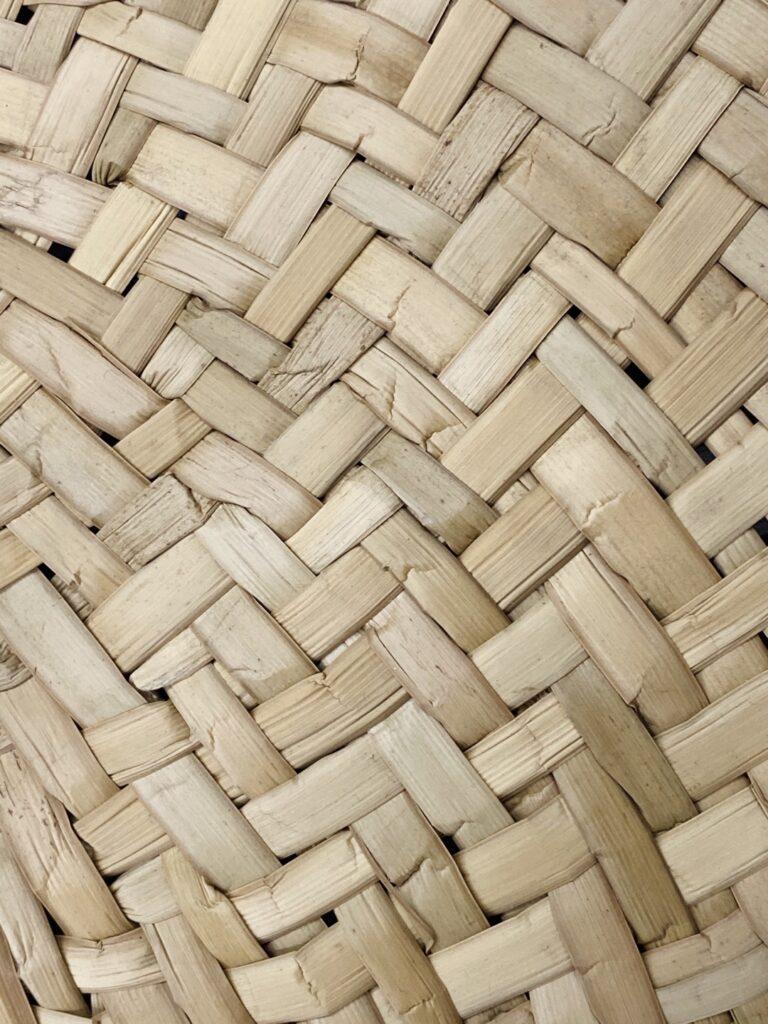
| Mat or rush-style direction | A broad, segmented or rustic visual reference | Actual composition; do not assume rush, cattail or another plant from appearance | Material declaration, close-up reference and approved sample |
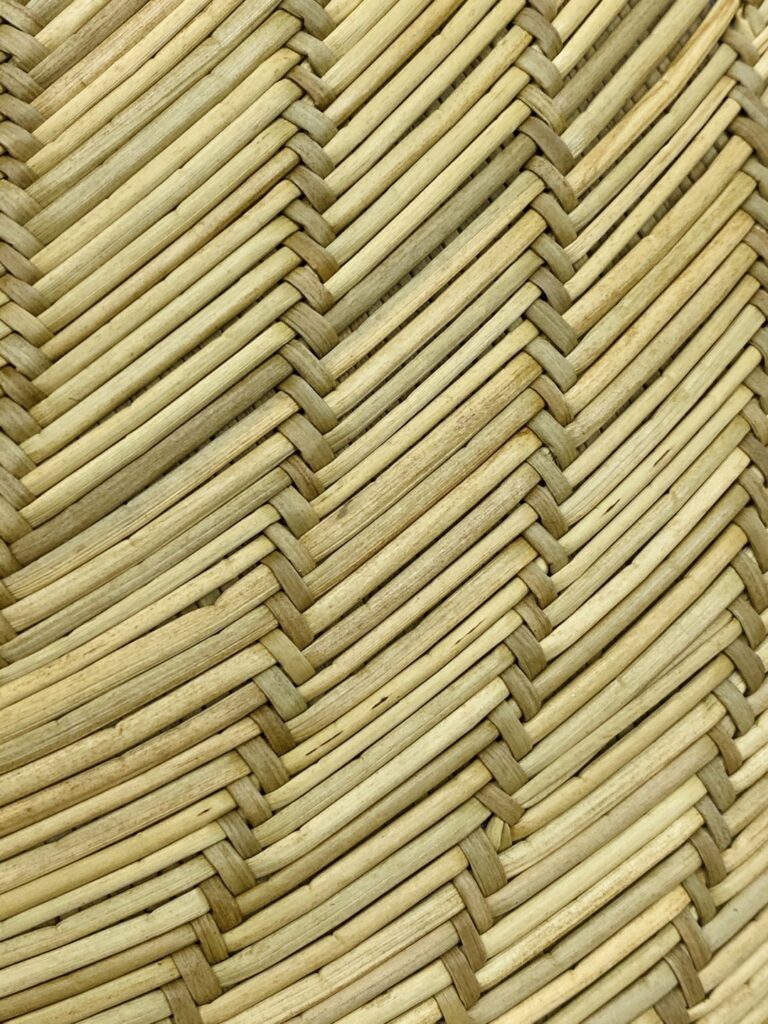
| “Hollow” or open-weave direction | A visual construction with visible openings | Actual fiber, opening range, reinforcement, edge construction and decoration support | Weave reference, complete hat sample and decorated sample |
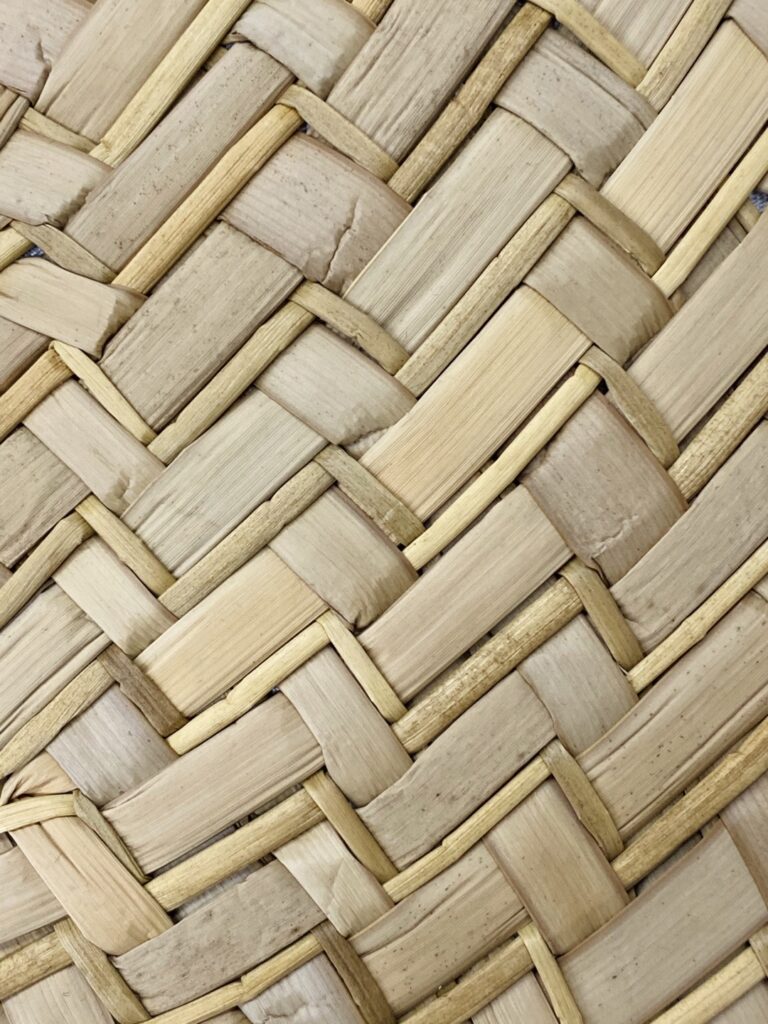
| Mixed-weave direction | Two or more visible materials, strand formats or weave zones | Composition and location of each component, transition placement and repeat consistency | Material map, tolerance reference and complete hat sample |
Any numerical target—such as finished weight, brim deflection, opening size or recovery after packing—should be recorded for the specific construction and test method. It should not be copied from a generic material category.
How Static Material Properties Change the Hat
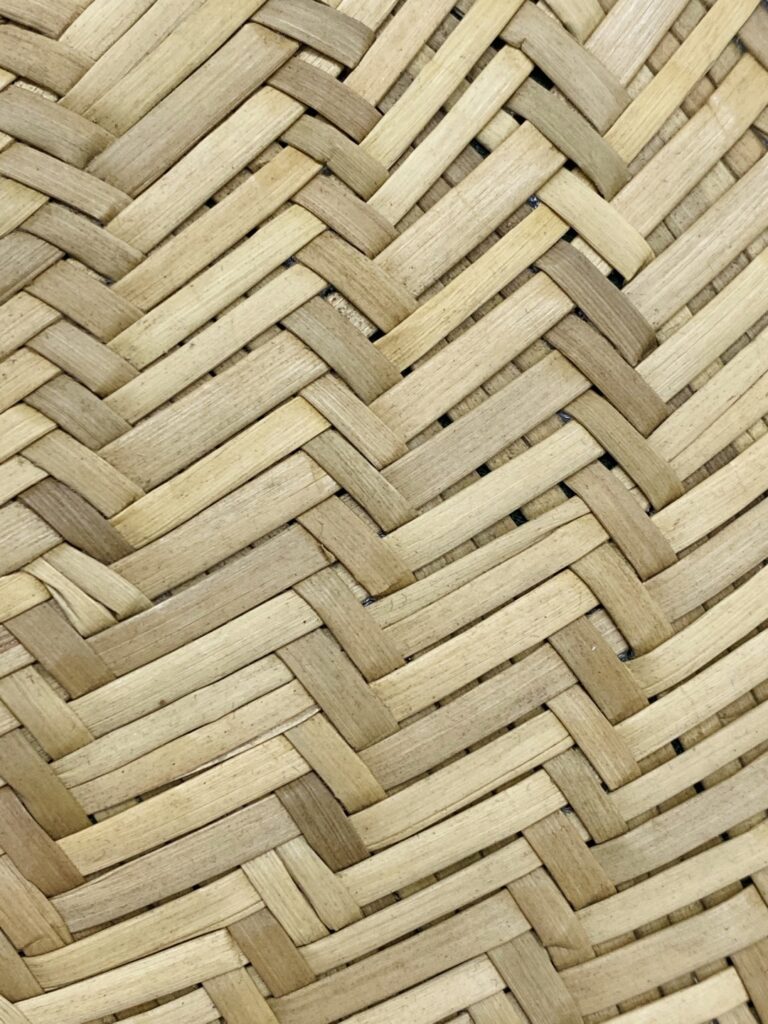
A finished hat reflects the interaction of strand form and weave geometry before blocking and finishing are considered. Using the same nominal silhouette does not guarantee the same surface or edge definition across different constructions.
Strand Form Affects Surface and Edge Definition
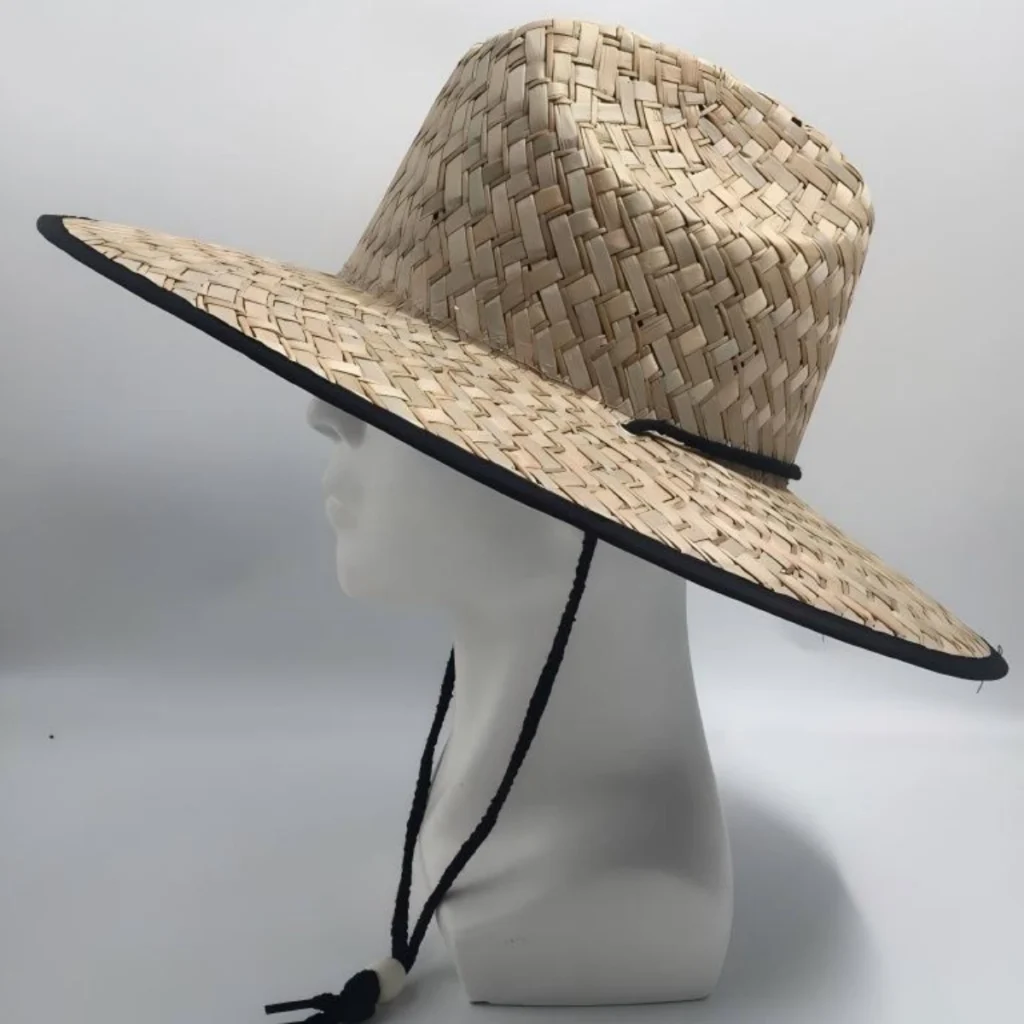
Broad or flat elements may create a larger, more segmented surface pattern. Finer strands may produce a more detailed appearance, although spacing, braid construction and joining methods also influence the result.
These variables can change crown definition, the brim edge and the transition between crown and brim. A request for a “cleaner” or “more premium” finish is too subjective on its own. Translate it into observable criteria:
- Acceptable strand-width variation
- Target weave appearance
- Crown and brim symmetry
- Edge profile
- Visibility and placement of joins
- Permitted color and texture range
These criteria give the sample team a clearer reference than a style adjective.
Weave Geometry Affects Appearance and Raises Structural Questions
An open pattern may look lighter, while a closer pattern may read as more continuous. That visual difference does not support a universal breathability claim. Actual air movement depends on the complete construction, including weave geometry, lining, sweatband, decoration and how the hat sits on the wearer.
Open areas also change the available structure for attaching a patch, label or embroidered element. A logo position that works on a close-woven crown may cross gaps or disturb the pattern on a more open version.
Treat airflow, logo support and shape retention as sample-test items, not as performance conclusions drawn from a style or material name.
How Blocking, Finishing and Handling Change the Result
Hat blocking forms material over or into a defined shape. The Smithsonian’s collection of straw-hat blocking machinery demonstrates that shaping is an active manufacturing stage, not an automatic result of material selection.
In product development, the outcome may also be influenced by pressing, moisture control, stiffening or setting treatments, edge binding and reinforcement. Depending on the actual construction, these variables can alter:
- Crown definition
- Brim angle
- Surface flatness
- Edge appearance
- Hand feel
- Presentation after packing
Moisture, Handling and Packing May Affect Shape
Plant-based woven objects can respond to their environment. The Canadian Conservation Institute notes that relative-humidity changes can make plant materials swell, shrink or distort. Forming, handling, packing and storage may therefore influence the shape a buyer receives.
A brim that looks different after transit does not automatically mean the original mold changed. During review, distinguish among approved geometry, temporary packing deformation, material movement, setting differences and changes to the edge or reinforcement.
Ask how samples are conditioned and packed. When appropriate, review the hat after it adjusts to the evaluation environment. If post-transit appearance matters, define the packing method and evaluation interval in the sample record.
A loose material swatch is therefore not enough. It shows color, texture and weave, but not how the construction behaves after forming.
For wide-brim straw sun hats, review the chosen material at the intended brim dimension. A construction that appears suitable in a small swatch may present differently across a broader finished area.
Claim-Safe Material and Weave Decision Cards
Use these vertical decision cards to compare development directions on desktop or mobile. They describe visual and construction targets; they do not verify composition or guarantee performance.
Mat or rush-style direction
- Possible visual direction: Broad, rustic or visibly segmented surface; natural-looking variation may be prominent.
- Structural question: Does the finished crown and brim meet the required geometry? How are joins and edges controlled?
- Branding implication: Direct embroidery may interact with surface variation. Patches and other methods still require placement testing.
- Buyer approval: Confirm composition, weave reference, color range, formed shape, joins, edge treatment and the decorated sample.
“Hollow” or open-weave visual direction
- Possible visual direction: Visible spacing and a lighter-looking pattern.
- Structural question: Are open areas consistent? Does the crown or brim require added support? Do not infer airflow performance without testing.
- Branding implication: Logo placement may cross gaps; backing, patch size and attachment method need sampling.
- Buyer approval: Confirm the material description, openness range, support construction, logo position, attachment appearance and complete-hat evaluation.
Mixed-weave visual direction
- Possible visual direction: Contrast among zones, patterns or strand formats.
- Structural question: Where do transitions occur, and how do they affect shape, symmetry and edge control?
- Branding implication: Position branding in relation to the weave zones; decoration may behave differently across areas.
- Buyer approval: Confirm the material map, transition placement, front orientation, repeat consistency, branding method and tolerance sample.
Words such as “hollow” and “mixed” may describe an appearance without proving fiber composition. Record supplier-confirmed materials separately. Because behavior depends on the SKU and process, the approved sample remains an essential production reference.
Material Choice Changes Logo Feasibility
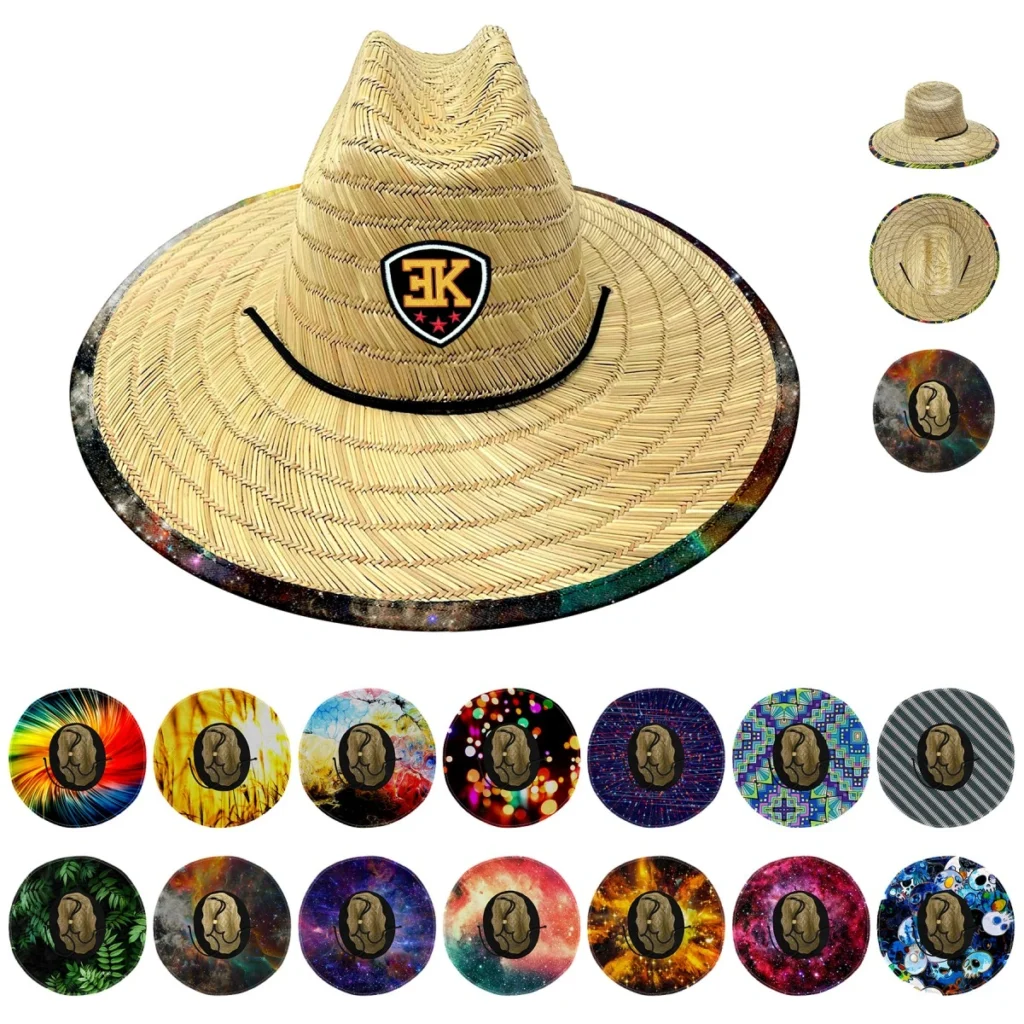
Artwork approval and hat approval are separate decisions. A digital mockup can indicate approximate logo scale and placement, but it cannot confirm how the decoration will interact with the actual weave.
For embroidery, total thickness, surface stability, backing and machine setup all matter. Brother’s guidance warns that thick hat areas can create machine and needle problems. Limits depend on the equipment and construction, so artwork approved for a fabric cap may not transfer unchanged to a straw body.
During custom straw hat logo development, evaluate:
- Whether the target area sits flat enough for the selected method
- Whether stitches, patch edges or attachment points cross open spaces
- Whether the decoration pulls or compresses the weave
- Whether the finished logo remains level when the hat is worn
- Whether logo color and edge definition remain legible against natural variation
If the branding method changes, request a revised decorated sample or another agreed approval reference.
Sample Approval Checklist for Straw Material and Finish
Keep comments in one consolidated record. Mark each item as approved, revise or not applicable.
Material identity
- Commercial material name recorded
- Composition confirmed in the specification or BOM
- Rush, cattail, toquilla and other terms used precisely
- Confirmed mixed materials mapped by hat area
- Acceptable color and texture variation agreed
Weave and surface
- Weave direction or reference sample identified
- Strand scale and visible spacing reviewed
- Open areas and pattern repeat checked
- Joins and transitions placed as expected
- Front orientation clearly marked
Structure and finish
- Crown height, shape and symmetry checked
- Brim width, angle and edge profile reviewed
- Stiffening, setting, binding or reinforcement recorded where applicable
- Surface flatness and visible workmanship reviewed
- Packing method included in the evaluation
Branding
- Final artwork version identified
- Logo method, size and position measured
- Backing or attachment method confirmed
- Interaction with gaps, joins and transitions checked
- Labels and trims included in the approved scope
Approval record
- Sample photos and physical reference retained
- Measurement sheet attached
- Accepted variations and open deviations listed
- Approver and approval date recorded
- Changes requiring a new review defined
Evaluate the physical sample together with the written specification. Approving one without the other leaves unnecessary room for interpretation.
Specify the Result, Not Just the Straw Name
Material names help narrow the search, but they do not fully define a finished hat. A stronger sourcing brief connects verified material identity with visible and measurable outcomes: composition, weave reference, crown and brim geometry, edge treatment, acceptable variation, branding method and packing condition.
This approach also makes supplier comparisons more meaningful. Instead of asking which vendor offers the “best straw,” buyers can assess whether each proposed construction meets the same approved requirements.
Compare materials before approving the hat body.
Request a material swatch kit with confirmed composition, weave references and decoration options for your project.
Request Material Samples
Review the TerraHats sample policy to plan the approval process.
Sources and Further Reading
- UNESCO — Traditional weaving of the Ecuadorian toquilla straw hat
- Canadian Conservation Institute — Care of basketry and plant materials
- Heritage Crafts — Hat making
- Smithsonian National Museum of American History — Straw-hat blocking machinery
- Brother USA — Hat thickness for embroidering
- Fibers — Review of fabric porosity and air permeability