-
WhatsApp +86 15116118247
-
Any Questions info@terrahats.com
Why Straw Cowboy Hat Brim Shape Should Be Approved Before Bulk Production
Approve the three-dimensional brim and crown result on a physical straw cowboy hat sample, then lock the measurement, packing and variation references before bulk production.

A straw cowboy hat can match the requested brim width and still look wrong.
The reason is simple: brim shape is three-dimensional. The finished look depends on more than the distance from crown to edge. Side roll, front and rear curve, edge treatment, left-right balance, crown profile, and the way the brim sits after packing all contribute to the silhouette.
For a commercial order, the safer approval point is not “cowboy style approved.” It is a specific physical sample, supported by a written production reference that records the shape details that matter for that order.
That distinction matters when a buyer wants the bulk shipment to stay recognizably close to the approved direction without pretending that every natural-material hat will be visually identical.
What “Brim Shape” Actually Includes
A cowboy brim is not just a width measurement. Shape includes the way the brim rises, falls, rolls, or stays flatter around the crown.
Useful approval fields can include:
- front brim projection;
- side brim projection;
- rear brim projection;
- side roll or lift;
- front and rear curve;
- edge finish;
- left-right balance;
- the transition between crown and brim;
- the crown profile that the brim is paired with.
Specialist cowboy-hat shape guides also treat crown and brim as related but distinct choices. NRS, for example, describes brim profiles using characteristics such as front width, corner shape, side height, and rear form, while The Cow Lot presents crown-and-brim combinations from several viewing angles. Those examples are useful terminology references, but they are not universal manufacturing specifications.
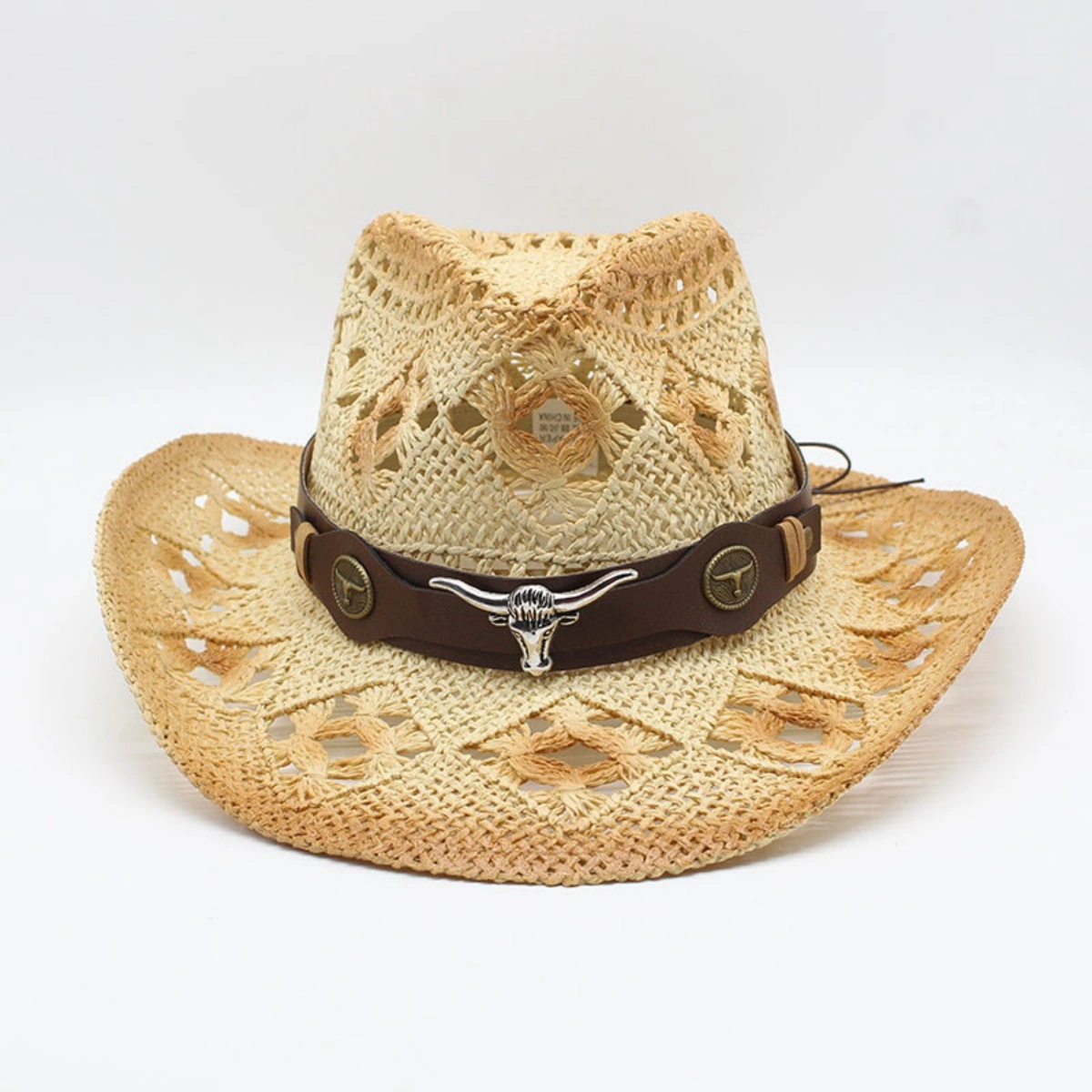
TerraHats uses the same practical distinction on its Western-style straw cowboy hat reference: the brim is described as a curved, upturned profile, while project approval is expected to confirm the selected sample’s finished width, side roll, front and rear curve, edge treatment, and appearance after packing.
Review the complete crown-to-brim silhouette, not only the brim width.
The commercial family page remains the place to compare Straw Cowboy Hats as a product direction. This article deals with a narrower question: how to approve the shape once a direction has been selected.
Why a Style Name or One Photo Is Not Enough
Names such as “curved brim,” “Western brim,” or a named cowboy-hat shape are useful shorthand. They are not complete production instructions.
Two hats can carry the same broad style description while differing in side lift, front flatness, rear curve, crown height, symmetry, and overall proportion. Even specialist retailers use different naming systems for related profiles.
A single photograph has another limitation: perspective.
Camera height, distance, lens, lighting, and the way the hat is positioned can change how a curve appears. A front image may hide a rear rise. A side image may not show left-right imbalance. A product photo can communicate the intended character of the hat, but it does not establish every measurement point or inspection method.
That is why the stronger approval system uses several references together:
- a physical sample for the three-dimensional result;
- controlled images from useful angles;
- a written specification for measurable fields and revision control;
- an agreed method for checking those fields.
The broader TerraHats guide on brim and crown measurements explains why the measurement point and method must be defined before a number becomes useful.
What to Approve on the Physical Sample
The physical sample answers the question a drawing cannot fully answer: does the complete hat look and behave like the product you intend to release?
For a straw cowboy hat, review the brim and crown as one visual system.
Brim profile
Look at the hat from the front, both sides, rear, and above where useful. Confirm the intended relationship between:
- the flatter or curved front section;
- the side roll or lift;
- the rear profile;
- the edge treatment;
- the crown-to-brim transition.
Do not assume one side proves the other. If symmetry matters, inspect both sides.
Crown relationship
The same brim can read differently under a taller, lower, narrower, wider, or differently creased crown. Review crown height and profile together with the brim instead of signing them off as unrelated details.
Finished components
Approve the shape after the components that can affect presentation are installed. Hatbands, edge binding, decorative hardware, labels, or other selected construction details can change how the finished hat sits or how the eye reads the silhouette.
The actual selected construction
Do not infer a construction detail from a photograph. The current TerraHats cowboy reference, for example, explicitly does not treat product images as proof that the brim contains wire reinforcement or has a fixed rigidity grade. Those details must be verified against the selected sample and order requirements.
For the wider approval workflow, see why physical sample approval matters before bulk.
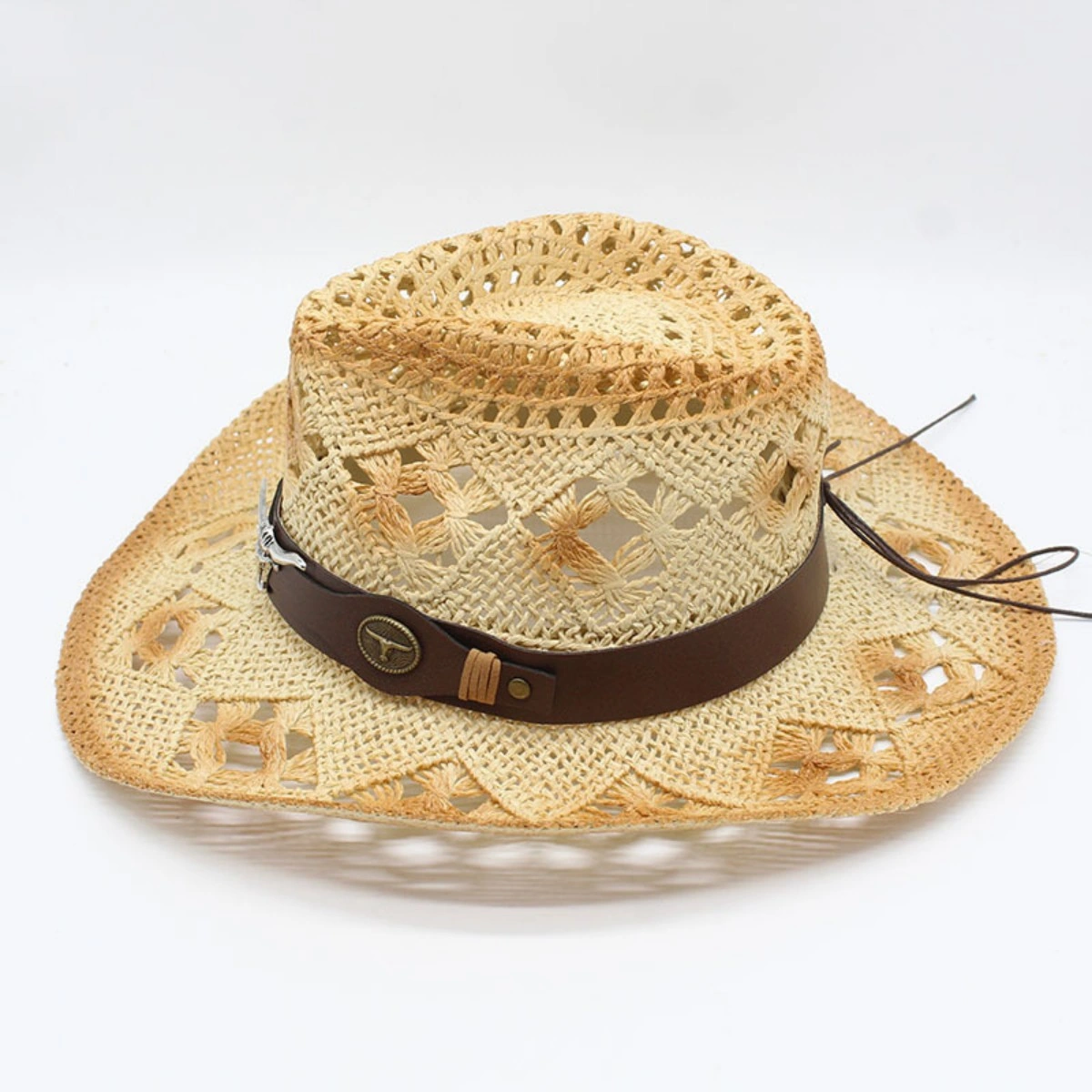
Approve the brim from multiple angles so front, side and rear profile are not inferred from one photograph.
Turn the Approved Shape Into a Written Production Reference
The sample shows what “approved” looks like. The written specification makes the important parts repeatable and inspectable.
A useful cowboy-hat shape reference can record:
| Control field | What the buyer should define |
|---|---|
| Sample identity | Approved sample or revision code and approval date |
| Brim measurement points | Front, side, rear, or other order-specific points |
| Measurement path | Straight projection, surface path, or another defined method |
| Side profile | The approved roll/lift direction and visual reference |
| Front/rear profile | The accepted curve or flatter section for the selected design |
| Crown landmark | Where crown height or profile is checked |
| Symmetry | Whether left-right balance requires a separate visual or dimensional check |
| Edge finish | Binding, raw/finished edge, or other selected treatment |
| Product condition | How the hat rests or is supported during review |
| Variation boundary | Product-specific acceptance range or visual limit |
| Packing reference | Approved packing configuration when it can affect shape |
The table deliberately does not supply a universal tolerance. A tolerance only makes sense after the product, material, construction, measurement point, and method are defined.
If the buyer accepts a change after the sample review, update the controlled reference. The sample and written specification should not tell different stories.
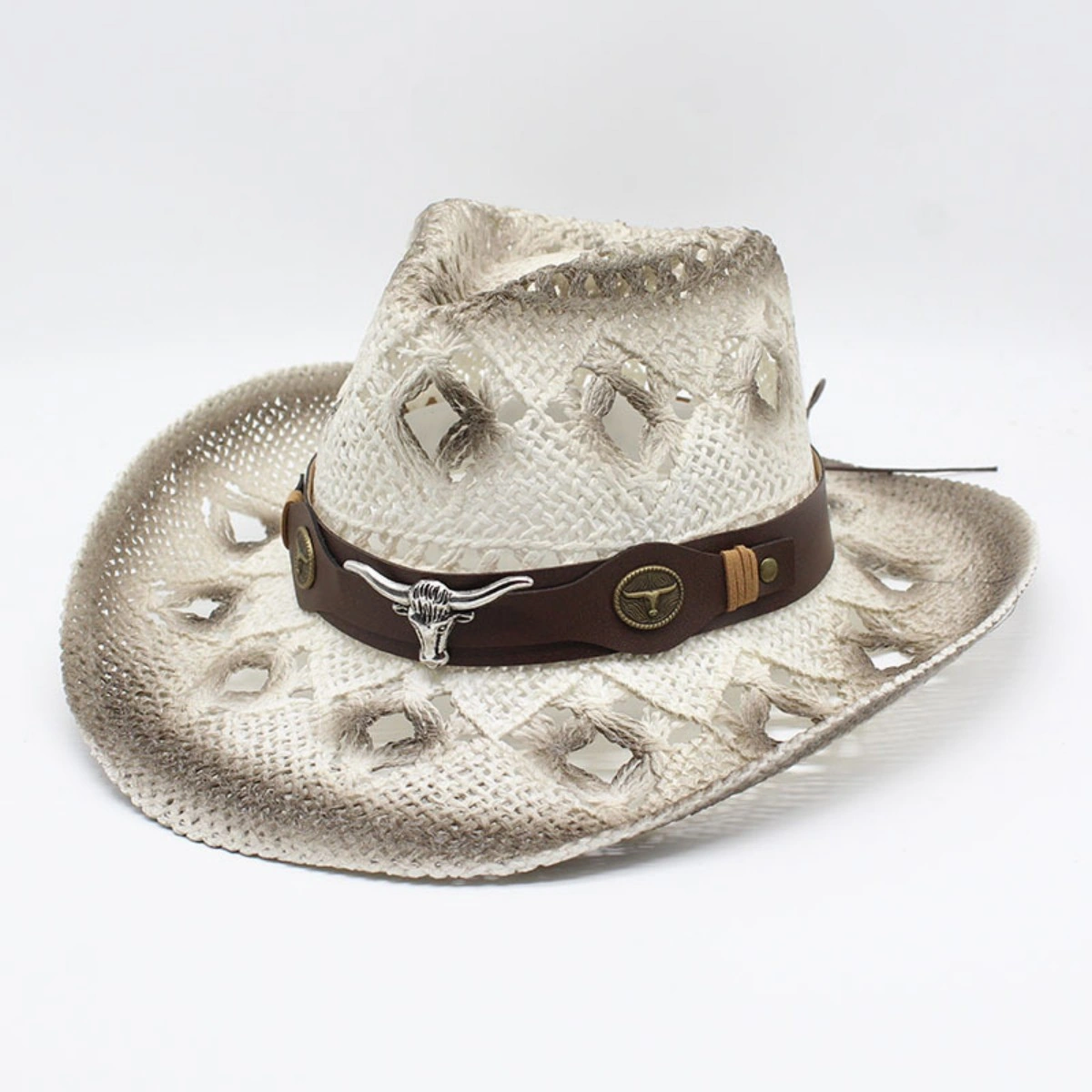
Controlled images support the specification, but the physical sample and measurement method remain separate references.
Approve the Packed Condition, Not Only the Unpacked Hat
A shaped brim can leave production in the approved condition and still present differently after packing.
That does not mean every straw cowboy hat requires the same carton, insert, nesting arrangement, or support. It means the packing method should be treated as order-specific evidence when the product is shape-sensitive.
Review questions can include:
- Are hats nested, separated, or individually supported?
- Does the crown carry pressure from another unit?
- Does the brim touch the carton wall or another hat?
- Are decorated surfaces isolated where necessary?
- Is empty space controlled without pressing on the brim or crown?
- Does the hat return to the approved presentation after the intended pack-out is opened?
TerraHats covers those decisions in more detail in Why Wide-Brim Hats Need a Defined Packing Method.
The key point is not to promise that shipping damage or deformation can never occur. The useful control is to define the intended pack-out, review it against the actual construction, and include the delivered shape in the approval boundary when it matters.
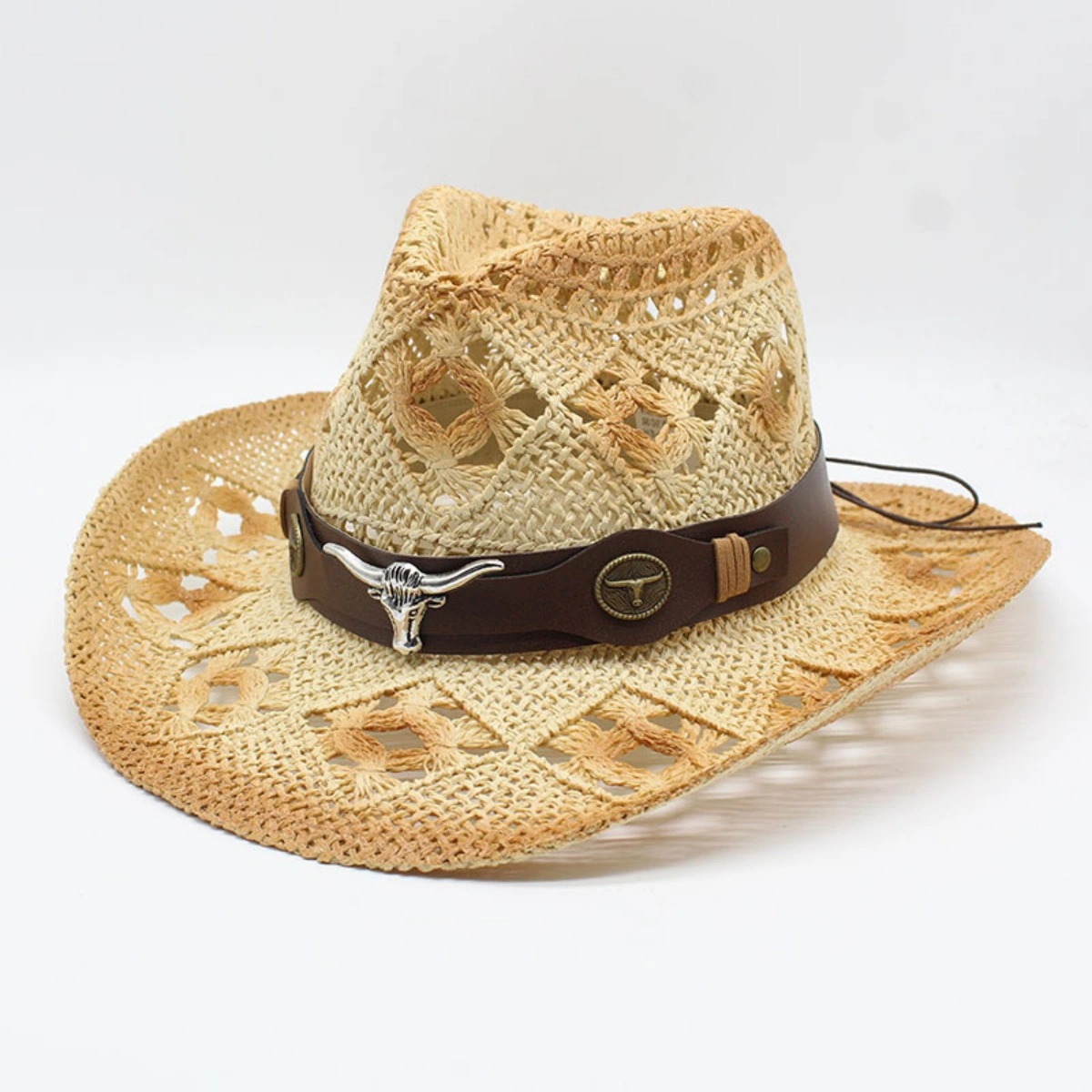
If packing can change the brim or crown, review the packed and unpacked condition before bulk release.
Define Sample-to-Bulk Variation Before Release
Sample approval is a reference point, not a promise that every bulk unit will be a microscopic copy of one hat.
Natural straw can vary in tone, strand character, and surface texture. Repeated forming, trimming, finishing, handling, and packing can also introduce variation. Those differences should not all be treated the same way.
A practical review separates at least four situations:
- expected natural variation within the approved range;
- controlled process variation within the stated requirement;
- approved deviation documented for a defined scope;
- unapproved difference or nonconforming result outside the locked reference.
This distinction prevents two opposite mistakes: rejecting normal, approved variation as though it were a defect, or using “natural material” as a blanket excuse for the wrong construction, changed component, damaged brim, or uncontrolled shape.
The TerraHats guide on sample-to-bulk differences explains this classification in more detail.
Buyer Sign-Off Checklist Before Bulk Release
Before releasing a shaped straw cowboy hat into bulk production, confirm that the approval file answers these questions:
- ☐ Which physical sample is the approved production reference?
- ☐ Is the sample/revision clearly identified and dated?
- ☐ Is the intended brim profile visible from enough angles?
- ☐ Are front, side, and rear brim controls defined where they matter?
- ☐ Is the crown profile reviewed together with the brim?
- ☐ Are the measurement points and methods written down?
- ☐ Are product-specific variation limits or visual boundaries defined?
- ☐ Are branding and edge components shown on the approved construction?
- ☐ Is the packing method reviewed if it can change the hat’s shape?
- ☐ Is the post-packing appearance acceptable?
- ☐ Will bulk inspection compare against the same sample and written revision?
- ☐ Is there a change-control step if material, construction, decoration, or packing changes?
If several of those answers are still “to be confirmed,” the product may be visually promising but the production reference is not yet complete.
Frequently Asked Questions
Why can’t I approve the brim from a product photo?
A photo is useful for communicating direction, but perspective and viewing angle can hide shape differences. Use controlled images as supporting evidence, then approve the actual three-dimensional result on a physical sample and record the critical measurement method separately.
What should be measured on a straw cowboy hat brim?
There is no universal list for every construction. Common order-specific fields can include front, side, and rear brim projection, crown height at a defined landmark, and symmetry or profile checks. Select only the fields that control the chosen design.
Is brim width the same as brim shape?
No. Width describes a distance. Shape describes the three-dimensional profile—such as side lift, curve, roll, edge form, and the relationship to the crown.
Does an approved sample guarantee every bulk hat will be identical?
No. The sample establishes the intended physical reference. The written specification and approved variation boundaries explain how bulk production is judged around that reference.
Should packing be approved with the hat sample?
When packing can affect the brim or crown, it is useful to review the intended pack-out and the post-packing appearance. The exact method depends on the selected construction and distribution requirements.
Can every straw cowboy hat be reshaped after shipping?
Do not assume that. Material, weave, reinforcement, finishing, and construction can change how a hat responds. Any reshaping or recovery expectation should be verified for the selected product rather than inferred from generic retail advice.
When should another sample review be triggered?
Re-review is appropriate when a proposed change can alter the approved result—for example a material or construction change, a materially different crown/brim profile, decoration that affects structure, or a packing change that alters the delivered presentation.
Approve the Shape as a Production Reference
The goal is not to turn a cowboy hat into a drawing full of unnecessary measurements. It is to identify the few controls that make the approved silhouette clear to the buyer, production team, and inspector.
Start with the family direction on Straw Cowboy Hats, compare it with the Western-style curved-brim reference, and then use the physical sample plus written specification to lock the final brim/crown result before bulk release.
For the broader sampling workflow, review the TerraHats sample policy.
References