-
WhatsApp +86 15116118247
-
Any Questions info@terrahats.com
Why Physical Sample Approval Matters Before Bulk
Learn why physical sample approval matters before bulk custom hat production and review structure, material, dimensions, branding and packing.

Approving a custom hat from a screen is easy. Approving what will actually be manufactured requires more evidence.
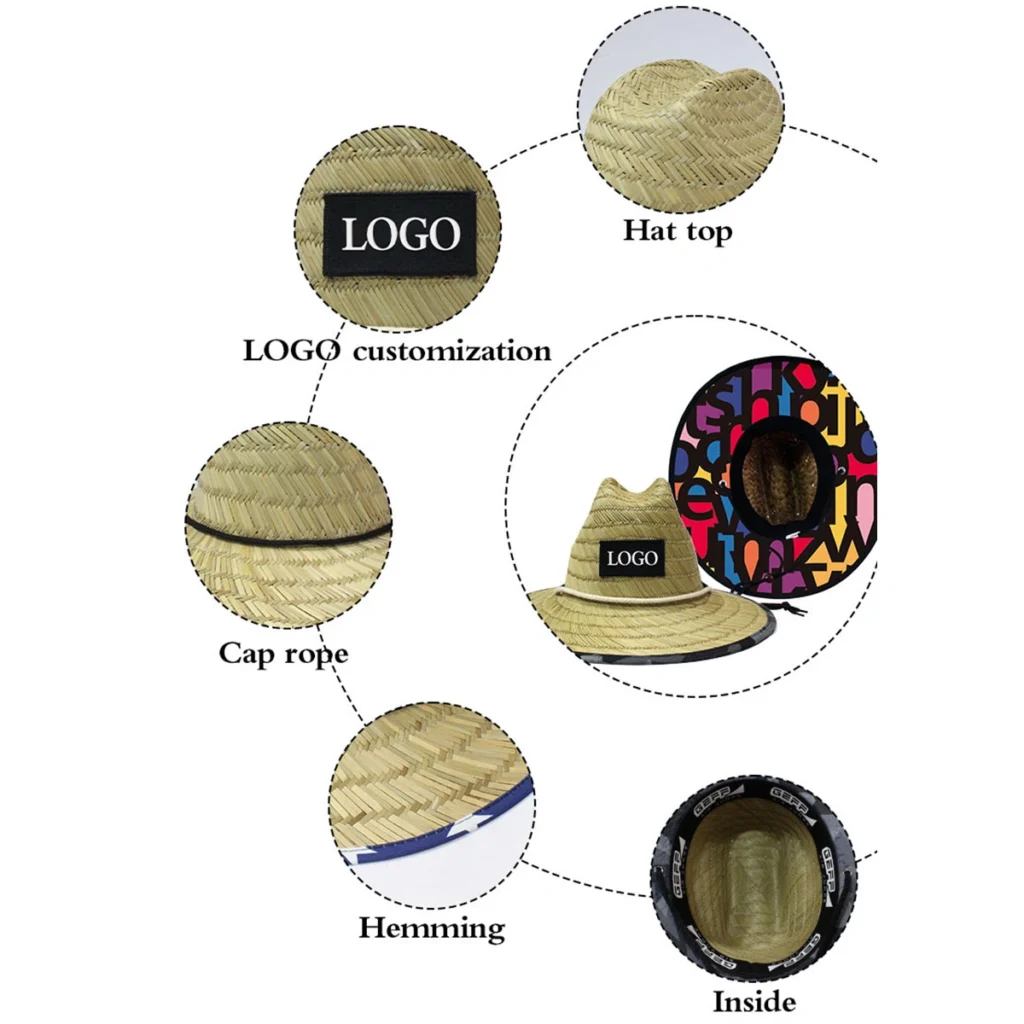
A digital mockup may show that the correct logo file has been placed on the intended part of the hat. It cannot fully show how the selected material feels, how the crown holds its shape, whether the brim proportion works in three dimensions, how a patch sits across a woven surface or how the finished hat fits.
That is why a controlled custom hat sample approval matters before bulk production. It gives the buyer and supplier a shared, tangible reference for the product they intend to make.
However, the sample should not stand alone. A reliable production reference combines:
- An approved physical sample
- An approved written specification
- Identified artwork and label files
- A dated approval and revision record
- Defined boundaries for acceptable variation and future changes
Together, these references reduce ambiguity without implying that every natural-material hat will look identical to one sample.
Table of Contents
Quick Answer: Why Approve a Physical Sample Before Bulk?
A physical sample allows the buyer to review characteristics that a quotation, reference photo or digital mockup cannot fully establish, including:
- Material color, texture and hand feel
- Crown and brim shape
- Finished measurements and fit direction
- Logo scale, position and physical execution
- Interaction between decoration and the hat surface
- Labels, trims and selected packaging elements
- Visible workmanship
- Natural-material variation
- The combined appearance of all approved components
The sample turns abstract instructions into a product that stakeholders can hold, inspect, wear and compare with the written specification.
It does not remove all production variation or replace an agreed quality plan. It creates a clearer reference for controlling that variation.
Digital Mockup vs. Physical Sample: They Approve Different Things
A digital mockup and a physical sample are both useful, but they answer different questions.
A mockup is primarily a communication tool. It can help confirm artwork direction, approximate scale, placement and color intent before physical development begins.
A physical sample is a product-development and approval tool. It shows how the proposed materials, construction and decoration come together in three dimensions.
| Approval tool | Useful for reviewing | Cannot fully confirm |
|---|---|---|
| Digital mockup | Artwork file, general logo placement, approximate scale, color direction and overall visual concept | Actual material texture, fit, structure, decoration quality, hand feel or finished workmanship |
| Material swatch | Color range, surface character, weave or fabric direction and basic hand feel | Complete hat shape, fit, finished brim behavior or decoration on the final construction |
| Decoration test | Embroidery, patch, print or attachment appearance on a selected test area | Complete product proportions, all trims, fit or packaging |
| Physical sample | Finished shape, measurements, material, fit direction, decoration, labels, trims and visible workmanship within the agreed scope | The result of unapproved changes or the exact appearance of every unit made from naturally variable material |
| Written specification | Materials, measurements, artwork versions, construction, labels, packing and other production requirements | The complete tactile and visual result without a corresponding physical reference |
A mockup may be sufficient for an early design discussion. It should not automatically be treated as approval of the finished physical product.
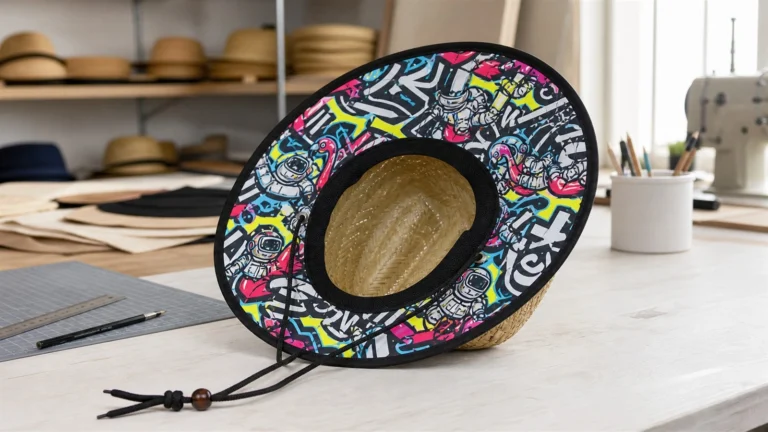
For example, a logo that looks balanced on a flat screen may appear too large once wrapped around a curved crown. A printed under-brim design may need adjustment around the brim edge. A patch may cross open areas in a straw weave or sit differently after attachment.
The correct approval path depends on the actual style and customization scope. Buyers can use the TerraHats sample policy to organize the applicable sample and review stages.
What Buyers Should Approve on the Physical Sample
“Sample approved” is too broad unless the reviewed characteristics are recorded. A practical approval table makes the decision easier to communicate internally and to the supplier.
| Review area | What to check on the sample | What to record in writing |
|---|---|---|
| Product identity | Correct hat style, intended use and wearer group | Style or project code and sample version |
| Material | Material direction, color, texture, weave and hand feel | Material name or bill-of-materials reference, color reference and acceptable variation |
| Shape and proportion | Crown profile, brim width, brim angle, symmetry and edge appearance | Critical dimensions, measurement method and approved visual reference |
| Fit | Head opening, depth, comfort direction and relevant size range | Size designation, target measurements and evaluation method |
| Logo or decoration | Method, scale, placement, orientation, color and edge definition | Final artwork version, dimensions, position references and application method |
| Under-brim artwork | Print placement, orientation, coverage and interaction with edge binding | Approved artwork file and placement notes |
| Labels and trims | Main label, size label, care or content label, sweatband, chin cord, toggle and binding | Component list, files, materials, colors and locations |
| Workmanship | Visible joins, loose elements, surface marks, attachment security and overall finish | Observable acceptance points and any approved deviations |
| Packaging | Included unit packing, inserts, tags, stickers or barcode position | Packing specification and approved files |
| Natural variation | Color, texture, strand or weave differences considered acceptable | Written boundary, range samples or approved reference photos |
| Open issues | Anything accepted temporarily or still requiring action | Deviation, owner, required action and approval status |
Not every order requires every row. Mark non-applicable items rather than leaving them blank, and identify anything excluded from the sample scope.
If retail packaging was not included in the sample, for example, the approval record should not imply that packaging was approved.
Why the Approved Sample Needs a Written Specification
A physical sample is rich in visual and tactile information, but it does not explain every production requirement.
Someone looking at a finished hat may not know:
- Which artwork file was used
- Which material or component code was selected
- How a measurement should be taken
- Whether a visible difference was intentional
- Which label text is commercially or legally required for the intended market
- Which packaging elements were excluded from the sample
- Which variation was accepted
- Which later changes require another review
A written specification fills those gaps.
The specification may include the bill of materials, measurements, construction notes, artwork references, logo method, label content, trim details, color references, packaging instructions and other order-specific requirements.
The approved physical sample and written specification should work as a pair:
The sample demonstrates the approved result; the specification identifies the approved requirements.
If the two conflict, the conflict should be resolved before bulk release. Do not leave the production team to guess whether the sample or an older document takes priority.
A practical release record should identify:
- Physical sample version or sample code
- Specification version
- Artwork version
- Label and packaging file versions
- Approver
- Approval date
- Approved deviations
- Open items, if any
- Changes that require renewed approval
For complex private-label straw hat programs, link this record to the purchase order or other agreed production-release document.
Natural Materials Need an Approval Boundary, Not an Identical-to-Sample Promise
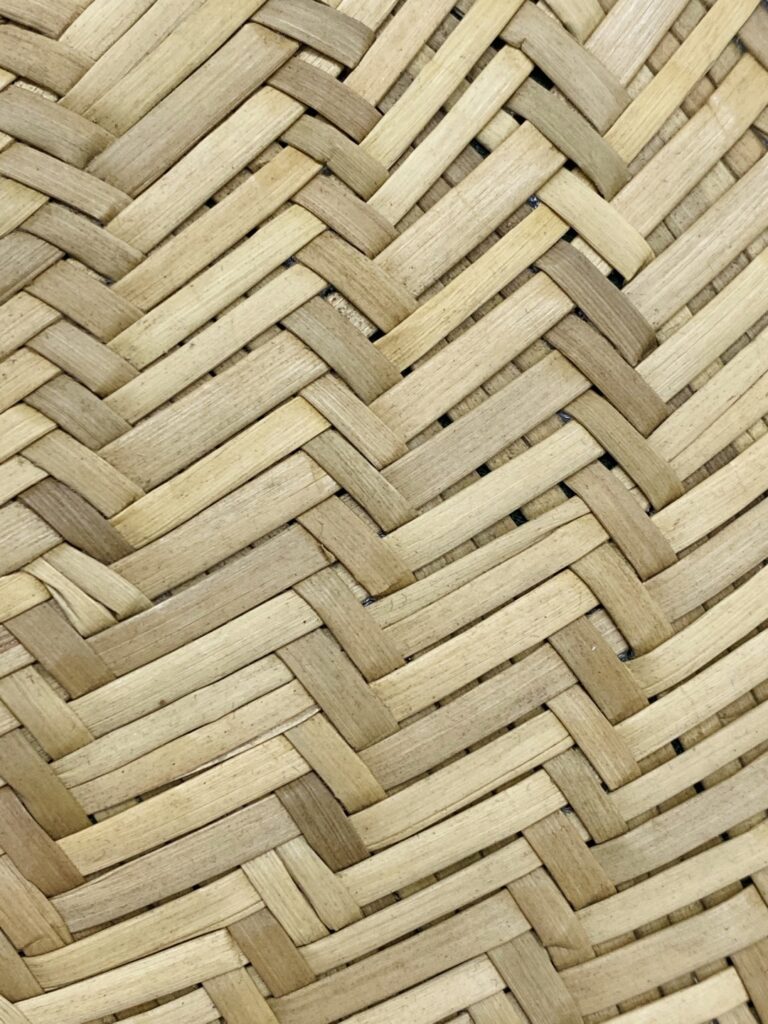
Straw and other naturally variable materials do not behave like a uniformly printed digital surface.
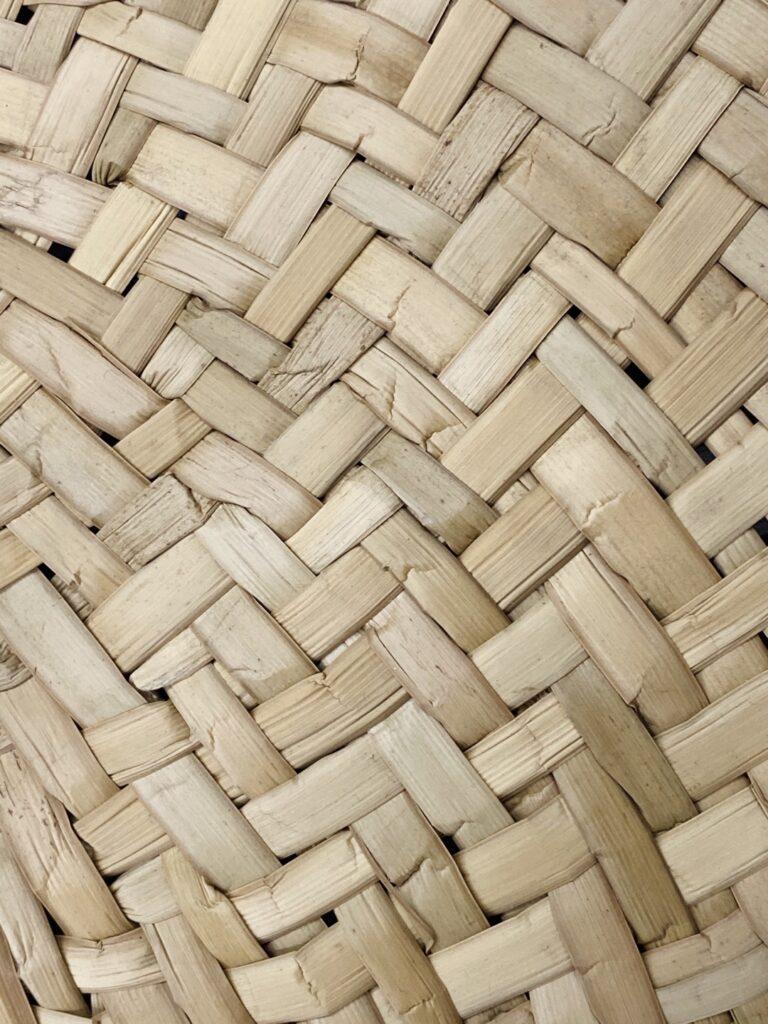
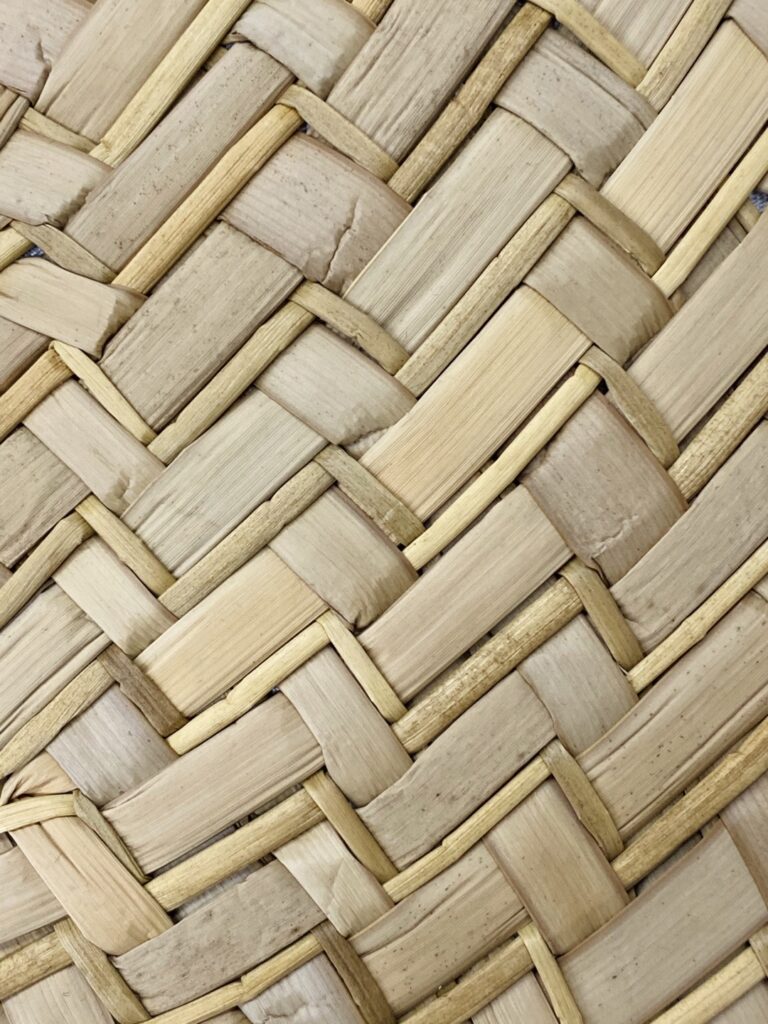
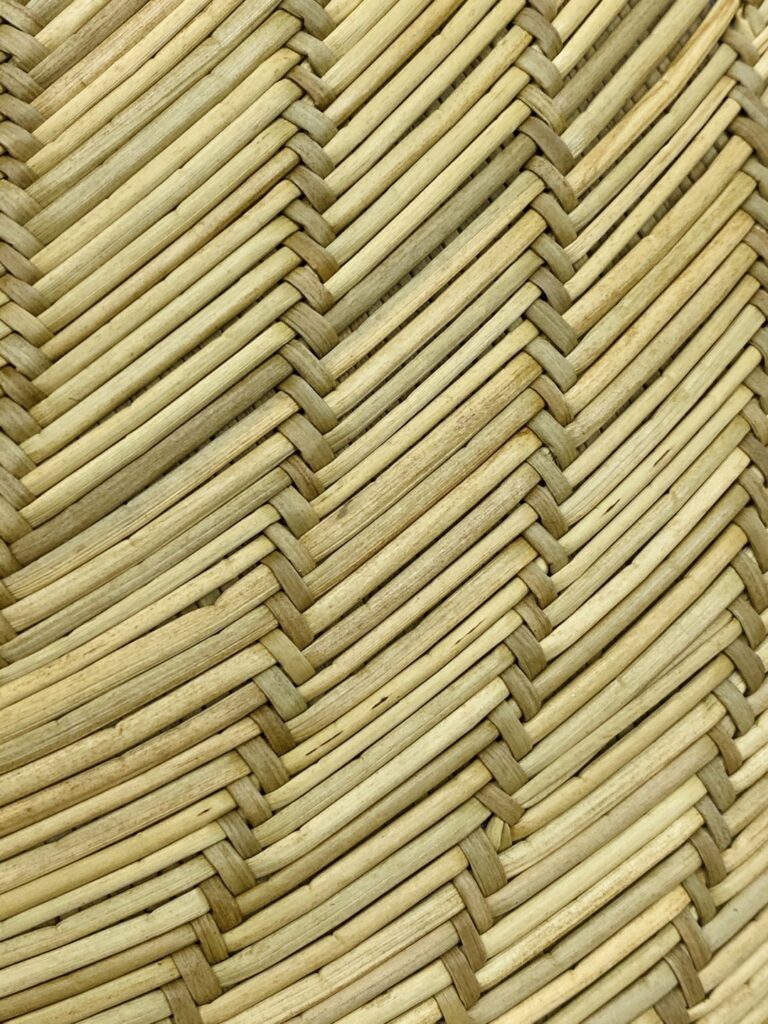
Depending on the confirmed material and construction, individual hats may show differences in tone, strand width, texture, weave character, joins or surface irregularity. Forming, finishing, handling and packing can also influence presentation.
This does not mean any variation should be accepted. It means the buyer and supplier should distinguish among:
- Expected natural variation
- Controlled manufacturing variation
- An agreed deviation
- A material or construction change
- A nonconforming result
The approved sample represents the intended product direction. It should not be described as a guarantee that every bulk unit will be visually identical in every natural detail.
A better approval boundary may include:
- An agreed color or tone range
- Reference photographs taken under controlled lighting
- Multiple samples that demonstrate acceptable variation
- Defined critical dimensions and measurement methods
- Examples of unacceptable damage or workmanship
- Rules for visible joins, edges and decoration placement
- Confirmation that material substitutions require review
For wide-brim straw sun hats, review natural variation together with the complete formed brim. A loose swatch may show material character, but it cannot show how that material appears across a broad finished surface.
Record Revisions Before Giving Final Approval
Sample development may involve several rounds of artwork, material or construction decisions. Without version control, a clear approval can become attached to the wrong file or sample.
A revision record does not need to be complicated. It should make the decision trail traceable.
| Record field | What to capture |
|---|---|
| Project identifier | Buyer project, style or order reference |
| Sample version | An agreed sample identifier |
| Date issued | When the sample or revision was sent for review |
| Files used | Artwork, specification, label and packaging versions |
| Changes from previous version | Logo, brim, label, material or other changes |
| Buyer comments | Consolidated, observable comments rather than conflicting message threads |
| Supplier response | Confirmed action, question, limitation or proposed alternative |
| Status | Approved, revise, approved with documented deviation or not applicable |
| Approval owner | Named person authorized to release the product |
| Approval date | Date the final decision was recorded |
Keep feedback consolidated. If marketing, design, procurement and quality teams all review the sample, appoint one person to combine their comments into a single response.
Comments such as “make it better” or “the color feels wrong” are difficult to execute consistently. More useful comments identify the location, comparison point and requested outcome:
- Reduce the front patch width to the dimension stated in the revised specification.
- Align the label center with the back seam.
- Match the brim-edge binding to the approved color reference.
- Retain the crown shape shown in the identified sample.
- Re-submit the under-brim artwork after the approved file is replaced.
Photographs can support comments, but marked-up images should be linked to the correct sample and document version.
Use Change Control After Sample Approval
Physical sample approval should create a clear production baseline. It should not make the project inflexible, but later changes must be assessed before they are treated as harmless.
Changes that may affect the approved result include:
- Material or weave substitution
- Color change
- Crown or brim measurement change
- Logo size, method, position or artwork revision
- Different patch, backing or attachment method
- Label content or location change
- Chin cord, sweatband, binding or trim change
- Packaging or barcode change
- Size or SKU allocation change
- Production process change that alters the visible or functional result
When a change is proposed, record:
- What is changing
- Why it is changing
- Which sample, specification and files are affected
- Whether price, feasibility or schedule needs to be reviewed
- What new evidence is required
- Who must approve the change
- Which new version becomes the production reference
Not every change requires a complete new hat sample. Depending on the issue, the appropriate evidence might be a revised mockup, material swatch, decoration trial, component sample, photograph or complete physical sample. The buyer and supplier should agree on the approval route before implementing the change.
Silence is not approval, and an informal chat message should not automatically replace a controlled revision record.
A Practical Sample-to-Bulk Approval Process
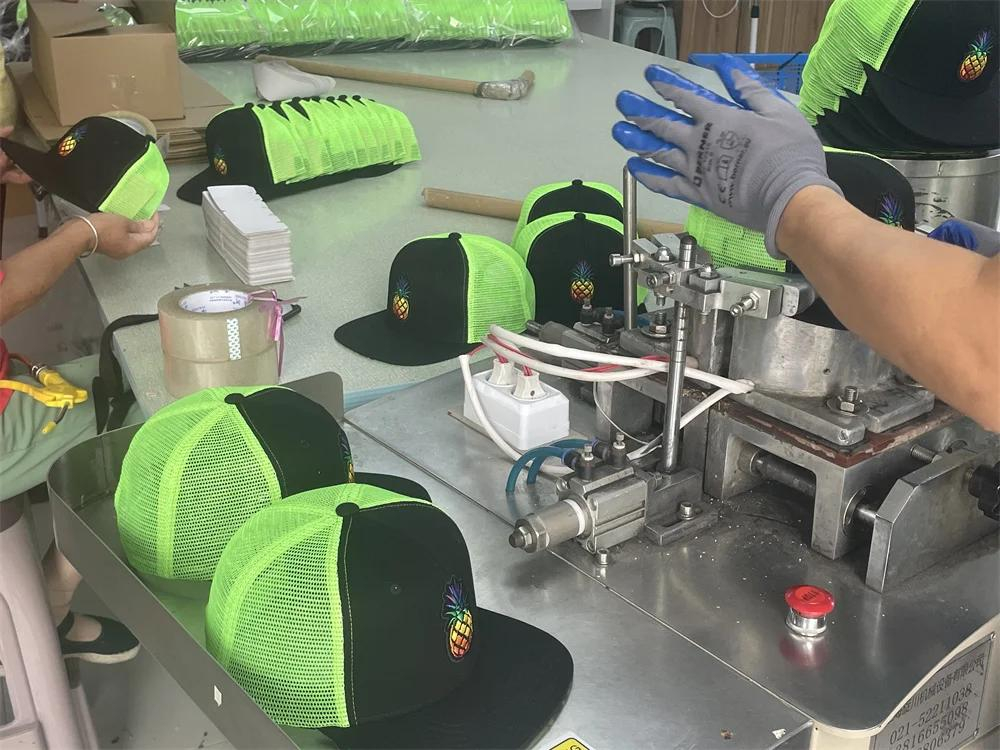
Treat sample approval and production release as related but distinct controls. Approval establishes the product baseline; the agreed purchase-order or release process authorizes bulk production against that baseline.
- Define the scope: Confirm the style, material, sizing, branding, labels, packaging and sample contents.
- Approve digital inputs: Identify the current artwork, placement, color direction and specification versions.
- Produce and inspect the sample: Assign a sample reference, take the agreed measurements and consolidate stakeholder comments.
- Revise and lock the baseline: Close required changes or record accepted deviations, then approve the physical sample and written specification together.
- Authorize bulk separately: Use the agreed purchase-order or release record only after open issues and commercial requirements are confirmed.
- Control later changes: Assess substitutions or revisions against the approved baseline and retain the current sample, files and approval record.
The applicable sample route, revision terms, cost, timing and shipping should be confirmed for the individual project rather than assumed from a universal policy.
Buyer Checklist Before Releasing Bulk Production
Product and material
- Correct hat style and sample version identified
- Material and color direction confirmed
- Acceptable natural variation recorded
- Crown and brim shape reviewed
- Critical measurements checked using the agreed method
- Fit direction approved for the intended wearer group
Branding and components
- Final artwork version identified
- Logo method, size and position approved
- Decoration interaction with the material reviewed
- Under-brim artwork approved where applicable
- Labels, trims, sweatband, chin cord and binding confirmed
- Packaging elements included in the approval scope identified
Documentation
- Physical sample version recorded
- Written specification version recorded
- Artwork, label and packaging file versions recorded
- Revisions and accepted deviations documented
- Approver and approval date recorded
- Open issues closed or formally controlled
- Changes requiring renewed approval defined
Production release
- Buyer and supplier are using the same approved reference
- Any later substitution follows change control
- Sample and document-retention method confirmed
- Applicable quality, packing and shipping requirements confirmed separately
Use the checklist to consolidate product, material, branding, documentation and release decisions before authorizing bulk production.
Frequently Asked Questions
Can a digital mockup replace a physical sample?
A digital mockup can confirm important visual information, including artwork direction and approximate placement. It cannot fully demonstrate material texture, fit, structure, decoration execution or finished workmanship. Confirm the appropriate physical sample path for the specific project.
Does physical sample approval guarantee every bulk unit will be identical?
No. The approved sample establishes the intended result, but natural materials and manufacturing processes may produce controlled variation. Define acceptable boundaries in writing and use the applicable quality and inspection plan to evaluate bulk production.
Is the approved sample enough without a specification?
Usually not for a custom order. A sample does not identify every file version, material code, measurement method, label requirement, packing instruction or accepted deviation. Pair the sample with an approved written specification.
Who should approve the sample?
The buyer should name a person with authority to release the product. Other stakeholders may review it, but their comments should be consolidated before the final decision is sent to the supplier.
What if the sample is approved with one small exception?
Record the exception precisely. State whether it must be corrected before bulk production, accepted as a controlled deviation or reviewed through additional evidence. “Approved except for comments” is risky when the comments are not attached to the production record.
What happens if the material or artwork changes after approval?
The supplier should assess how the change affects the sample, specification, feasibility, commercial terms and production plan. The change may require a revised mockup, component test or physical sample before release.
Should packaging be included in the physical sample?
Include it when packaging presentation or protection is important to the program. If it is not included, keep packaging approval separate and do not describe it as covered by the hat-sample approval.
How many sample revisions are included?
There is no universal answer. Revision scope, additional physical samples, costs, timing and shipping should be confirmed for the individual project in writing.
Can buyers approve a sample from photos or video?
Photos or video may support a review when both parties agree, but they cannot reproduce every aspect of color, texture, fit or hand feel. Clarify what the remote approval covers and retain the identified files and written specification.
Approve the Production Reference, Not Just the Design Idea
A custom hat becomes ready for bulk production when the buyer and supplier share a clear, controlled understanding of what is being made.
The digital mockup helps communicate the design. The physical sample demonstrates how the selected construction works in practice. The written specification identifies the requirements. The revision record proves which versions were approved. Change control protects that baseline after approval.
Together, these references give procurement, product, quality and production teams a more reliable basis for decision-making.
Prepare a sample that your team can approve with confidence.
Send TerraHats your hat style, intended use, artwork status, material direction, estimated quantity and destination for a project review.
Request Sample Guidance
You can also review the TerraHats sample policy or explore available customization options.