
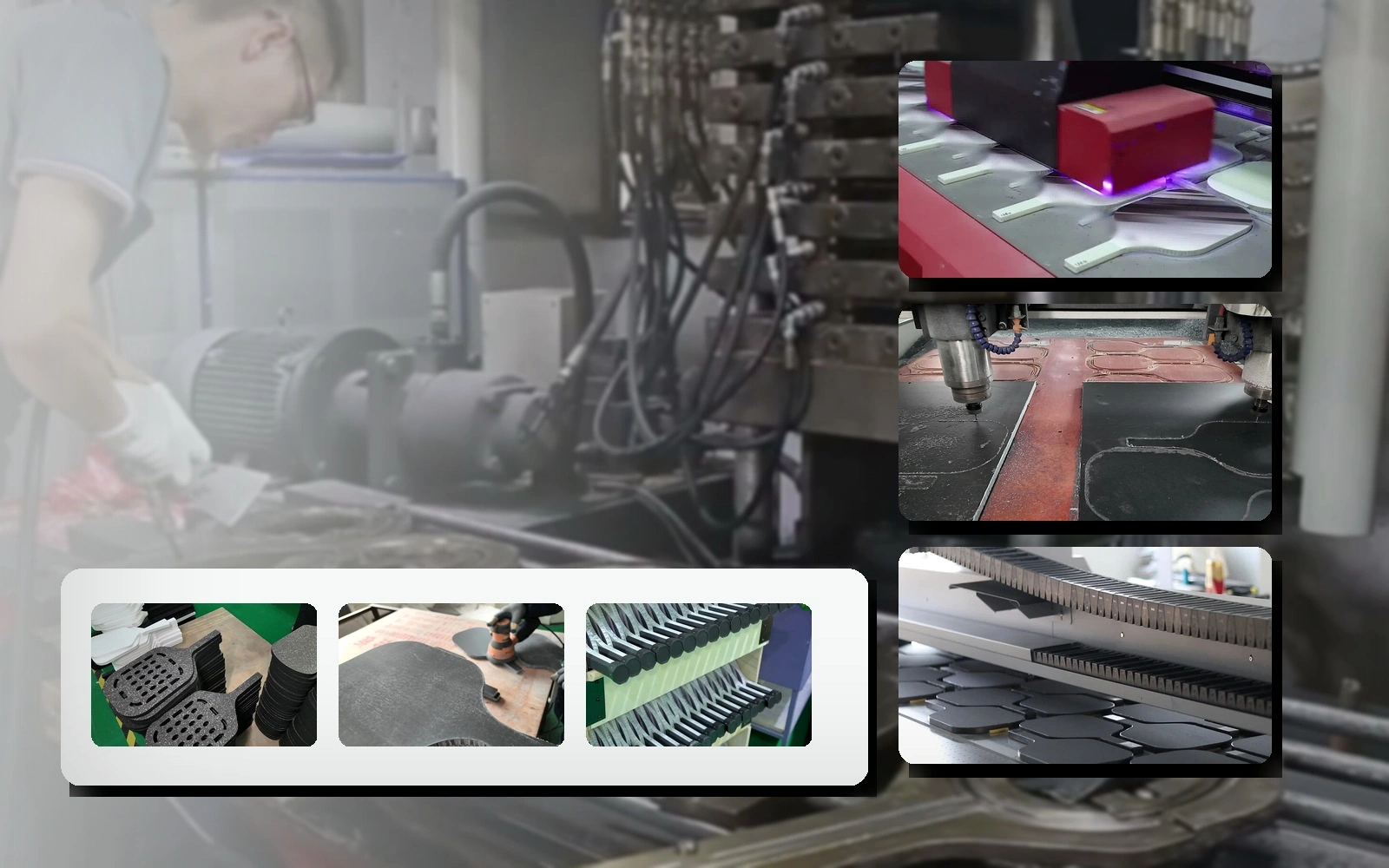
Why USAPA-Ready Development Must Start Before Artwork and Packaging
USAPA-ready paddle development should begin before artwork and packaging so eligible specs, samples and documentation stay aligned.

Some pickleball paddle buyers treat USAPA-ready development as a final marketing step.
They first choose a factory model, add brand artwork, prepare packaging, discuss launch copy, and then ask a difficult question near the end: “Can this paddle be USAPA approved?”
That order creates risk.
USAPA-ready paddle development should start before artwork and packaging because approval-related planning is a product specification issue first. It affects material choice, surface decisions, size control, model identity, sample repeatability, documentation, quality control, and the claims a brand can safely make before formal approval.
At VortexPaddle, the safer B2B development path is to discuss approval requirements before the brand locks artwork, packaging, SKU names, launch pages, Amazon listing language, or retail carton text. The paddle should be developed around eligible specifications first. Artwork and packaging should support that product direction after the development path is clear.
Table of Contents
The Factory View: USAPA-Ready Is Not a Sticker
A paddle cannot become approval-ready only because the packaging says it is.
The official USA Pickleball equipment materials identify the rulebook and Equipment Standards Manual as the official rules for equipment standards. The Equipment Standards Manual also explains that paddles for sanctioned competition need to be tested, approved, and listed as USA Pickleball approved before they are treated as approved equipment. It specifically warns that products should not be marketed as approved before testing is complete and the product appears in the public database.
For a brand, that means approval-related planning belongs upstream.
The development team should ask:
- Is this paddle intended for sanctioned play, recreational use, club programs, retail, Amazon, or another channel?
- Does the brand need a model developed for official approval submission?
- Which dimensions, surface characteristics, materials, edge structure, and model identity must be controlled?
- How will the factory repeat the approved sample direction in bulk production?
- What claims can be used before approval, during submission, and after official listing?
If these questions appear only after artwork and packaging are finished, the project may need redesign, relabeling, new samples, new proofs, or delayed launch assets.
USAPA-ready development is not a final sticker. It is a development path.
The Pre-Artwork Readiness Check
Before a brand finalizes paddle graphics or packaging, the project should pass a practical readiness check.
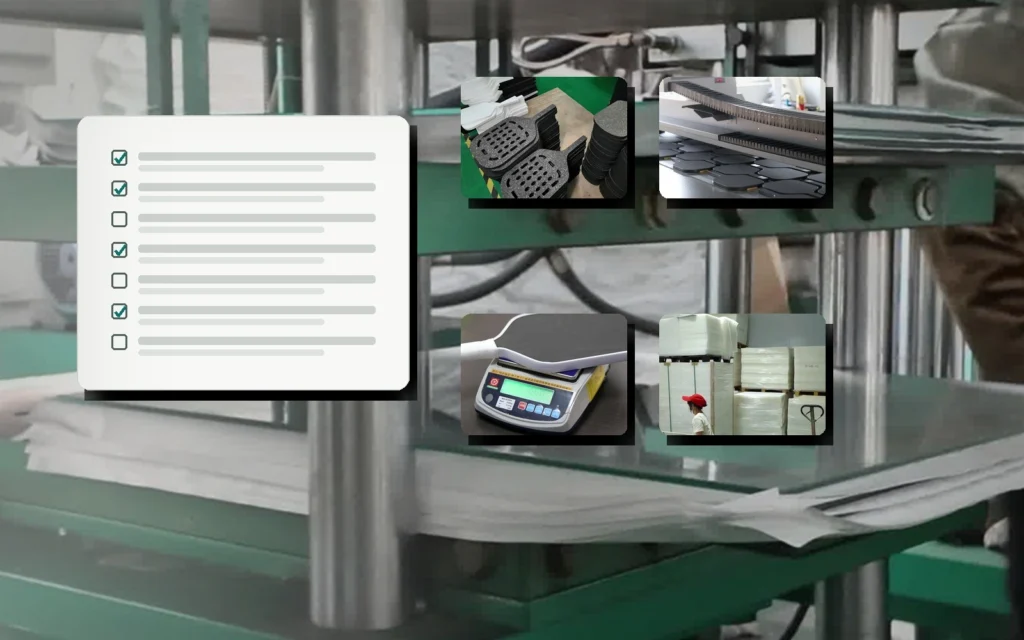
| Readiness Area | Late-Stage Risk | Stronger Input Before Artwork |
|---|---|---|
| Product role | The paddle is designed for looks before its use case is clear. | Define whether it is a tournament-oriented SKU, recreational SKU, club program, retail SKU, or custom brand line. |
| Specification direction | The sample may not match eligible requirements or repeatable production limits. | Confirm surface, core, thickness direction, shape, handle, edge style, size range, and weight range. |
| Surface planning | Texture, coating, print, or finish choices may create compliance or consistency questions. | Review surface material, print method, texture expectations, gloss, and inspection checkpoints early. |
| Model identity | Brand and model names may change after artwork is already built. | Assign model name or model number after the specification direction is stable. |
| Sample control | The approved-looking sample may not be the right sample for submission. | Build samples around the intended compliance path and record the target specification. |
| QC method | Bulk production may drift from the tested sample direction. | Define dimension, surface, weight, edge, artwork, and packaging inspection checkpoints before bulk order. |
| Artwork | Graphics may need revision if model names, marks, or surface areas change. | Create artwork after the specification, model identity, and claim boundaries are known. |
| Packaging claims | Boxes may include language the brand cannot yet use. | Keep approval-related claims conservative until formal testing, approval, and listing are complete. |
This does not mean a buyer must finish certification before speaking with the factory. It means the factory conversation should make approval requirements visible before the buyer invests in final design assets.
Why Artwork Should Not Lead the Compliance Conversation
Artwork feels like the most visible part of a custom pickleball paddle project. It shapes the brand impression, product page, packaging style, and sample photos.
But artwork is not the product specification.
If a buyer starts with the paddle face design and treats the build underneath as flexible, the project can drift into avoidable revision. A beautiful graphic may be applied to a shape, surface, thickness, or model direction that later needs to change. A model name may appear in the design before the final construction is confirmed. A claim may be printed before the approval path is complete.
For a custom pickleball paddle project, the better sequence is:
- Define the target buyer and channel.
- Confirm whether USAPA-ready development support is needed.
- Select eligible specification direction with the factory.
- Build and review the sample plan.
- Confirm model identity and claim boundaries.
- Then finalize artwork and packaging.
This sequence protects both sides. The brand avoids redesign. The factory avoids preparing samples against unclear requirements. The sales team avoids making claims that later need to be corrected.
Specification Comes Before the Final Graphic
The official USA Pickleball Equipment Standards Manual includes paddle-related requirements covering material, surface characteristics, size, alterations, prohibited features, model designation, approval authorization, and ongoing compliance expectations.
For B2B buyers, the practical lesson is simple: the full paddle matters.
USAPA-ready planning should review more than the logo. It should consider:
- Surface material and finish.
- Surface roughness, friction, and gloss-related expectations.
- Paddle length, width, and combined size direction.
- Core and construction method.
- Thickness direction, even though thickness alone is not the approval gate.
- Weight range and balance target for production consistency.
- Edge guard or edgeless structure.
- Handle and grip construction.
- Model name, model number, and version control.
- Sample documentation and QC checkpoints.
None of these decisions should be hidden behind finished artwork. If the specification changes after design files are approved, the artwork may need to change with it.
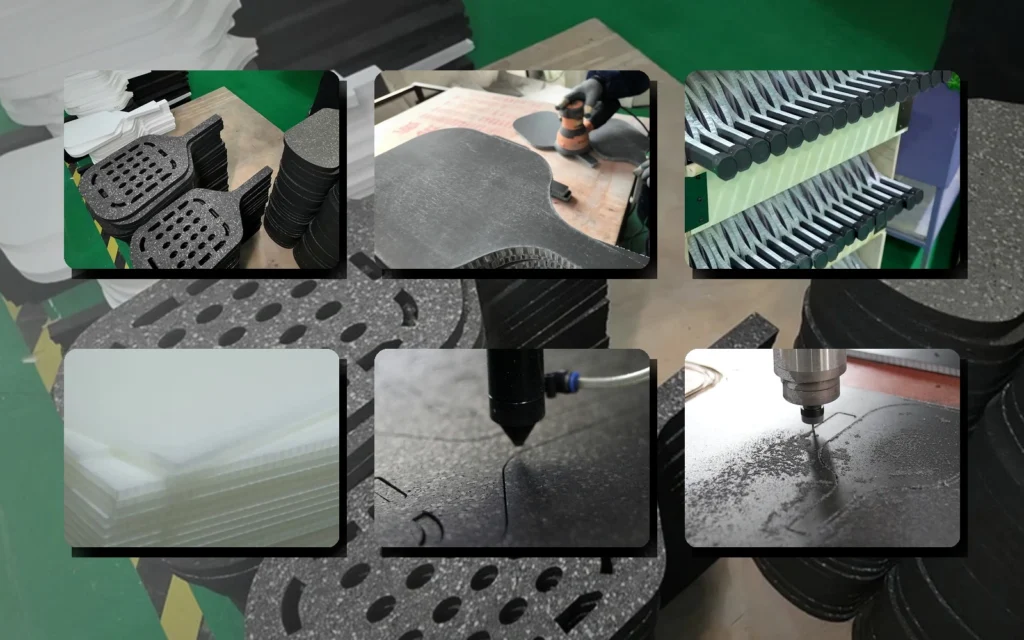
Packaging Can Create the Biggest Compliance Mistake
Packaging is where a late approval conversation becomes most expensive.
A paddle box, insert card, barcode label, retail sleeve, Amazon listing image, or carton mark may carry language about tournament use, approval status, model name, product specifications, or performance claims. If those assets are printed before the paddle is formally approved and publicly listed, the brand may need to revise or discard packaging.
The safer rule is:
Do not let packaging claim more than the project can support at that stage.
Before formal approval and listing, packaging should avoid language that implies a model is already approved. Safer pre-approval language can stay in development territory, such as:
USAPA Compliance Support: VortexPaddle supports paddle development for official USAPA approval requirements and assists your brand through the official certification process (eligible specs required).
That sentence keeps the claim tied to development support and eligible specifications. It does not promise that every custom model is already approved.
After formal approval, the brand can update product pages, packaging, and sales materials according to the official approval status, model identity, and any applicable usage rules for the approval seal or wording.
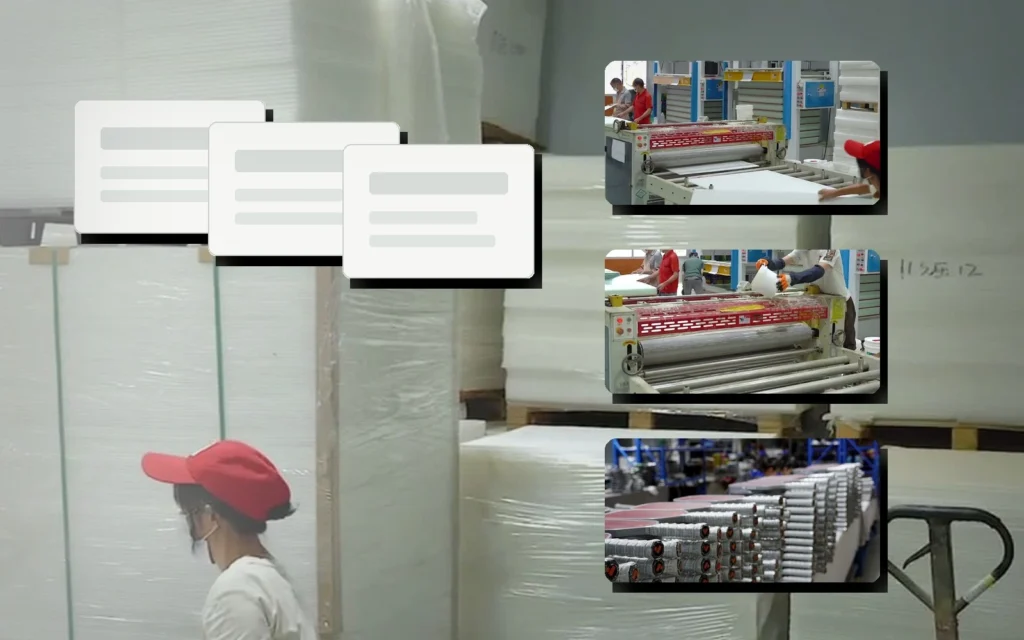
Why Sample Repeatability Matters
A single sample can look correct and still fail as a development standard.
For USAPA-ready development, the sample should not be treated as a one-off photo prop. It should become a reference point for repeatable production. That means the factory and buyer should agree on what needs to remain consistent from sample to bulk order.
QC planning should include:
- Overall size and shape consistency.
- Weight range and balance feel.
- Surface finish and texture consistency.
- Edge guard or edgeless finishing.
- Handle length and grip wrapping.
- Artwork placement and print clarity.
- Model name or model number marking.
- Packaging label accuracy.
- Batch inspection method before shipment.
The official equipment standards also describe ongoing compliance concepts: products as produced and sold should remain aligned with the tested and certified paddle. That is why a buyer should not only ask whether a sample can be prepared. The buyer should ask whether the factory can repeat the same development direction in production.
For a B2B paddle brand, repeatability is not a back-office detail. It protects reviews, reorders, distributor trust, and approval-related credibility.
What Changes If the Buyer Waits Too Long?
Late compliance planning usually creates one of four problems.
| Late Decision | What Can Go Wrong | Better Timing |
|---|---|---|
| “We need USAPA approval now.” | The selected construction may need review, retesting, or redesign. | Discuss approval needs before sample direction is fixed. |
| “The artwork is already final.” | Model name, surface area, marks, or claim language may need revision. | Lock artwork after specification and model identity are stable. |
| “The packaging is already printed.” | Approval-related language may be too strong or premature. | Review claim boundaries before packaging proof approval. |
| “The launch date is fixed.” | Testing, approval review, listing, and revisions may not fit the schedule. | Build submission and sample review into the launch plan. |
These issues are not just technical. They affect money, launch timing, buyer confidence, and the number of sample rounds needed before production.
OEM and ODM Buyers Need Different Planning
USAPA-ready development also changes depending on whether the buyer is running an OEM or ODM project.
In an OEM pickleball paddle project, the buyer may already have a target specification, brand artwork, model direction, and packaging concept. The factory’s role is to review whether the chosen direction can support eligible requirements, sample preparation, production consistency, and cautious claim language.
In an ODM pickleball paddle project, the buyer may start from existing factory models or recommended structures. The factory should help narrow the model direction before the buyer invests in finished artwork and packaging.
| Buyer Situation | Better Route |
|---|---|
| Has artwork but no confirmed specification | Pause final artwork and confirm the build first. |
| Has a target tournament-oriented SKU | Start with USAPA-ready specification review before packaging. |
| Wants a fast private-label model | Choose an ODM direction with clear claim boundaries. |
| Needs a unique paddle line | Build an OEM brief with sample, QC, documentation, and packaging checkpoints. |
| Needs only recreational or promotional paddles | Keep approval-related language out unless formal approval is part of the plan. |
The development route matters because it changes the questions the factory should ask before sampling.
Build the Claim Ladder Before Launch Assets
Brands should separate three stages of language.
| Stage | Safer Claim Direction | Avoid |
|---|---|---|
| Development stage | USAPA-ready development support; manufactured to meet approval requirements when using eligible specifications. | Saying the model is already approved before formal approval. |
| Submission stage | Sample prepared for official approval review; approval pending where applicable. | Treating submission as approval. |
| Approved and listed stage | Model-specific approval language aligned with the official public listing and permitted usage. | Applying approved language to different models, materials, versions, or unlisted variants. |
This claim ladder helps sales, packaging, SEO, Amazon listing, and distributor materials stay aligned. It also prevents the brand from building a launch around wording that later needs to be pulled back.
The VortexPaddle Point of View
USAPA-ready development must start before artwork and packaging because the compliance path is built into the paddle, not added after the box is designed.
The strongest projects begin with a clear product role, eligible specification direction, sample plan, QC method, model identity, and claim boundary. Then artwork can reinforce the product. Packaging can support the launch. Sales materials can describe the project honestly.
The weaker path is the reverse: finalize graphics, print packaging, prepare launch copy, and then ask whether the paddle can be approved. That path creates unnecessary redesign, delays, and claim risk.
For brand owners, Amazon sellers, distributors, retailers, clubs, and school programs, the better question is not:
“Can we put USAPA on the packaging?”
It is:
“Are we developing this paddle from the start around the requirements, sample controls, documentation, and production consistency needed for the approval path?”
That question leads to better samples, cleaner packaging, safer claims, and a more reliable product launch.
Request a USAPA-Ready Sample
If your brand needs USAPA-ready pickleball paddle development, start the conversation before final artwork and packaging.
Share your target buyer, sales channel, preferred paddle type, material direction, shape, thickness direction, surface expectations, artwork status, packaging plan, and launch timing. VortexPaddle can help review the development path, prepare eligible sample directions, and support your brand through the official certification process.
FAQ
When should USAPA-ready paddle development start?
USAPA-ready development should start before artwork, packaging, launch claims, and sample production are locked. The factory should review the intended specification, sample plan, QC checkpoints, and claim boundaries early.
Can a custom pickleball paddle be called USAPA approved before testing?
No. A custom paddle should not be marketed as approved before the relevant testing, approval, and public listing steps are complete. Before that point, language should stay in development-support or approval-preparation territory.
Does paddle thickness determine USA Pickleball approval?
Thickness alone does not determine approval. The official USA Pickleball Equipment Standards Manual states that there is no restriction on paddle thickness, while other requirements such as surface, dimensions, testing, model identity, approval, and listing still matter.
Why should artwork wait until the specification is clear?
Artwork may include model names, logo placement, surface coverage, marks, colors, and claim language. If the specification or model identity changes later, the artwork may need to be revised.
Why should packaging be planned before approval claims are used?
Packaging can carry approval-related wording, model names, product specifications, barcodes, carton marks, and launch claims. If these are printed before the approval path is clear, the brand may need to reprint or correct packaging.
What should buyers prepare for a USAPA-ready sample request?
Prepare the target buyer, sales channel, product role, preferred surface, core direction, thickness direction, shape, handle, edge style, model naming plan, artwork status, packaging direction, QC expectations, and launch timeline.
