Why Thermoformed Paddles Are Not Automatically Better for Every Buyer
A factory view on when thermoformed paddles fit a buyer, and when cold pressed, fiberglass, control, or value SKUs may work better.

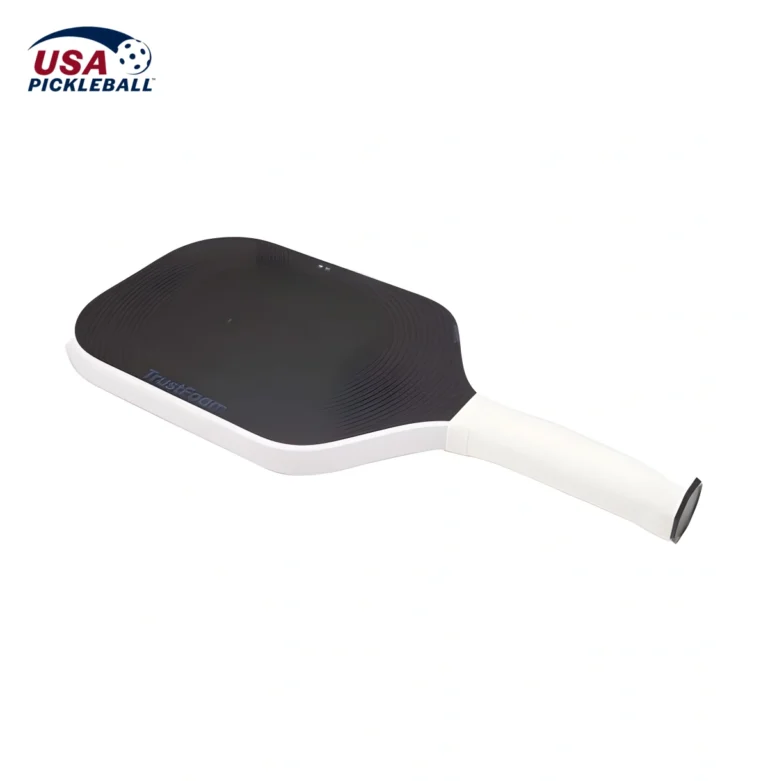
Thermoformed pickleball paddles have a strong reputation in the current paddle market.
For many brands, they sound like the obvious upgrade: carbon fiber surface, modern construction, responsive feel, clean edge options, and a more technical product story. Those advantages can matter. A well-positioned thermoformed pickleball paddle can be a strong hero SKU for a premium line, a performance-focused Amazon listing, or a technical retail program.
But “thermoformed” is a manufacturing process, not a guarantee that the product is right for every buyer.
For B2B buyers, the better question is not “Are thermoformed paddles better?” It is “Is thermoformed construction the right choice for this buyer group, sales channel, price tier, product story, and reorder plan?”
At VortexPaddle, that distinction matters because brands are not only buying one impressive sample. They are building products that need to be explained, inspected, reordered, packaged, and sold consistently.
Table of Contents
The Factory View: Process Is Only One Part of Product Fit
A paddle process affects the structure, playing feel, edge design, sample review, inspection focus, packaging protection, and product explanation. That makes process important.
It does not make process the only decision.
Surface material, core type, thickness, shape, handle length, weight range, edge structure, grip choice, artwork method, packaging, compliance needs, and buyer channel still matter. A thermoformed carbon fiber paddle can be the right direction for one brand and the wrong first SKU for another.
For example, the local VortexPaddle product archive supports thermoformed carbon fiber directions with T700 surface references, PP honeycomb core references, 13mm / 16mm options, edgeless construction, and weight ranges such as 7.76-8.3 oz for certain exact-match product references. It also supports cold pressed fiberglass directions with PP honeycomb core, 10mm / 13mm / 16mm options, edged construction, custom logo options, and beginner or value-line positioning.
Both can be useful. They simply serve different product jobs.
The factory conversation should start with the product role before locking the process.
Thermoformed vs Buyer Fit: The Practical Difference
| Decision Area | When Thermoformed May Fit Well | When Another Direction May Fit Better |
|---|---|---|
| Buyer level | Performance-aware buyers who understand technical paddle claims | Beginners, clubs, schools, broad starter programs, or buyers who need easy adoption |
| Product role | Premium hero SKU, carbon fiber line, power or control story | Value SKU, training program, promotional line, bundle set, or broad wholesale paddle |
| Channel | Amazon listing with technical differentiation, specialty retail, brand-owned site | School procurement, club replacement programs, distributor catalog basics, entry retail |
| Cost position | Higher product tier where the story supports the build | Price-sensitive programs where simpler construction may improve adoption |
| Sample goal | Confirm advanced feel, surface, structure, edge, and product story | Confirm basic comfort, durability, artwork, packaging, and reorder simplicity |
| QC focus | Weight range, edge finish, surface consistency, structural consistency | Basic appearance, grip, edge guard, packaging, and broad batch repeatability |
| Brand message | “Technical performance product” | “Reliable club paddle,” “starter set,” “custom logo paddle,” or “value wholesale line” |
Thermoformed construction is strongest when the buyer can actually use the added complexity. If the market does not understand or value the difference, the process may raise project complexity without improving sell-through.
Why “Better Feel” Does Not Mean Better SKU
Many buyers ask for thermoformed paddles because they associate them with a more powerful, responsive, or premium playing feel. That can be a valid reason to explore the process.
But a B2B SKU has more jobs than feel.
The SKU must fit the target buyer, product page, packaging, sales channel, inspection method, first-order quantity, and reorder plan. A paddle that feels impressive in a small sample test may still become difficult if the line has no clear buyer, the price tier is too high for the channel, or the technical story is hard for sales teams to explain.
A club buyer may not need the most advanced construction if the program requires comfortable paddles for many player levels. A school buyer may prefer a stable, easy-to-reorder paddle with simple packaging. A distributor may need an option that is easy to present across many accounts. A promotional buyer may care more about logo appearance, packaging, and budget control.
In those cases, cold pressed fiberglass, edged carbon fiber, or another custom paddle direction may be more commercially useful than a thermoformed hero product.
The right paddle is the one that helps the buyer complete the purchase with confidence.
Thermoformed Paddles Can Be Strong Hero SKUs
None of this means thermoformed paddles are weak. In the right product line, they can be very useful.
A thermoformed carbon fiber pickleball paddle may fit brands that want:
- A premium or technical product position.
- A carbon fiber pickleball paddle story.
- A control, power, or power-and-spin direction.
- A modern structure with edgeless or refined edge options.
- A hero SKU for Amazon, specialty retail, or brand-owned ecommerce.
- OEM / ODM customization with surface, grip, edge, artwork, and packaging options.
For VortexPaddle product planning, thermoformed construction is a strong option when the buyer already knows why the process supports the product promise. It can work well when paired with a clear surface material, thickness choice, weight range, shape, handle length, and inspection standard.
The problem starts when thermoformed becomes a default answer instead of a product decision.
Cold Pressed and Fiberglass Options Still Have a Role
Some buyers skip over cold pressed paddles or fiberglass pickleball paddles too quickly because those terms sound less premium than thermoformed carbon fiber.
That is often a mistake.
A fiberglass pickleball paddle can still be a strong fit for starter sets, training programs, school or club purchasing, promotional paddles, and value-oriented wholesale pickleball paddles. Cold pressed construction can support simpler product positioning, easier buyer explanation, and a practical first SKU when the brand is still testing market demand.
For many buyers, the first successful product does not need to be the most advanced paddle in the catalog. It needs to be the paddle that matches the customer, sells clearly, and can be reordered without confusion.
That may be a thermoformed carbon fiber model. It may also be a cold pressed fiberglass line, a standard carbon fiber paddle, or a custom logo paddle based on an existing ODM structure.
The process should follow the business goal.
Thickness, Core, and Shape Still Matter
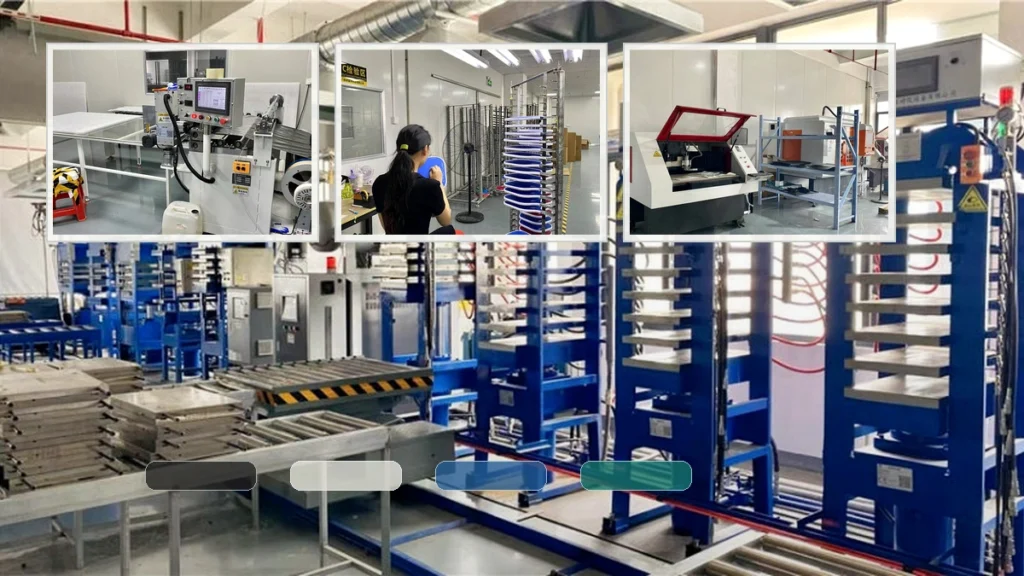
Even within thermoformed paddles, one process does not create one fixed product.
A 16mm control-oriented paddle has a different role from a thinner, faster-feeling paddle. A long-handle or elongated structure can change who the paddle fits. A foam-core direction can support a different product story from a standard PP honeycomb core. Edgeless construction can create a cleaner look, while an edge guard may still be preferred for certain buyer groups or durability expectations.
The local product archive includes thermoformed references across 11mm, 14mm, and 16mm directions, plus exact-match 16mm control and Gen 4 foam core entries. It also includes several close-match or factory-confirmation entries where final core structure, quiet-performance claims, or special material claims need factory-owned data before strong marketing language is used.
That is important for content and sampling.
If a buyer wants a control pickleball paddle, the brief should define the control promise, thickness, core, handle, weight range, and buyer profile. If the buyer wants a power pickleball paddle, the brief should explain whether the product is for advanced players, tennis-style buyers, Amazon performance shoppers, or a premium retail line.
Thermoformed construction can support both directions, but the process alone does not decide the final SKU.
Buyer Channel Should Decide the Construction Strategy
Different sales channels reward different product decisions.
| Buyer / Channel | What Usually Matters | Process Implication |
|---|---|---|
| Amazon seller | Differentiation, product story, packaging, review consistency, visual quality | Thermoformed may help if the listing can explain the value clearly |
| Distributor | Easy explanation, stable reorder, broad account fit | A simpler carbon fiber or fiberglass SKU may sometimes be easier to place |
| Club or school buyer | Comfort, durability, replacement planning, budget fit, bundles | Cold pressed, fiberglass, or value carbon options may be more practical |
| Premium brand owner | Performance story, material language, sample feel, retail credibility | Thermoformed carbon fiber may be a strong hero SKU |
| Promotional buyer | Logo display, packaging, cost control, simple ordering | Custom logo ODM options may matter more than advanced construction |
| Retail category buyer | Clear tiering, packaging, shelf story, reliable supply | Thermoformed should fit a specific tier, not replace every SKU |
A brand can use thermoformed construction as the premium anchor while still keeping other paddles in the line. That is often healthier than trying to make every SKU carry the same advanced-process story.
QC and Reorder Consistency Are Part of the Decision
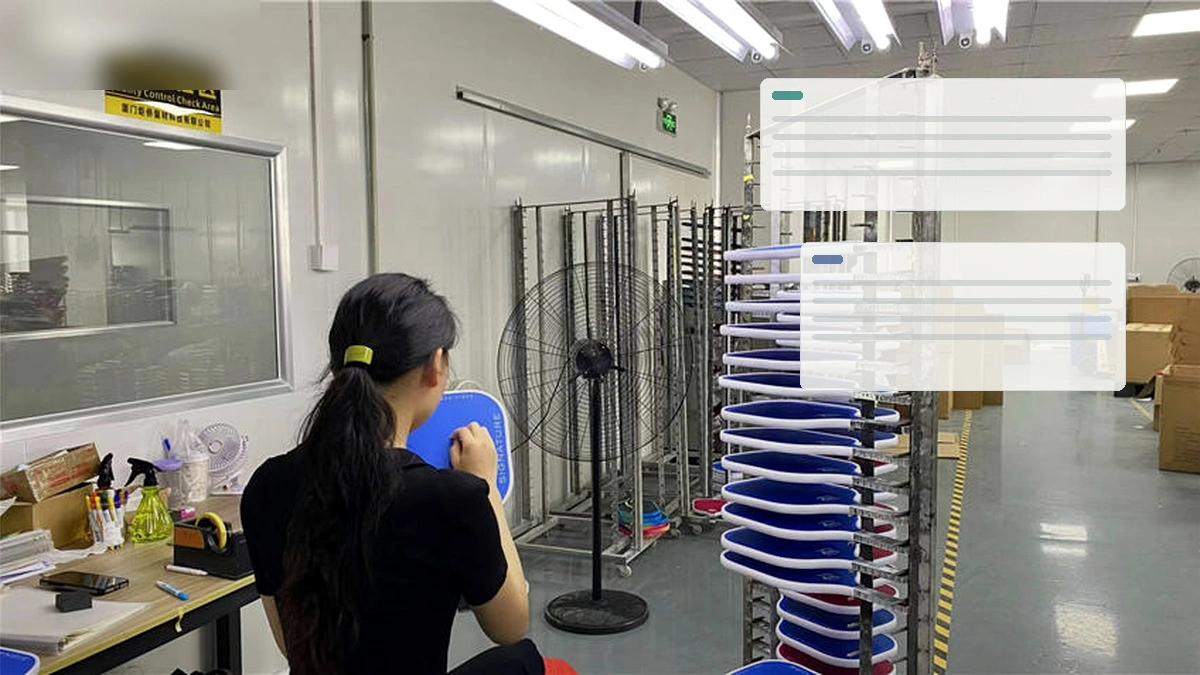
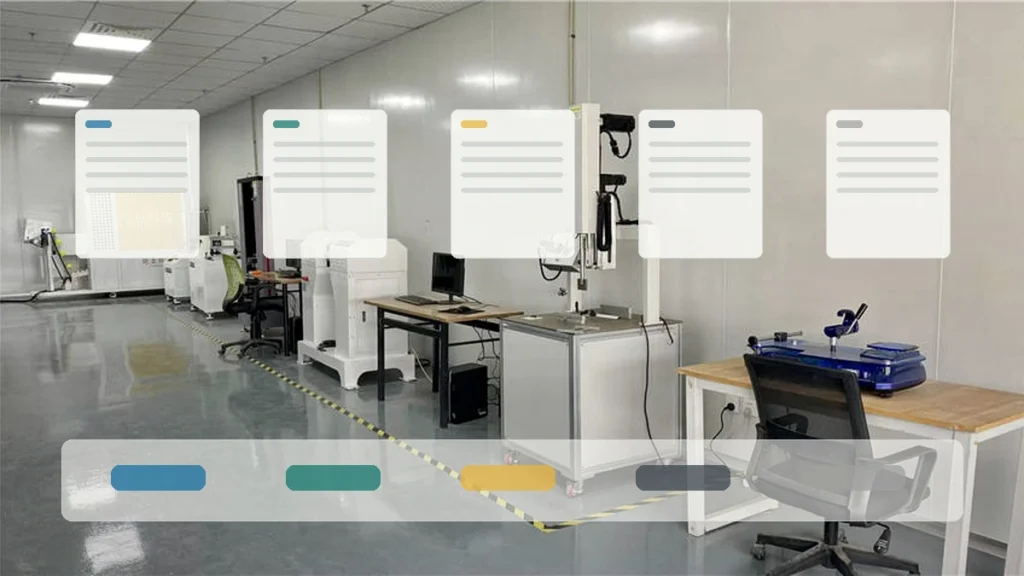
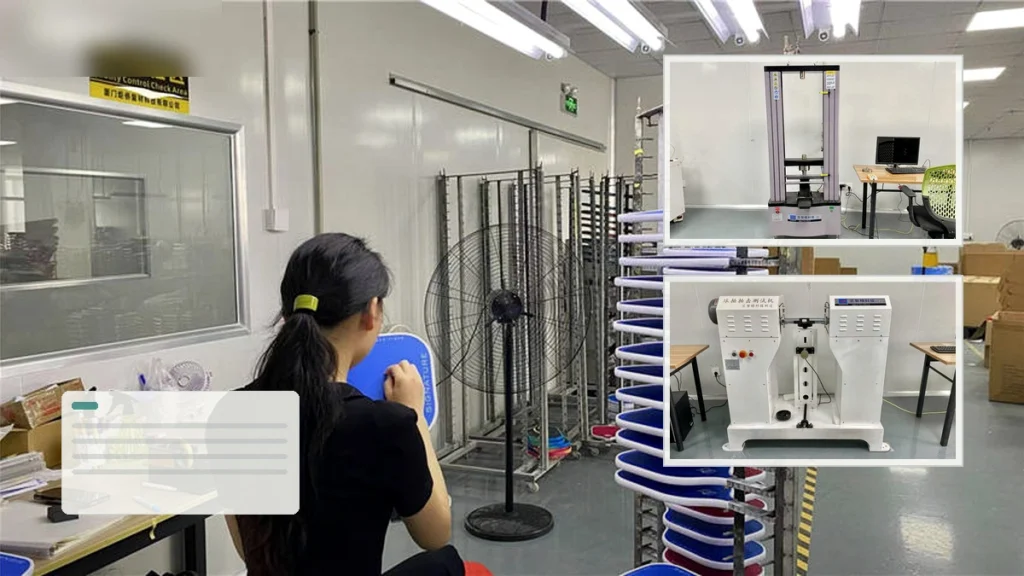
A paddle process should be judged not only by the first sample, but also by how the product can be controlled in future orders.
For thermoformed paddles, buyers should pay attention to:
- Approved weight range, not only one sample weight.
- Edge finish and edge consistency.
- Surface texture and visual finish.
- Handle length, grip wrapping, and balance feel.
- Packaging protection for the selected structure.
- Batch inspection standards before shipment.
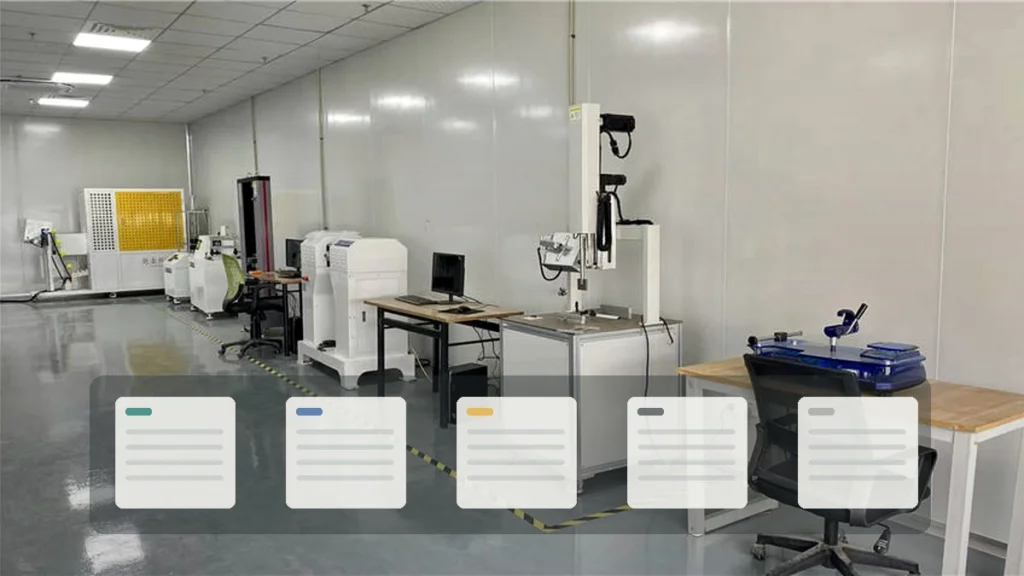
For cold pressed, fiberglass, or value-oriented paddles, QC still matters. The focus may simply be different: edge guard fit, print quality, grip comfort, basic weight range, packaging condition, and consistency across a broader quantity.
In both cases, the buyer should avoid approving a sample without defining what must remain consistent in bulk production. A good process choice becomes weaker if the inspection standard is vague.
When Thermoformed Is the Right Recommendation
Thermoformed construction is likely worth exploring when the buyer can answer “yes” to most of these questions:
- Is this paddle meant to be a premium or technical SKU?
- Will the target customer understand or value the construction story?
- Does the channel support the expected price and product positioning?
- Is the brand prepared to review sample feel, surface, edge finish, and weight range carefully?
- Does the product page need a carbon fiber, control, power, or modern performance narrative?
- Can packaging and QC be planned around the selected structure?
- Is the SKU expected to serve as a hero product rather than a low-friction value item?
If the answer is yes, a thermoformed paddle may be the right development path.
If the answer is no, the buyer should not treat thermoformed as a shortcut to a better product. The factory should compare alternative structures before sampling.
When Another Paddle Direction May Be Smarter
Another construction direction may be smarter when:
- The product is for schools, clubs, starter sets, promotional programs, or broad wholesale use.
- The buyer needs a lower-friction first SKU before investing in a premium line.
- The sales team needs a simple product story.
- The first order is mainly testing logo, packaging, channel response, or buyer fit.
- The buyer wants a custom pickleball paddle but has not defined the product position yet.
- The target customer will not pay attention to technical construction details.
- The project needs fewer variables during the first sampling round.
In these cases, a cold pressed paddle, fiberglass paddle, standard carbon fiber paddle, or existing ODM model may help the buyer move faster and learn more from the first launch.
That does not close the door on thermoformed products. It simply places them at the right stage of the product line.
A Better Brief for Thermoformed Paddle Sampling
Before asking a pickleball paddle manufacturer for thermoformed samples, buyers should prepare a brief that connects process choice to buyer need.
The brief should answer:
- Who is the target buyer?
- Is the paddle a hero SKU, supporting SKU, value SKU, club program, or premium retail product?
- Which channel will sell it?
- What is the preferred surface material and why?
- Should the paddle be positioned around control, power, comfort, spin, durability, custom branding, or price accessibility?
- Which thickness, shape, handle length, edge style, and weight range should the sample test?
- Does the project need USAPA-ready development support using eligible specifications?
- What packaging direction is expected?
- What QC checkpoints should be used before bulk production?
This kind of brief helps the factory compare thermoformed and non-thermoformed options honestly. It also prevents the sample stage from becoming a trend-following exercise.
USAPA-Ready Development Should Stay Conservative
Some buyers need paddles developed with USAPA approval requirements in mind. That requirement should be discussed before the buyer finalizes the process, artwork, packaging, and product claims.
VortexPaddle can support paddle development for official USAPA approval requirements and assist with sample preparation for eligible specifications. Final approval depends on formal submission and review by the relevant governing body.
For thermoformed paddles, this means buyers should not assume the process itself creates approval. The specification, sample consistency, documentation, and official review path still matter.
The VortexPaddle Point of View
Thermoformed paddles are important. They can be excellent products when they match the buyer, channel, product role, and inspection plan.
But they are not automatically better for every buyer.
For one brand, the right answer may be a thermoformed carbon fiber pickleball paddle built as a premium hero SKU. For another, it may be a cold pressed fiberglass paddle for club programs. For another, it may be a standard carbon fiber paddle with custom logo and packaging. For another, it may be a two-step line: start with a simple ODM paddle, then add a thermoformed model after market feedback.
The right question is not “Which process is best?”
The right question is “Which process helps this SKU succeed with this buyer?”
That question leads to better samples, clearer product pages, more practical QC standards, and stronger reorder decisions.
Request Matched Paddle Samples
If you are deciding between thermoformed, cold pressed, carbon fiber, fiberglass, control, power, or custom logo paddle directions, VortexPaddle can help compare options before sampling.
Share your buyer type, channel, product role, target feel, material preference, packaging direction, and QC expectations. Then request samples that match your product strategy instead of choosing thermoformed construction by default.
FAQ
Are thermoformed pickleball paddles always better?
No. Thermoformed paddles can be strong premium or technical products, but they are not automatically better for every buyer. The right choice depends on target customer, channel, price tier, product role, QC needs, and reorder plan.
When should a brand choose a thermoformed paddle?
A brand should consider thermoformed construction when the paddle is meant to be a premium hero SKU, technical carbon fiber product, power or control line, or retail / Amazon product where the construction story helps the buyer understand the value.
When might cold pressed or fiberglass paddles be a better choice?
Cold pressed or fiberglass paddles may fit starter sets, school programs, club purchasing, promotional orders, value wholesale lines, or first launches where simple positioning and broad buyer fit matter more than advanced construction.
Is a thermoformed carbon fiber pickleball paddle good for wholesale?
It can be, if the wholesale buyer needs a premium or technical product and can support the price, story, packaging, and QC expectations. For broader wholesale programs, simpler paddle structures may sometimes be easier to sell and reorder.
Does thermoformed construction guarantee USAPA approval?
No. Thermoformed construction does not automatically guarantee approval. USAPA-related development depends on eligible specifications, sample control, documentation, formal submission, and review by the relevant governing body.
What should I include in a thermoformed paddle sample request?
Include the target buyer, sales channel, product role, preferred surface, thickness, shape, handle length, edge style, weight range, packaging direction, compliance needs, and QC checkpoints.