Why the “Best” Pickleball Paddle Spec Is Not Always the Best SKU for Your Brand
A factory view on why brands should choose paddle specs by buyer, channel, cost, sampling risk, QC control, and reorder consistency.

Many buyers begin a new paddle project by asking for the “best” pickleball paddle spec.
That usually means a premium surface, a popular thickness, a modern shape, a trendy process, and a performance story that sounds strong on a product page. Those details matter. A custom pickleball paddle still has to feel good, look credible, and fit the promise your brand wants to make.
But from a factory and SKU-planning point of view, the best technical specification is not always the best commercial product.
A paddle can look impressive on a sample table and still become a weak SKU if it is difficult to repeat, hard to price, wrong for the sales channel, too narrow for the target buyer, or complicated to reorder at scale. For B2B buyers, the better question is not only “What is the best pickleball paddle spec?” It is also “Which spec can become a stable, sellable, repeatable SKU for our brand?”
At VortexPaddle, this is the difference between building one attractive sample and building a paddle line that can support real orders.
Table of Contents
The Factory View: A Spec Is Not a SKU Yet
A paddle spec describes the product build. It may include surface material, core thickness, shape, handle length, edge structure, weight range, grip choice, printing method, packaging, and compliance-related requirements.
A SKU has a different job. It has to fit a buyer group, a channel, a price position, a reorder plan, and a quality-control standard. It must be simple enough for sales teams, distributors, Amazon listing teams, club buyers, or retail partners to understand and repeat.
That is where many paddle projects become too complicated too early.
A brand may request carbon fiber, thermoformed construction, an elongated shape, a long handle, a heavy swing feel, custom artwork, premium packaging, and several colorways in the first round. Each choice may be reasonable by itself. Together, they can create a product that is harder to sample, harder to explain, harder to inspect, and harder to reorder consistently.
The stronger path is usually to turn the spec into a focused SKU strategy: one clear hero SKU, one supporting SKU, and only then a wider product line.
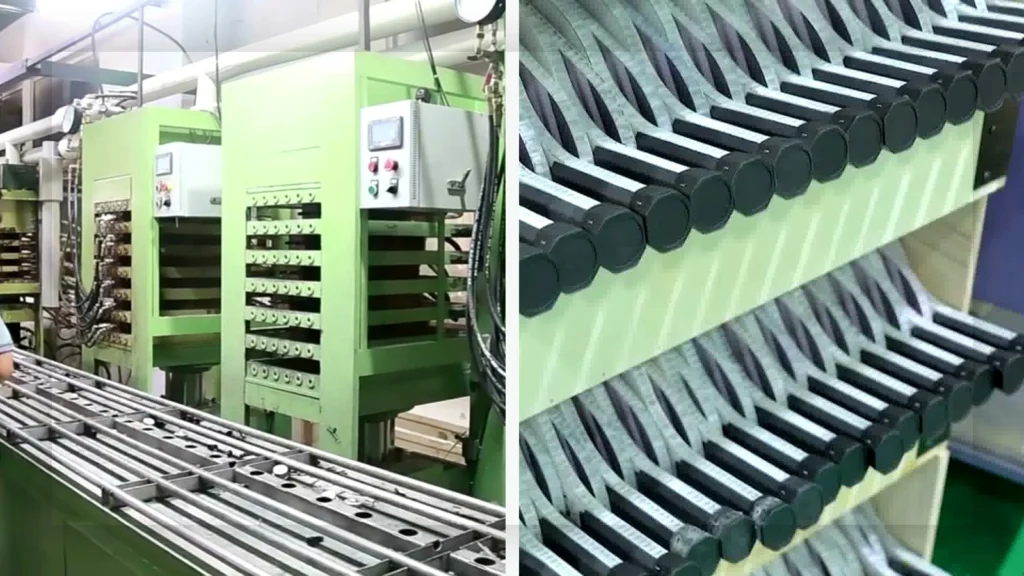
Best Spec vs Best SKU: The Practical Difference
| Decision Area | “Best Spec” Thinking | “Best SKU” Thinking |
|---|---|---|
| Surface material | Choose the most premium-sounding material | Choose the material that fits the target buyer, claim, cost position, and reorder plan |
| Thickness | Follow the popular number in the market | Match thickness to control, power, comfort, channel, and product tier |
| Shape | Add the most performance-driven shape | Choose a shape that the intended buyer can use, understand, and repurchase |
| Weight | Chase one ideal sample weight | Approve a realistic weight range and QC method for bulk production |
| Handle length | Pick the trendiest handle style | Match handle length to playing style, buyer group, and SKU positioning |
| Process | Treat one process as an automatic upgrade | Use the process that fits performance goals, sampling risk, and batch consistency |
| Packaging | Decide after the paddle is approved | Plan packaging early so SKU labels, cartons, bundles, and channel needs stay aligned |
| Commercial role | Build the most impressive paddle | Build the paddle that can become a stable product in the brand’s line |
The best SKU is not always the simplest product. It is the product where the specification, buyer promise, production control, and channel plan all support each other.
Why Premium Materials Do Not Automatically Create the Best SKU
Material names can be useful shortcuts, especially when buyers compare carbon fiber pickleball paddle options, fiberglass lines, T700 surfaces, Kevlar blends, or other technical structures. But a material name alone does not define the whole product.
For example, carbon fiber may support a stronger performance story for a premium brand. It can fit buyers who want spin, control, a more technical feel, or a higher-positioned product line. But that does not mean every wholesale program should start with the most premium carbon build.
Some channels need a more accessible paddle. Clubs, schools, starter sets, training programs, and broad wholesale orders may care more about reliable feel, comfortable use, packaging simplicity, and easy replenishment. In those cases, fiberglass pickleball paddles may still make strong commercial sense.
The question is not “Is carbon fiber better than fiberglass?” The better question is “Which material helps this SKU do its job?”
If the SKU is meant to be a premium hero product, a carbon fiber build may be right. If the SKU is meant to support entry-level programs, club bundles, or value-oriented wholesale pickleball paddles, another material direction may create a more repeatable business product.
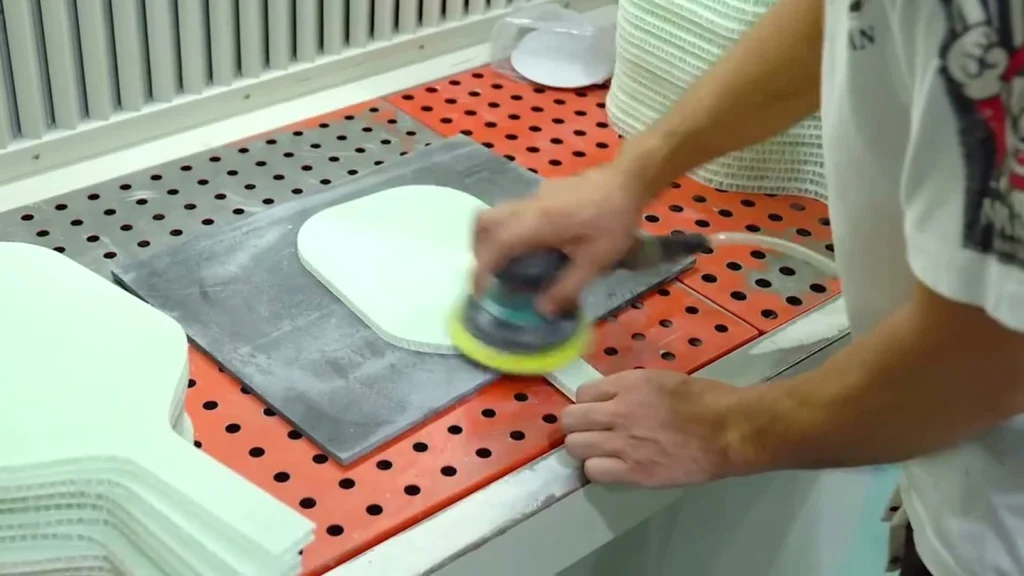
Thickness, Shape, and Handle Length Should Follow the Buyer
Many brands are tempted to start with the most popular thickness or the most discussed paddle shape. That can create a product that looks current, but not necessarily one that fits the buyer.
A control-focused SKU may need a different story than a power-focused SKU. A paddle built for newer players may need a different balance than one built for experienced players who already know what they want. A product for clubs and schools may need a wider comfort range than a product for performance-driven retail shoppers.
This is why VortexPaddle treats thickness, shape, and handle length as product-line decisions, not isolated feature choices.
A control pickleball paddles page can make sense when the product promise is comfort, stability, and placement. A power pickleball paddles page can make sense when the promise is a more direct, responsive playing feel. But if a new brand tries to combine every feature into one first SKU, the product story may become unclear.
Buyers should ask:
- Who is this paddle for?
- What will the product page promise?
- Which channel will sell it?
- What feedback should the sample prove?
- Can the same spec be repeated across future orders?
Those questions matter more than copying a popular spec list.
Weight Range Matters More Than One Perfect Sample
One of the most common SKU-planning mistakes is approving a single sample as if it represents the whole future order.
A good sample matters, but bulk production needs a realistic tolerance standard. The exact weight, balance, surface finish, edge finish, grip wrapping, and printed appearance should be controlled through an agreed inspection method, not only through one attractive prototype.
For a brand, this is the difference between a sample that feels good and a SKU that can earn repeat orders.
If the approved sample is too narrow or difficult to repeat, future batches may create complaints, returns, or inconsistent buyer feedback. A practical SKU should define a realistic weight range, visual standard, packaging standard, and inspection expectation before bulk production begins.
That is why quality control is part of SKU strategy. A paddle is not only a material and shape decision. It is also an agreement about what must stay consistent when the order moves from sampling to production.

Process Choice Should Support the Product Position
Manufacturing process is another area where “best spec” thinking can mislead buyers.
Thermoformed paddles can be strong products when they fit the target market, performance goal, and product tier. But process choice should not be treated as a universal upgrade. A process that works well for a premium or technical SKU may not be the best fit for a value line, club program, or broad wholesale product.
The same is true for cold-pressed construction, foam-enhanced structures, edgeless designs, and other product directions. Each process changes not only the playing feel, but also sample development, inspection focus, packaging protection, and how the final product should be explained to buyers.
For B2B buyers, the factory conversation should connect process to business purpose:
- Is this a premium hero SKU or a supporting SKU?
- Does the channel reward technical claims, or does it need simple and dependable purchasing?
- Will the buyer understand the process difference?
- Does the process create extra sample review or QC attention?
- Is the packaging plan strong enough for the structure?
When the process supports the product position, it can strengthen the SKU. When the process is chosen only because it sounds advanced, it can make the project more complex without making the product easier to sell.
The Channel Decides What “Best” Means
The same paddle spec can be smart in one channel and weak in another.
An Amazon seller may need a SKU with clear positioning, strong visual differentiation, stable review expectations, and packaging that supports fulfillment needs. A distributor may need a product that is easy to explain across accounts and simple to reorder. A club or school may care more about durability, comfort range, accessory bundles, and replacement planning. A retail brand may need tighter packaging, color, display, and product-line logic.
That is why a pickleball paddle manufacturer should not treat every buyer conversation the same way.
The best SKU for one brand may be:
- A carbon fiber hero paddle for a performance-focused online line.
- A fiberglass or hybrid supporting paddle for beginner sets and wholesale programs.
- A control-oriented SKU for clubs and schools.
- A power-oriented SKU for advanced retail positioning.
- A custom artwork SKU for brand campaigns, corporate gifts, or team programs.
In each case, the spec only becomes valuable when it serves a clear channel role.
Build One Hero SKU Before Expanding the Line
New brands often want too many variants too soon: multiple thicknesses, multiple shapes, multiple materials, several colorways, and different packaging options before the first real buyer feedback arrives.
That can make sampling slower and decision-making less clear. It can also create internal confusion: which SKU is the main product, which one supports it, and which variation is only a distraction?
A cleaner first launch usually starts with:
| Product-Line Role | Purpose | Example Decision Logic |
|---|---|---|
| Hero SKU | The main product the brand wants to be known for | Choose the clearest buyer promise, such as control, power, premium carbon, or custom branding |
| Supporting SKU | A second product that expands buyer fit without confusing the line | Use a different price tier, material, thickness, or channel role |
| Future SKU | A variant to test after feedback | Add only after sample review, channel response, and reorder logic are clearer |
This approach helps the brand avoid turning the first order into an unfocused catalog.
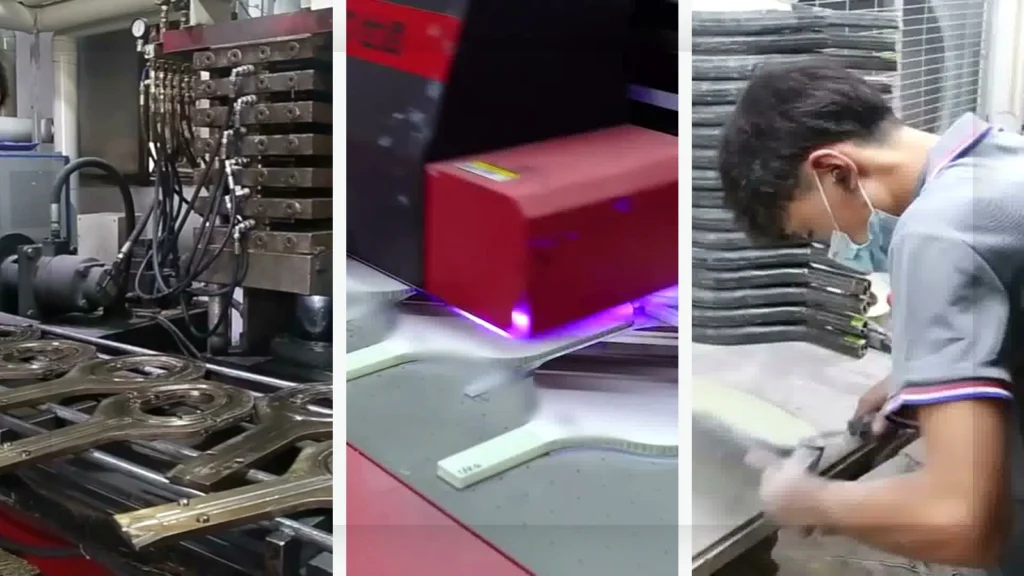
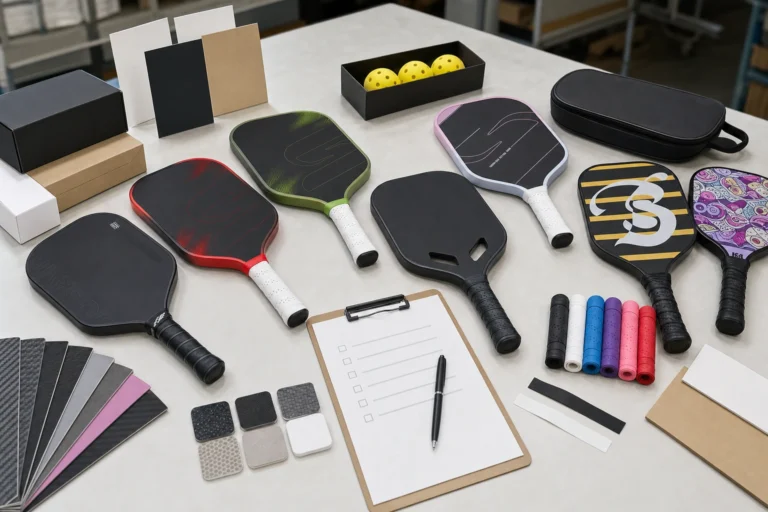
A Better Brief for Custom Paddle Sampling
Before requesting samples, buyers should prepare a brief that connects product specs to SKU strategy.
At minimum, the brief should answer:
- What customer type is this paddle for?
- Is the product for Amazon, retail, clubs, schools, distributors, or private-label wholesale?
- Should the paddle be positioned around control, power, comfort, value, premium materials, or custom branding?
- Which surface material is preferred, and why?
- Is the target SKU a hero product or a supporting product?
- What packaging format is expected?
- Are there USAPA-related development needs for eligible specifications?
- What reorder consistency matters most: weight, appearance, surface, grip, packaging, or all of them?
This gives the factory a stronger starting point than a copied spec sheet. It also makes sample feedback more useful, because every sample can be judged against the commercial role it is supposed to play.
Recommendations by Buyer Type
Brand Owners
Start with positioning. Decide what your brand wants the SKU to represent before choosing every technical detail. If the paddle is your hero product, the material, construction, artwork, packaging, and product page should all tell the same story.
Amazon Sellers
Avoid building a listing around the same feature list everyone else uses. A copied spec often creates a copied product page. Use your SKU plan to clarify the buyer promise, packaging, review expectations, and reorder standard.
Distributors and Wholesalers
Prioritize repeatability and easy explanation. A distributor-friendly SKU should be clear enough for sales teams and buyers to understand quickly, with specifications that can be maintained across future orders.
Clubs and Schools
Think in programs, not isolated paddles. A club or school buyer may need paddles, balls, bags, grips, edge protection, and a reorder plan. The best SKU may be the one that supports a complete paddle program.
Retailers
Build a product line that is easy to merchandise. If every SKU looks like a premium technical product, the line may be harder to navigate. Use hero and supporting SKUs to create a clearer shelf or online category structure.
USAPA-Ready Development Should Stay Specification-Led
Some brands need paddles developed with USAPA approval requirements in mind. This should be discussed early, before artwork, packaging, and launch claims are locked.
VortexPaddle supports paddle development for official USAPA approval requirements and assists brands through the official certification process when eligible specifications are required. Approval itself depends on formal submission and review by the relevant governing body.
For SKU planning, this means compliance-related needs should be treated as part of the specification brief, not as a late-stage marketing label.
The VortexPaddle Point of View
The best pickleball paddle spec is not a universal formula. It depends on buyer, channel, product role, production repeatability, and reorder strategy.
For one brand, the best SKU may be a premium carbon fiber pickleball paddle with a technical performance story. For another, it may be a stable fiberglass line that fits wholesale orders and starter programs. For a third, it may be a custom paddle program built around artwork, packaging, and brand differentiation.
The right factory conversation is not “Give us the best spec.” It is:
“Help us build the best SKU for our buyer, channel, and reorder plan.”
That shift makes the sample process sharper, the product line easier to manage, and the final paddle easier to sell.
Request Custom Paddle Samples
If you are planning a new paddle line, VortexPaddle can help you compare material, thickness, shape, handle, surface, process, packaging, and QC requirements before sampling.
Start with your target buyer, sales channel, product position, artwork direction, and expected SKU role. Then request custom paddle samples built around a product strategy, not only a feature list.
FAQ
What is the best pickleball paddle spec for a new brand?
There is no single best spec for every brand. A new brand should choose specifications based on target buyer, channel, product position, sample risk, QC requirements, packaging plan, and reorder consistency.
Should a brand always choose carbon fiber for a premium paddle?
Carbon fiber can support a strong premium or performance-oriented SKU, but it should still match the buyer, channel, cost position, and product story. Some wholesale or starter programs may be better served by fiberglass or another construction direction.
Is a thermoformed paddle always better than a cold-pressed paddle?
No. Thermoforming can be useful for certain premium or technical products, but process choice should match the product position, buyer expectations, sample goals, and QC needs.
Why does weight tolerance matter for bulk paddle orders?
A single sample weight does not guarantee future batch consistency. Brands should approve a realistic weight range and inspection method so bulk production can better match the approved sample standard.
How many SKUs should a brand launch first?
Many brands benefit from starting with one clear hero SKU and one supporting SKU before expanding into more variants. This keeps sampling, positioning, packaging, and reorder planning easier to control.
When should USAPA-related requirements be discussed?
USAPA-related development needs should be discussed before artwork, packaging, and launch claims are finalized. Eligible specifications, sample control, and documentation planning should be part of the early product brief.